Iran–Israel War 2026 Deep Analysis: Military Balance, Global Powers, Energy Crisis
By: Javid Amin | 20 March 2026
The War Has Crossed the Threshold: From Regional Conflict to Systemic Global Crisis
The Iran–Israel war, now deeply intertwined with United States military involvement, has evolved into a multi-dimensional conflict—military, economic, geopolitical, and systemic.
At its core, this is no longer just:
Iran vs Israel
It has become:
Iran vs a US-backed coalition — with global powers maneuvering around the edges
And the implications stretch far beyond the battlefield—into energy systems, global markets, and the future structure of world order.
Ground Reality: What the War Looks Like Right Now
Coordinated Strategic Strikes on Iran
The joint campaign by Israel and the United States is highly structured and intelligence-driven.
Key characteristics:
-
Targeting of oil storage facilities in Tehran and Alborz
-
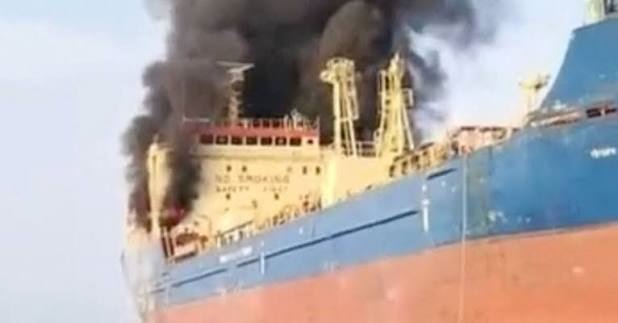
Repeated strikes on refineries and energy nodes
-
Focus on degrading:
-
IRGC operational capacity
-
missile infrastructure
-
nuclear-linked assets
-
This is not random bombardment—it is systematic degradation of Iran’s war-sustaining capability.
Iran’s Retaliation: Expanding the Battlespace
Iran is not attempting to match force with force conventionally.
Instead, it is expanding the conflict horizontally.
Retaliation pattern:
-
Missile and drone strikes on Tel Aviv and central Israel
-
Attacks on energy infrastructure in:
-
Saudi Arabia
-
Qatar
-
United Arab Emirates
-
-
Targeting LNG hubs like Ras Laffan
-
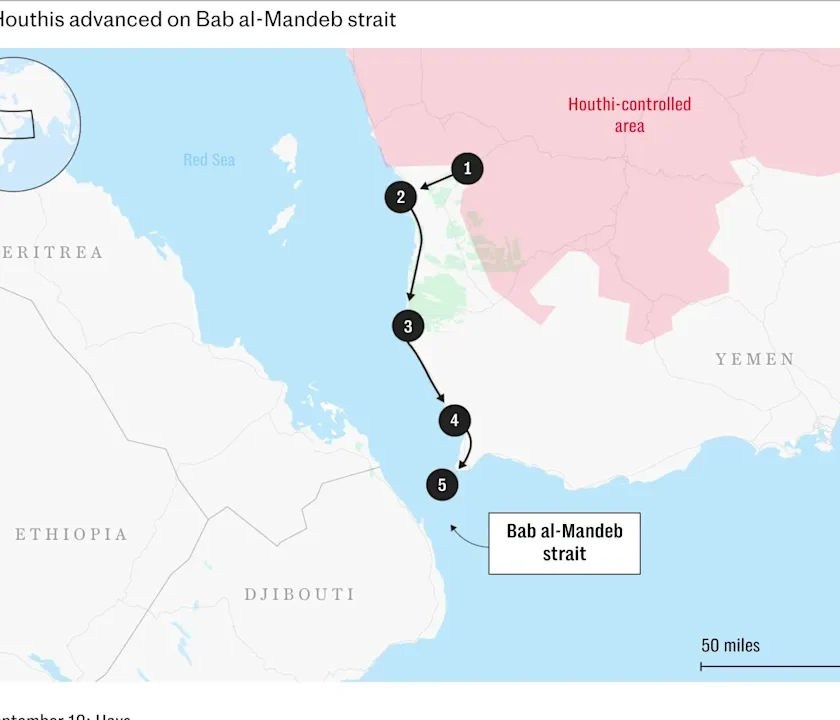
Disruption attempts in the Strait of Hormuz
This reflects a distributed escalation doctrine:
If Iran cannot dominate the battlefield, it will expand it.
The Gulf Is No Longer a Bystander
The conflict has now clearly engulfed the Gulf.
Energy infrastructure in Saudi Arabia and Qatar has been targeted, while airspace disruptions and missile interceptions are becoming routine.
These states are:
-
Not primary belligerents
-
Yet strategically central to the conflict
They represent the economic heart of the global energy system, making them high-value indirect targets.
Balance of Power: A Three-Level Assessment
1. Tactical (Battlefield Level)
Advantage: Israel–U.S.
-
Precision strikes hitting high-value targets
-
Effective missile interception systems
-
Air superiority
Iran is absorbing material and leadership losses.
2. Operational (War Execution Level)
Still favors Israel–U.S.
-
Better coordination
-
Integrated intelligence networks
-
Ability to strike repeatedly with minimal losses
Iran’s operations, while widespread, are less coordinated and more reactive.
3. Strategic (System-Level Impact)
No clear winner — Iran gaining leverage through disruption
Iran’s key achievements:
-
Destabilizing global energy markets
-
Expanding the conflict geographically
-
Increasing economic costs for all actors
This creates a critical asymmetry:
Military dominance vs systemic vulnerability
The Energy War: The Real Center of Gravity
The most decisive battleground is not military—it is energy infrastructure and supply chains.
Strait of Hormuz: Global Chokepoint Under Threat
The Strait of Hormuz is now a strategic flashpoint.
-
~25% of global oil flows pass through it
-
~20% of LNG shipments depend on it
Even partial disruption leads to:
-
Price spikes
-
Supply shortages
-
Market panic
Oil and LNG Shockwaves
Observed impacts:
-
Oil prices surging rapidly
-
LNG markets tightening due to disruptions in Qatar
-
Shipping risks escalating insurance and freight costs
Energy is now being used as a weapon of war.
Global Powers: Strategic Behavior and Hidden Agendas
🇺🇸 United States: Controlled Escalation with Strategic Limits
The United States is:
-
Leading military operations
-
Seeking to neutralize Iran’s capabilities
-
Securing maritime routes
But it faces constraints:
-
Avoiding a full-scale regional war
-
Managing domestic economic impact
-
Balancing commitments in Asia and Europe
🇨🇳 China: Strategic Patience and Energy Hedging
China is playing a long game.
Key moves:
-
Calling for ceasefire diplomatically
-
Stockpiling energy reserves
-
Increasing imports from Russia
China benefits from:
-
U.S. distraction in the Middle East
-
Opportunities to expand economic influence
🇷🇺 Russia: Opportunistic Expansion
Russia is leveraging the crisis.
-
Selling discounted oil to Asia
-
Strengthening ties with Iran
-
Positioning itself as an anti-Western counterweight
The conflict indirectly boosts Russia’s energy revenues and geopolitical relevance.
🇪🇺 European Union: Strategic Vulnerability
The European Union faces:
-
LNG shortages due to Gulf disruptions
-
Rising energy costs
-
Limited diplomatic leverage
Europe’s position highlights a key reality:
Economic exposure without military influence.
India: A High-Impact Economic Shock Zone
For India, this war is an economic stress test.
Structural Exposure
-
~85% oil import dependence
-
Heavy reliance on Gulf suppliers
-
Significant LNG imports from Qatar
Cascading Economic Effects
1. Inflation Surge
Fuel costs feed directly into:
-
transport
-
food
-
manufacturing
2. Currency Pressure
-
Rising oil import bill weakens the rupee
-
Dollar strength amplifies costs
3. Sectoral Impact
-
Transport: rising fuel and airfare
-
Agriculture: fertilizer shortages
-
Industry: energy-intensive sectors under stress
-
Households: LPG and electricity costs rising
The Human Cost: War Beyond Strategy
Across Israel, Iran, and Gulf states:
-
Civilian casualties are rising
-
Infrastructure damage is widespread
-
Psychological stress is severe
Modern war increasingly affects:
cities, not just battlefields
Future Scenarios: What Happens Next?
Scenario 1: Controlled De-escalation
-
International mediation (UN, major powers)
-
Gradual reduction in strikes
-
Energy markets stabilize
Probability: Low–Moderate
Scenario 2: Regional War Expansion
-
Hezbollah enters fully
-
Iraq and Syria become active fronts
-
Gulf states further targeted
Probability: Moderate–High
Scenario 3: Hormuz Shutdown Crisis
-
Shipping halted in the Strait of Hormuz
-
Oil > $150/barrel
-
Global recession triggered
Probability: Moderate
Scenario 4: Internal Destabilization in Iran
-
Economic collapse
-
Political unrest
-
Leadership fragmentation
Probability: Uncertain but rising
Scenario 5: Prolonged War of Attrition
-
Continuous strikes and retaliation
-
Persistent energy volatility
-
No decisive outcome
Probability: High
Strategic Conclusion: A War Without a Clean Outcome
The Iran–Israel war illustrates a defining feature of modern conflict:
Tactical victories do not translate into strategic success.
-
Israel/U.S. dominate militarily
-
Iran disrupts the system economically
-
Global actors pursue parallel agendas
Meanwhile:
-
Civilians suffer
-
Economies strain
-
Energy markets destabilize
Where the World Is Heading
The trajectory is clear:
1. Fragmented Global Order
No single power can control escalation.
2. Weaponization of Interdependence
Energy, trade, and infrastructure are now battlefield tools.
3. Persistent Instability
Conflicts will be longer, less decisive, and more interconnected.
Final Assessment
As of March 2026, the Iran–Israel war is no longer just a regional conflict.
It is:
A systemic shock to the global order
-
Militarily: controlled but intense
-
Economically: destabilizing
-
Geopolitically: transformative
The biggest takeaway:
Even if the war ends soon, its consequences will shape global politics and economics for years.