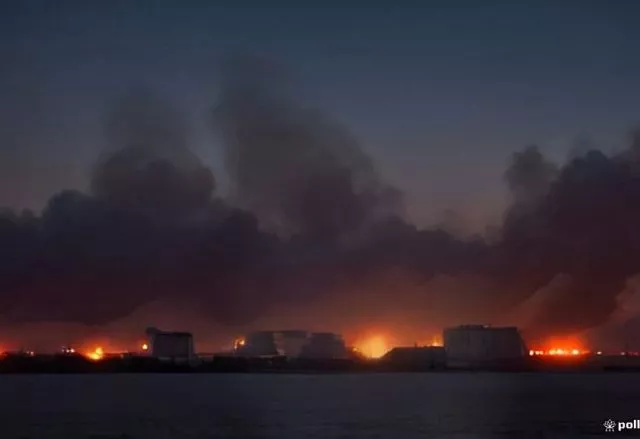
A catastrophic Bangkok oil facility explosion shook Thailand’s bustling capital on Tuesday, sending towering columns of dark smoke into the stratosphere and triggering immediate emergency protocols across the metropolitan area. The blast, which registered across multiple districts, has left residents shaken and prompted a massive deployment of fire suppression units and hazardous material specialists to the industrial sector.
Executive Briefing & Key Takeaways:
- A massive Bangkok oil facility explosion rocked the capital, triggering immediate emergency evacuations across the surrounding industrial zone.
- First responders rushed to the scene as towering plumes of black smoke billowed across the skyline, disrupting local transport and commerce.
- Authorities have cordoned off the area while hazardous material teams monitor air quality and containment measures.
- Initial assessments indicate structural damages to storage tanks, though comprehensive casualty figures remain under verification.
Ground Realities & Latest Developments
Emergency response teams descended upon the industrial site within minutes of the initial detonation. Witnesses reported a deafening roar followed by shockwaves that rattled windows blocks away from the epicenter. Local traffic has been severely restricted as municipal authorities establish safety perimeters and divert commuters away from the hazardous zone. Air quality monitors have been deployed downwind to detect potential toxic particulate matter released by burning hydrocarbons.
Historical Context & Policy Background
Industrial safety and urban zoning in Thailand’s metropolitan centers have long been subjects of intense regulatory scrutiny. Facilities handling volatile petrochemicals operate under strict national oversight frameworks managed by the Ministry of Energy and industrial safety boards. Tuesday’s incident brings renewed public attention to compliance audits, aging infrastructure, and the proximity of heavy industrial processing plants to densely populated residential neighborhoods.
Voices from the Valley: Community & Expert Perspectives
Local residents expressed profound anxiety as sirens echoed through the streets throughout the morning. Community leaders are demanding immediate transparency regarding the cause of the disaster and stricter enforcement of safety buffers around critical energy infrastructure.
The sheer force of the blast was unlike anything we have experienced in years. Our primary focus right now is ensuring community safety and supporting the tireless emergency crews.
Data Breakdown & Key Metrics
Incident Response Metrics:
- Emergency Units Dispatched: 45+ specialized vehicles
- Evacuation Radius: 3-kilometer perimeter established
- Air Quality Status: Continuous monitoring active
Strategic Ramifications & The Road Ahead
As cooling operations continue, state regulators face mounting pressure to initiate a comprehensive inquiry into the root causes of the explosion. Supply chain analysts are also evaluating potential short-term disruptions to regional fuel distribution networks. The findings from this investigation are expected to shape upcoming legislative amendments concerning industrial plant safety standards across Southeast Asia.
Frequently Asked Questions (FAQ)
What caused the Bangkok oil facility explosion?
Official investigations are ongoing. Preliminary assessments by safety inspectors are underway, with detailed technical findings expected in the coming days.
Are there any evacuations in place near the site?
Yes, local authorities have established a strict safety perimeter and evacuated residents within a three-kilometer radius of the affected facility.
How is air quality being managed following the blast?
Environmental protection teams have deployed mobile air monitoring units around the perimeters to track smoke dispersion and protect public health.