PM Modi Urges Ministers to Focus on Ease of Living, Next-Generation Governance Reforms
By: Javid Amin | 21 May 22026
Prime Minister Tells Council of Ministers to Focus on Ease of Living, Citizen-Centric Delivery and Long-Term Structural Change
Narendra Modi has once again sharpened the Centre’s governance narrative around a simple but politically powerful idea: government policies must ultimately translate into “comfort in people’s lives.”
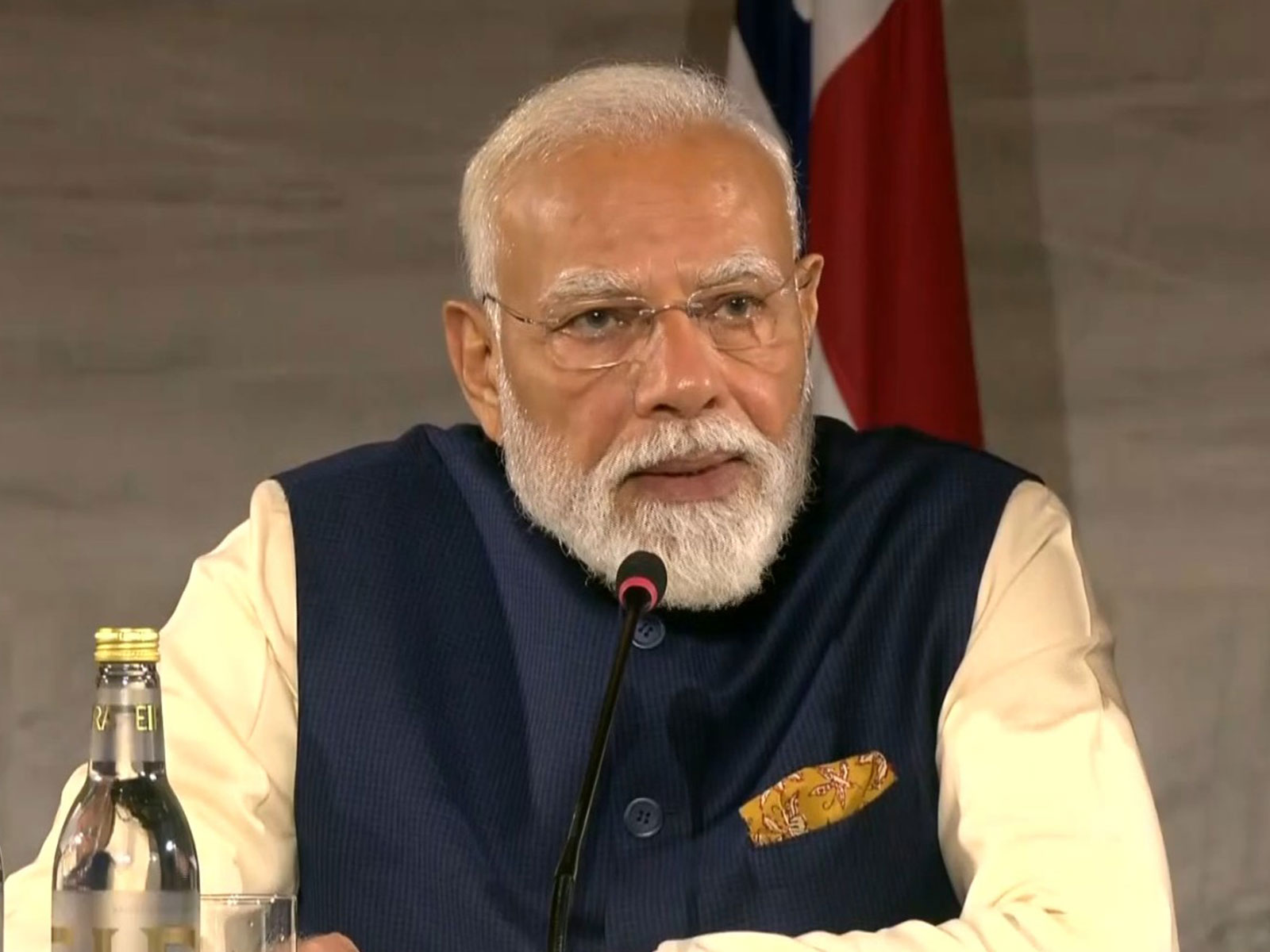
Addressing the Council of Ministers (CoM), the Prime Minister reportedly urged ministers to prioritize next-generation reforms that directly improve everyday living conditions for citizens rather than merely expanding bureaucratic frameworks or administrative announcements.
At the core of his message was a repeated emphasis on “ease of living” — a governance philosophy that seeks to reduce friction between citizens and the state by simplifying systems, accelerating service delivery, and making governance more responsive, accessible, and outcome-oriented.
The directive reflects a broader shift in India’s administrative and political discourse: from policy creation to policy experience.
Governance Beyond Paperwork
PM Modi Signals Shift From Announcements to Everyday Impact
Instead, he reportedly reminded ministers that governance must be evaluated by a more practical benchmark:
- Are people’s daily struggles being reduced?
- Are systems becoming simpler?
- Are services reaching citizens efficiently?
- Is the state becoming more accessible and humane?
The Prime Minister’s remarks align with his long-running governance messaging around:
- Minimum government, maximum governance
- Digital transformation
- Administrative efficiency
- Direct benefit delivery
- Citizen-first service models
However, this latest articulation places stronger emotional and social emphasis on comfort, convenience, and quality of life rather than only efficiency metrics.
“Ease of Living” as a Political and Administrative Doctrine
Citizen Experience Becoming Central to Reform
The phrase “ease of living” has increasingly emerged as a central governance concept under the Modi government.
Unlike “ease of doing business,” which focuses primarily on industry and investment ecosystems, ease of living targets the everyday experiences of ordinary citizens.
Areas Linked to Ease of Living
- Public transport
- Healthcare access
- Education systems
- Digital governance
- Utility services
- Housing and urban planning
- Welfare delivery
- Pension and banking access
- Documentation and public records
The larger objective is to reduce bureaucratic friction and make interactions with government systems faster, simpler, and less stressful.
Political analysts say this framework attempts to reposition governance as a service model rather than a control mechanism.
In such a model, citizens are treated not merely as beneficiaries of state welfare, but as stakeholders whose comfort and convenience become indicators of policy success.
Next-Generation Reforms: Preparing India for the Future
Structural Changes With Long-Term Vision
These reforms are expected to focus on:
- Technological integration
- Institutional modernization
- Digital governance expansion
- Infrastructure efficiency
- Sustainable urban systems
- Future-ready public services
The idea behind next-generation reforms is that governance systems must evolve alongside changing demographics, urbanization, technological expectations, and economic aspirations.
Officials say the Prime Minister urged ministers to think beyond short-term administrative management and focus instead on building systems that remain effective for future generations.
Accountability in Delivery
“Comfort” Must Be Visible, Not Symbolic
A key aspect of the Prime Minister’s message was the stress on visible outcomes.
According to sources, PM Modi reminded ministers that governance credibility depends not on the scale of announcements but on how citizens experience change in their everyday lives.
This includes measurable improvements such as:
- Faster public services
- Reduced paperwork
- Better road and transport connectivity
- Efficient hospitals and schools
- Reliable digital platforms
- Quicker grievance redressal
- Transparent welfare delivery
The emphasis reflects a growing political understanding that citizens increasingly judge governments through direct service experiences rather than ideological narratives alone.
In modern governance, inconvenience itself is increasingly viewed as a governance failure.
A Shift in Administrative Culture?
From Bureaucratic Control to Responsive Governance
Traditionally, governance structures in India have often been criticized for:
- Excessive bureaucracy
- Slow approvals
- Complicated procedures
- Fragmented service systems
- Limited accountability
The “comfort in people’s lives” framework attempts to reverse that image by promoting:
- Empathy in administration
- Citizen-centric policy design
- Faster implementation
- Technological integration
- Administrative responsiveness
Supporters argue that such an approach could make governance more humane and efficient.
Critics, however, note that translating high-level directives into consistent ground-level reform remains a major challenge in a vast and diverse country like India.
Why the Messaging Matters Politically
Governance as Experience, Not Ideology Alone
The political significance of PM Modi’s message lies in its strategic reframing of governance.
Rather than presenting reform only through macroeconomic indicators or infrastructure statistics, the focus shifts toward personal experience:
- Can citizens access services easily?
- Are systems reducing stress?
- Is governance making daily life smoother?
This approach allows governance to be understood not as an abstract state function, but as something people feel in:
- Commute times
- Hospital queues
- Online applications
- Utility access
- Financial transactions
- Educational opportunities
Analysts say this “lived governance” narrative has become increasingly important in modern democracies where voter expectations are closely tied to service quality and administrative responsiveness.
The Larger Governance Vision
Reform as Legacy
At a deeper level, the Prime Minister’s remarks also reflect an attempt to define governance legacy not only through infrastructure or economic growth, but through everyday citizen experience.
The idea suggests that lasting political legitimacy comes when reforms become embedded in ordinary life:
- Simpler systems
- Faster services
- Reduced hardship
- Greater accessibility
- Better state responsiveness
If implemented effectively, such a framework could contribute to a long-term transformation in how governance is perceived in India — from a distant administrative structure to a citizen-facing service ecosystem.
Conclusion
PM Modi’s directive to the Council of Ministers signals a clear governance message: reforms must move beyond paperwork and become visible in the everyday lives of citizens.
By emphasizing “comfort in people’s lives” and “ease of living,” the Prime Minister is pushing ministers to focus on practical outcomes, administrative empathy, and long-term structural transformation.
The broader vision reflects a governance philosophy where success is measured not merely by policy announcements, but by how effectively the state reduces friction, improves convenience, and enhances the quality of daily life for ordinary people.
Whether this vision translates into sustained institutional change will ultimately depend on implementation at the ground level — where governance is experienced most directly.