Ladakh New Districts 2026: Nubra, Sham, Changthang, Zanskar, Drass Created Before Amit Shah Visit
By: Javid Amin | 27 April 2026
A Historic Administrative Shift in Ladakh
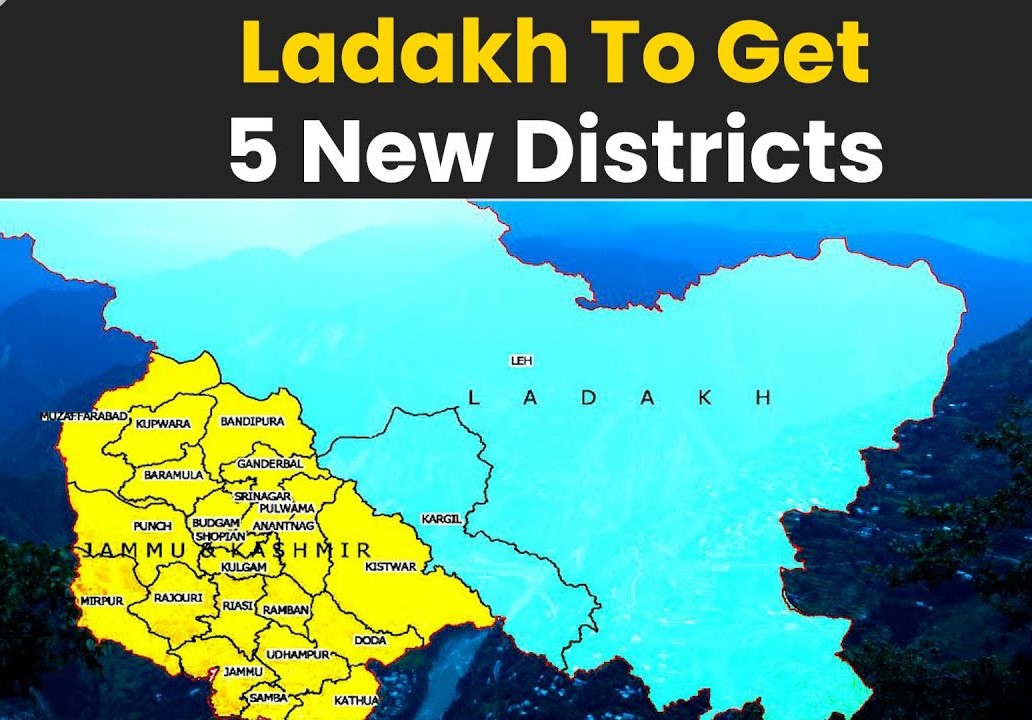
In a significant governance overhaul, Ladakh has been officially reorganized into seven districts, with the creation of five new administrative units—Nubra, Sham, Changthang, Zanskar, and Drass.
The announcement, made on April 27, 2026, by Lieutenant Governor Vinai Kumar Saxena, comes just days before Union Home Minister Amit Shah is scheduled to visit the region on April 30.
Originally approved by the Ministry of Home Affairs in August 2024, the move is being described by officials as a “historic day” aimed at bringing governance closer to people in one of India’s most remote and geographically challenging regions.
What Has Changed: From 2 to 7 Districts
New Administrative Structure
- Total districts: 7 (earlier 2)
- Existing districts: Leh, Kargil
- New districts: Nubra, Sham, Changthang, Zanskar, Drass
Headquarters of New Districts
- Nubra: Diskit
- Sham: Khaltse
- Changthang: Nyoma
- Zanskar: Padum
- Drass: Drass–Ranbirpura
How the Map Has Been Redrawn
The reorganization splits Ladakh’s two original districts into smaller, more manageable units:
From Leh District
- Nubra
- Sham
- Changthang
From Kargil District
- Zanskar
- Drass
Revenue Village Distribution
- Leh: 44
- Nubra: 30
- Changthang: 24
- Kargil: 80
- Sham: 27
- Zanskar: 26
- Drass: 19
This redistribution aims to streamline administration across Ladakh’s vast and sparsely populated terrain.
Why This Move Matters
1. Governance Comes Closer
Ladakh spans over 86,000 sq km, making it India’s largest Union Territory by area. For many residents, accessing basic services often meant traveling for hours—or even days.
Smaller districts are expected to:
- Reduce administrative distance
- Improve access to government offices
- Enable faster grievance redressal
2. Development Push in Remote Regions
Officials believe the move will unlock:
- Infrastructure development (roads, healthcare, education)
- Local employment opportunities
- Tourism and entrepreneurship potential in areas like Nubra and Zanskar
3. Political and Strategic Significance
The timing—just before Amit Shah’s visit—is not incidental.
The reorganization is widely seen as:
- A confidence-building measure
- An effort to strengthen Centre–Ladakh engagement
- A step toward addressing long-standing demands for better representation and governance
It also aligns with the broader vision of Narendra Modi to transform Ladakh into a developed and strategically robust region.
Context: Why Ladakh Needed This Reform
Since becoming a Union Territory after the Abrogation of Article 370, Ladakh has faced unique administrative challenges:
- Sparse population: ~2.74 lakh
- Extreme terrain: High-altitude deserts, limited connectivity
- Administrative gaps: Centralized governance often struggled to reach remote villages
The creation of new districts is an attempt to decentralize governance and make administration more responsive.
Opportunities and Challenges Ahead
Opportunities
- Faster delivery of public services
- Greater local participation in governance
- Boost to regional economies
Challenges
- Setting up administrative infrastructure in remote areas
- Staffing and resource allocation
- Ensuring that reorganization translates into real, on-ground benefits
Without effective implementation, the reform risks remaining symbolic.
What to Watch Next
- Administrative rollout and staffing in new districts
- Budget allocations for infrastructure and services
- Public response from Leh and Kargil regions
- Outcomes of Amit Shah’s visit and future policy announcements
Conclusion: A Structural Shift with Strategic Weight
The creation of five new districts—Nubra, Sham, Changthang, Zanskar, and Drass—marks one of the most consequential governance reforms in Ladakh since 2019.
On paper, it promises better access, faster services, and local empowerment. Politically, it signals a renewed push by the Centre to strengthen its administrative footprint in the region.
Whether this becomes a turning point or remains a symbolic gesture will depend on one factor: execution on the ground.