Liquor Ban Debate in Kashmir Rekindled: Culture, Faith, and Policy at Crossroads
By: Javid Amin | 02 April 2026
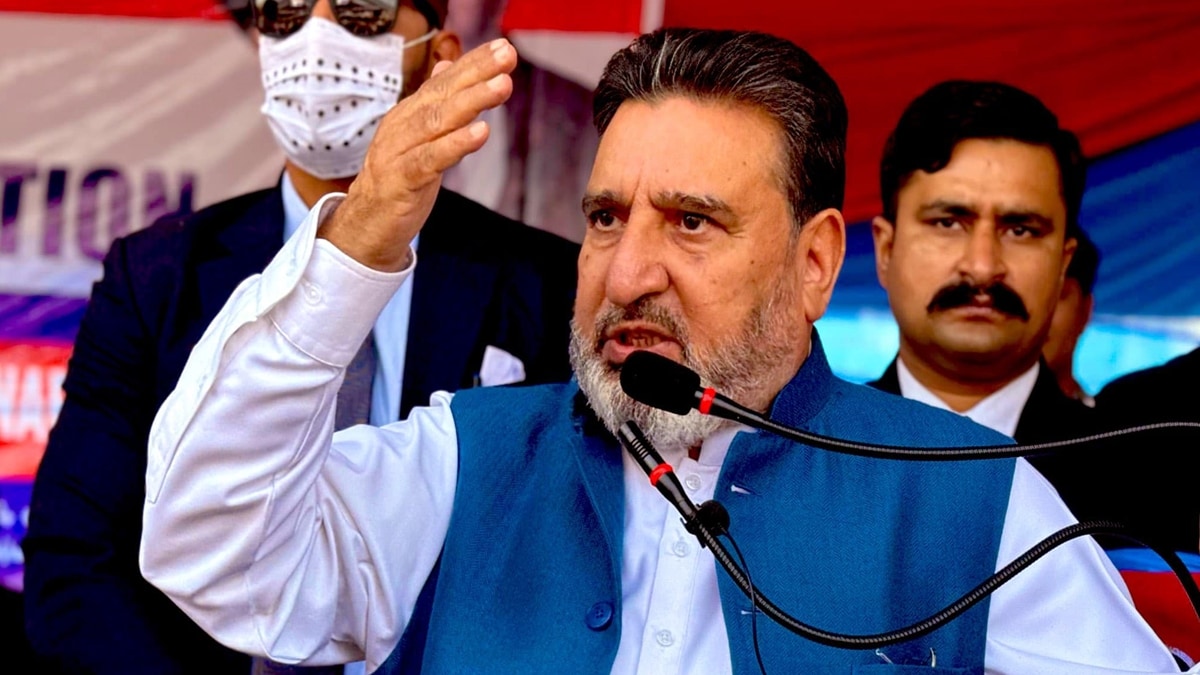
A fresh political debate has taken shape in Srinagar after Syed Mohammad Altaf Bukhari called for a blanket ban on liquor in Jammu and Kashmir, drawing comparisons with Gujarat—India’s longest-standing prohibition state.
His remarks, delivered on April 2, 2026, have reignited a long-standing and sensitive conversation—one that sits at the intersection of law, culture, religion, economy, and identity.
Political Statement: A Call for Clarity and Consistency
Speaking to reporters, Bukhari questioned the current policy framework and urged the administration to adopt a clear stance:
“There should be a ban on liquor. Other states such as Gujarat have implemented restrictions — why not Kashmir?”
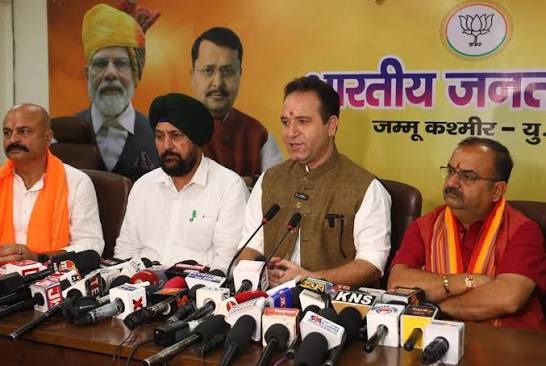
He also criticized the Jammu & Kashmir National Conference for what he termed a “shifting stand,” suggesting that political inconsistency has delayed decisive policymaking.
Cultural and Religious Context: Why the Issue Resonates Deeply
1. Islamic Perspective on Alcohol
In a region where the majority population follows Islam, the debate carries strong religious undertones.
Islam explicitly prohibits the consumption of alcohol, categorizing intoxicants as harmful to both individual well-being and social order. The concept of “khamr” (intoxicants) is discouraged due to its association with:
- Loss of self-control
- Social discord
- Moral and spiritual decline
For many in Kashmir, this prohibition is not merely theological—it is embedded in everyday cultural ethics.
2. Kashmir’s Cultural Ethos: Tradition Meets Modernity
Kashmir’s traditional society has historically emphasized:
- Simplicity in lifestyle
- Strong family structures
- Community accountability
Alcohol consumption, while legally permitted under regulation, has often been viewed as:
- Socially discouraged
- Culturally inconsistent with local values
This creates a moral tension between:
- Legal permissibility
- Cultural acceptability
3. Religious Leadership and Public Sentiment
Local religious scholars and community leaders have, over the years, periodically called for stricter controls or bans, arguing that:
- Alcohol contributes to rising social issues
- It affects youth behavior and family stability
- It contradicts the moral fabric of Kashmiri society
Such perspectives amplify public support for prohibition—especially in rural and conservative segments.
India’s Prohibition Models: A Comparative Lens
Bukhari’s reference to Gujarat brings attention to existing prohibition frameworks.
Key Comparisons:
| Region | Policy | Ground Reality |
|---|---|---|
| Gujarat | Complete prohibition since 1960 | Strict enforcement, limited exceptions |
| Bihar | Total ban since 2016 | Enforcement challenges, black market concerns |
| Mizoram & Nagaland | Prohibition laws | Periodic relaxations |
| Lakshadweep | Near-total ban | Limited tourism exceptions |
| Jammu & Kashmir | Regulated sale | Ongoing debate |
Divided Opinions: Society Weighs In
Supporters: Culture and Morality First
Those backing a ban argue:
- It aligns with religious teachings and local values
- It can reduce substance abuse and related crimes
- It strengthens family and community structures
For them, prohibition is not just policy—it is cultural preservation.
Critics: Practical Challenges and Economic Risks
Opponents raise concerns about:
- Loss of revenue from liquor taxation
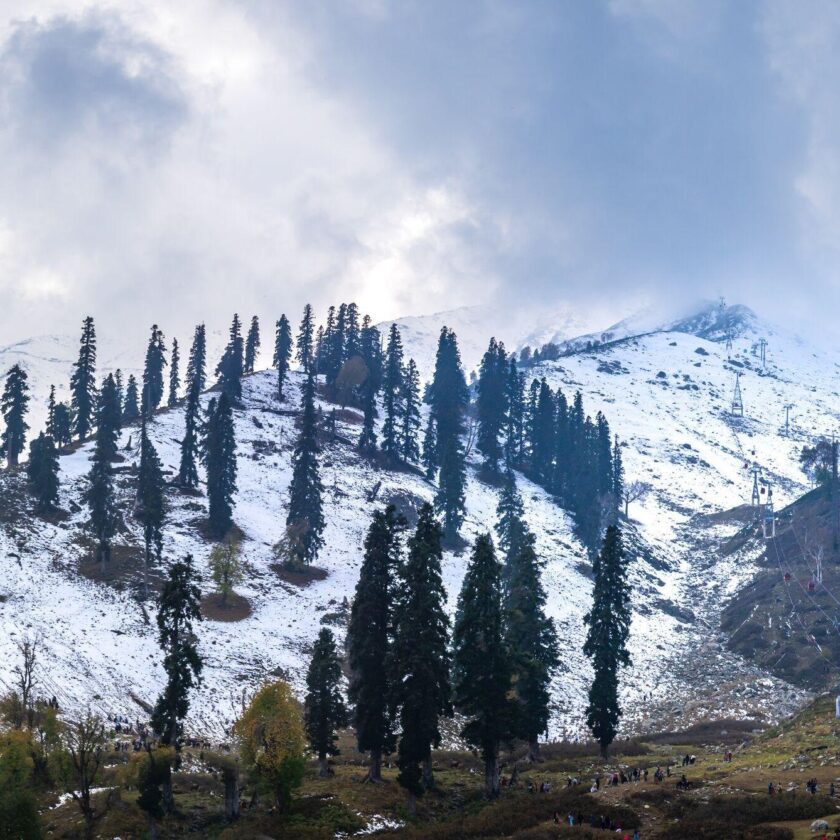
- Impact on tourism hubs like Gulmarg and Pahalgam
- Emergence of illegal alcohol markets
- Enforcement difficulties
They argue that regulation, not prohibition, may be a more pragmatic approach.
Economic and Tourism Dimensions
Revenue Considerations
Liquor sales contribute to government income through:
- Excise duties
- Licensing fees
A ban would require alternative revenue mechanisms, particularly important for a developing regional economy.
Tourism Sensitivity
Kashmir’s tourism sector caters to:
- Domestic travelers
- International visitors
- Premium hospitality segments
Some stakeholders suggest:
- Zonal exemptions in tourist circuits
- Controlled access within licensed hotels
This reflects an attempt to balance cultural values with economic realities.
Public Health Perspective: Between Prevention and Risk
Potential Benefits of a Ban
- Reduced alcohol dependency
- Lower incidence of alcohol-related violence
- Improved public health outcomes
Risks Observed Elsewhere
Evidence from other states shows:
- Rise in illicit liquor trade
- Health hazards from unsafe alcohol
- Increased policing burden
This highlights the need for comprehensive implementation strategies, not just legislative decisions.
The Larger Question: Identity vs Administration
At its core, the debate is about more than alcohol.
It reflects a broader question:
Should policy in Jammu & Kashmir be shaped primarily by cultural-religious identity, or by economic and administrative pragmatism?
The answer is not binary. It lies in careful balancing.
Key Insight: A Complex Policy Decision Ahead
Syed Mohammad Altaf Bukhari’s statement has done more than propose a ban—it has:
- Reopened a sensitive societal debate
- Highlighted ideological divides
- Forced policymakers to confront difficult trade-offs
Final Word: Beyond Politics, A Societal Reflection
For Kashmir, this is not just about liquor laws.
It is about:
- Cultural identity
- Religious values
- Youth well-being
- Economic sustainability
Any decision—whether toward prohibition or regulation—will shape not just policy, but the social fabric of the region.