No Fuel Shortage in Kashmir: Omar Abdullah Urges Calm Amid Panic Buying Rumours
By: Javid Amin | 26 March 2026
A Timely Intervention to Prevent Panic in Kashmir
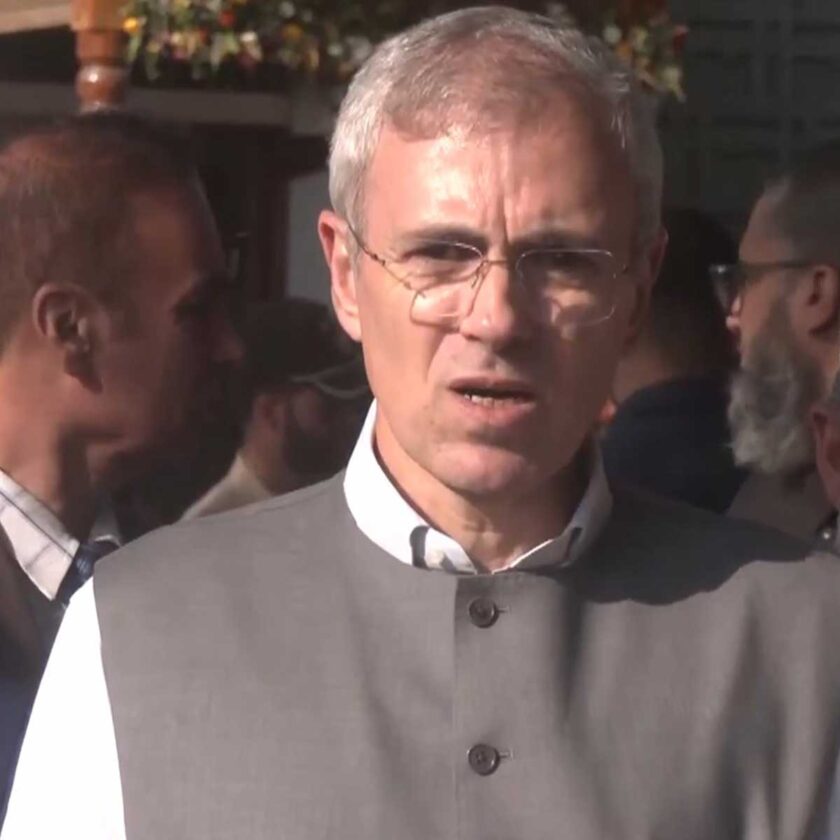
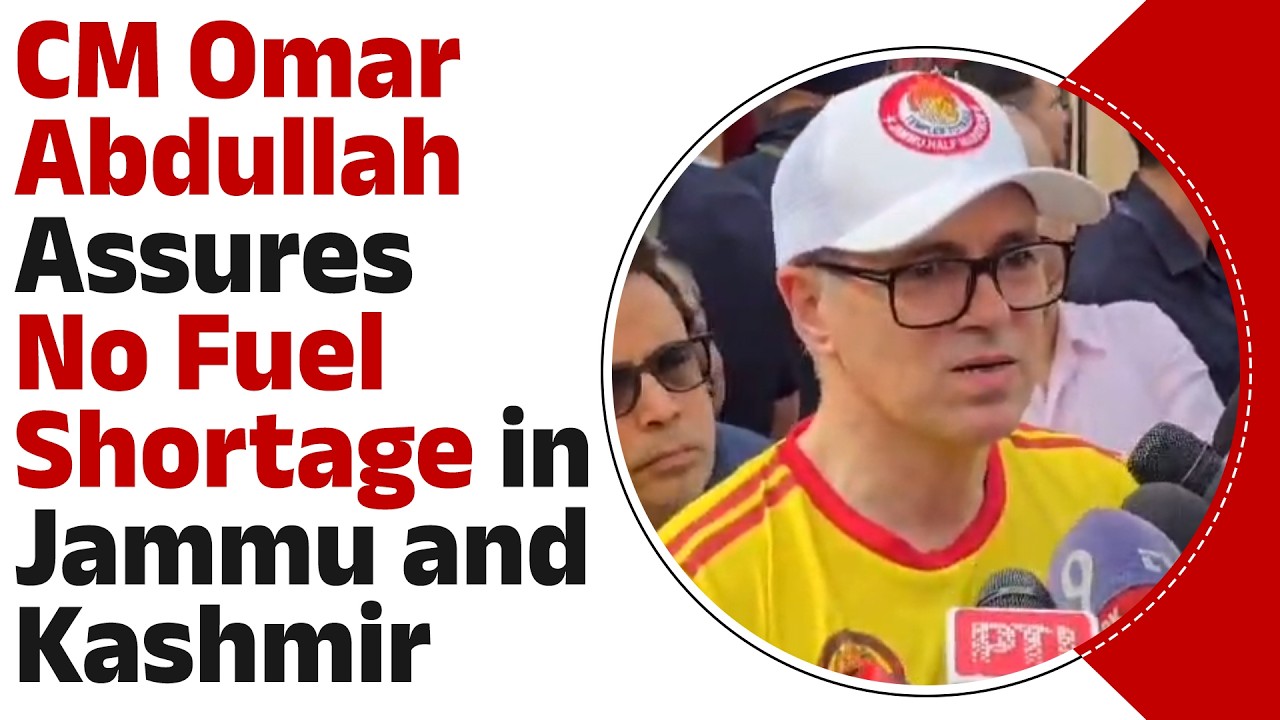
In a swift move to counter growing anxiety among residents, Omar Abdullah has reassured the public that there is no shortage of fuel across Jammu & Kashmir, urging people not to fall prey to rumours circulating on social media.
The statement comes after scenes of panic buying were reported in Srinagar and several other districts, where long queues formed outside petrol pumps amid speculation of an impending supply crunch.
What Triggered the Panic?
Over the past 24 hours, unverified claims on social media suggested a looming fuel shortage in the Valley. These rumours quickly escalated into real-world consequences:
- Long queues at petrol pumps
- Bulk purchases by anxious consumers
- Localised supply pressure despite adequate stock
In fragile supply ecosystems like Kashmir—where logistics are often weather-sensitive—such reactions can rapidly amplify perceived crises.
Government’s Response: Clear and Direct
CM’s Assurance
Omar Abdullah addressed the situation firmly:
- No shortage of fuel has been reported
- Supply chains are functioning normally
- Oil companies are maintaining regular distribution
He emphasized that panic buying itself could create artificial scarcity, turning rumours into reality.
Administrative Measures
Authorities across Jammu & Kashmir have stepped up coordination:
- Continuous monitoring of fuel stocks
- Real-time communication with oil marketing companies
- Instructions to petrol pump operators to prevent hoarding
This proactive approach reflects a governance model focused on early intervention and narrative control.
The Real Risk: Artificial Scarcity
How Panic Buying Disrupts Supply
Even when supplies are sufficient, sudden spikes in demand can:
- Empty local inventories quickly
- Disrupt scheduled replenishment cycles
- Create visible shortages at retail points
This phenomenon is not unique to Kashmir—it has been observed globally during crises, from pandemics to geopolitical tensions.
Supply Chain Dynamics in Kashmir
Kashmir’s fuel supply chain is particularly sensitive due to:
- Mountainous terrain
- Weather disruptions (snowfall, landslides)
- Dependence on road-based logistics
This makes public behavior a critical variable in maintaining equilibrium.
Economic & Social Implications
1. Price Stability
Unchecked panic buying can lead to:
- Informal price hikes
- Black marketing
- Increased transportation costs
By calming public sentiment, the government aims to prevent inflationary ripple effects.
2. Public Confidence
Clear messaging helps:
- Restore trust in administration
- Reduce anxiety-driven behavior
- Maintain normalcy in daily life
In regions like Kashmir, where uncertainty can escalate quickly, confidence is as important as supply.
3. Business Continuity
Reliable fuel availability is essential for:
- Public transport
- Goods movement
- Tourism operations
Avoiding disruption ensures that economic activity remains stable.
Governance Lens: Managing Rumours in the Digital Age
This episode highlights a classic governance challenge—rumour management in the era of instant information.
Key Elements of Effective Response:
1. Speed
Rapid response prevents misinformation from gaining traction.
2. Clarity
Simple, direct communication reduces ambiguity.
3. Authority
Statements from top leadership carry credibility.
4. Coordination
Alignment between government agencies and private stakeholders ensures consistency.
Broader Context: Why Rumours Spread Fast
In today’s hyper-connected environment:
- Social media amplifies unverified claims
- Visual cues (queues, empty pumps) reinforce panic
- Lack of immediate official clarification creates information gaps
This creates a feedback loop where perception drives behavior, and behavior reinforces perception.
What Happens Next?
Given the current situation:
- Fuel supply is expected to remain stable
- Authorities will likely continue monitoring retail-level demand
- Further advisories may be issued if needed
The key variable remains public response—whether citizens heed the call for restraint.
Expert Take: A Test of Public Discipline
From a socio-economic perspective, this incident is less about fuel and more about collective behavior under uncertainty.
Key Insight:
In supply-sensitive regions, panic is often more disruptive than actual scarcity.
The administration’s response reflects an understanding that:
- Managing perception is as critical as managing resources
- Public cooperation is essential for system stability
Final Word
The reassurance by Omar Abdullah comes at a crucial moment, helping to defuse tension and restore order.
There is no fuel shortage in Jammu & Kashmir—but there is a clear reminder:
Responsible consumption and trust in verified information are vital to keeping essential systems running smoothly.
In the end, stability in such situations depends not just on supply chains—but on public awareness and restraint.