Eid-ul-Fitr 2026 in Kashmir: Moon Sighting Confirms March 21 Celebrations Amid Snowfall & Festive Spirit
By: Javid Amin | 20 March 2026
A Snow-Kissed Eid: Kashmir Prepares for Eid-ul-Fitr 2026 Celebrations
The crescent moon has been sighted, and with it comes the joyous announcement: Eid-ul-Fitr 2026 will be celebrated across Jammu & Kashmir on Saturday, March 21. The sighting marks the end of the holy month of Ramadan, a period of fasting, reflection, and deep spiritual connection for Muslims across the Valley.
This year, Eid arrives with a rare and enchanting winter touch—fresh snowfall has blanketed the upper reaches of Gulmarg and Sonamarg, while the plains, including Srinagar, have witnessed intermittent rainfall and a lingering chill. The result is a uniquely atmospheric Eid, where faith meets frost, and festivity blends with nature’s serene beauty.
Moon Sighting Confirms Eid Date in Kashmir
The official confirmation came on Friday evening after credible reports of the crescent sighting were received from multiple locations. Religious authorities and local committees verified the sightings, aligning Kashmir’s Eid celebration with several regions across the subcontinent.
The announcement triggered a wave of excitement across the Valley. Markets, already bustling in the final days of Ramadan, witnessed a surge in last-minute shopping, with families preparing for one of the most significant festivals in the Islamic calendar.
Spiritual Significance: The Essence of Eid-ul-Fitr
Eid-ul-Fitr, often referred to as the “Festival of Breaking the Fast,” marks the culmination of Ramadan—a sacred month dedicated to fasting (Sawm), prayer (Salah), and self-discipline.
A Month of Reflection Ends in Celebration
For 29 or 30 days, Muslims abstain from food and drink from dawn to dusk, focusing on spiritual growth, empathy for the less fortunate, and strengthening their relationship with Allah. Eid serves as both a reward and a renewal—a moment of gratitude and joy.
Zakat al-Fitr: Ensuring Inclusive Celebration
A defining aspect of Eid is Zakat al-Fitr, a mandatory charitable contribution given before Eid prayers. This ensures that even the most underprivileged members of society can partake in the festivities.
Across Kashmir, local mosques and community organizations have actively facilitated collections and distributions, reflecting the Valley’s enduring tradition of compassion and social solidarity.
Grand Congregations at Shrines & Mosques
One of the most iconic aspects of Eid in Kashmir is the gathering of thousands for special morning prayers (Eid Namaz).
Major Prayer Sites
-
Hazratbal Shrine
-
Historic mosques across Srinagar and district headquarters
-
Local neighborhood mosques across towns and villages
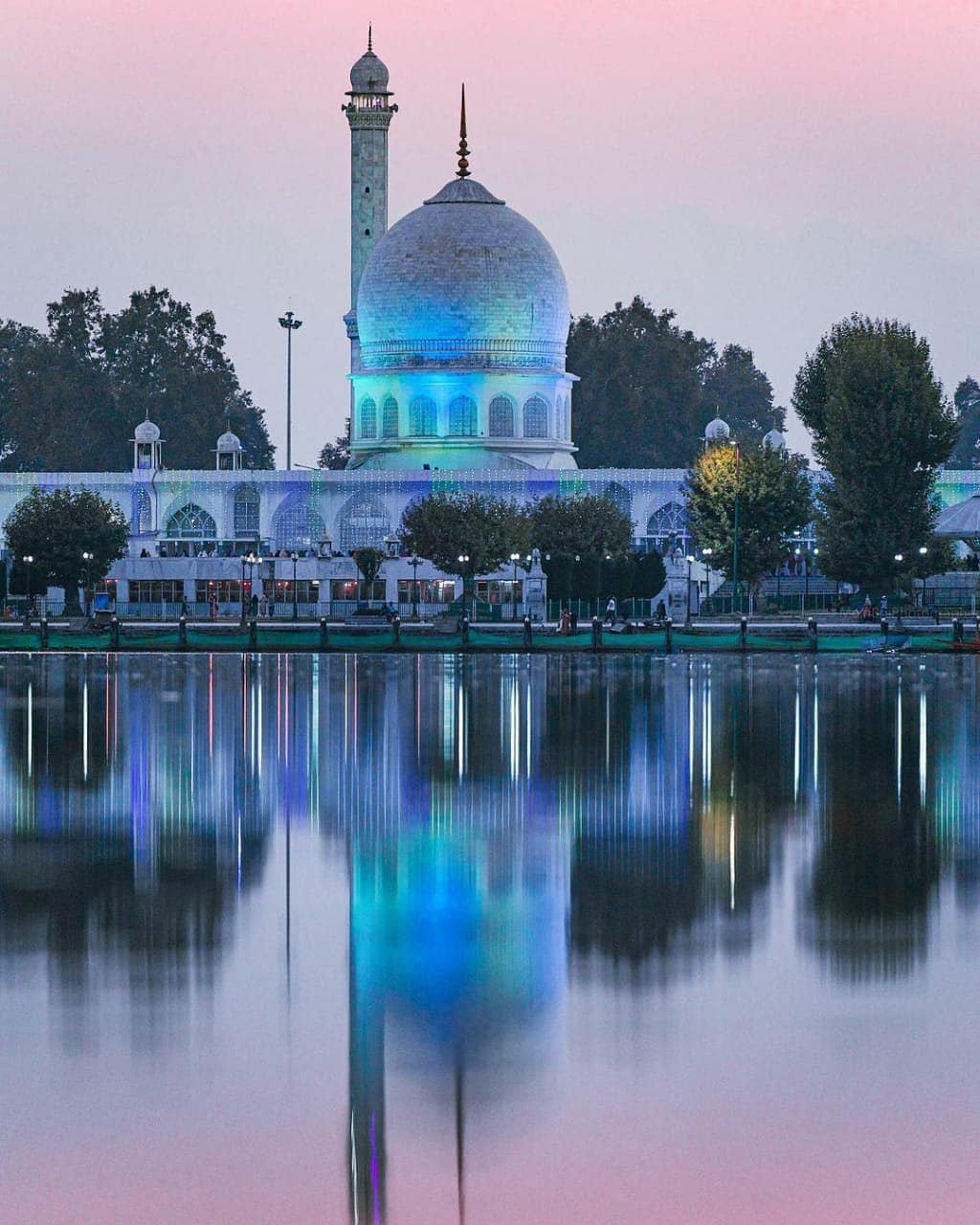
The Hazratbal Shrine, located on the banks of Dal Lake, traditionally hosts one of the largest congregations. Worshippers dressed in pristine attire assemble in the early morning, filling the air with Takbeer (chants glorifying God).
The sermons emphasize:
-
Unity and brotherhood
-
Gratitude after Ramadan
-
The importance of charity and humility