Winter Strikes Back: Fresh Snowfall and Rain Revive Chill Across Kashmir Valley
By: Javid Amin | 19 March 2026
A sudden return of snow and rain brings relief, disruption, and renewed beauty to the Himalayas
Just when Kashmir was preparing to transition into spring, winter has made a dramatic comeback.
A fresh spell of snowfall and rain has swept across the Valley, covering higher reaches in white and drenching the plains. From the snow-laden slopes of Gulmarg to the alpine beauty of Sonamarg and the scenic valleys of Pahalgam, the region has once again slipped into a wintry embrace.
In Srinagar, intermittent rainfall has added to the chill, pulling temperatures down and reminding residents that winter in the Himalayas rarely leaves without a final encore.
Fresh Snow Blankets Higher Reaches
Tourist hotspots transform into winter wonderlands again
The latest weather system has delivered fresh snowfall across several high-altitude areas, reviving the classic winter landscape that Kashmir is famous for.
Key snowfall zones:
-
Gulmarg: Received a fresh layer of powder snow, ideal for skiing and snowboarding
-
Sonamarg: Alpine meadows and roadsides covered in white, enhancing its postcard beauty
-
Pahalgam: Pine forests and surrounding hills dusted with fresh snow
This late-season snowfall is particularly significant after February 2026’s historic dry spell, which had left many slopes unusually bare and raised concerns among tourism stakeholders.
Now, with snow returning, the region’s iconic winter charm is back in full display.
Rainfall in Plains Intensifies Cold Conditions
Srinagar and surrounding areas experience intermittent showers
While higher reaches witnessed snowfall, lower areas including Srinagar saw light to moderate rainfall.
These showers have:
-
Increased humidity levels
-
Reduced daytime temperatures
-
Intensified the cold wave conditions
Rainfall during this transitional phase often feels colder than snowfall due to damp air and wind chill, making conditions harsher for residents.
Sharp Temperature Drop Across the Valley
Daytime warmth disappears, nights turn biting cold again
The combined effect of snowfall and rainfall has led to a noticeable temperature decline across Jammu and Kashmir.
Observed changes:
-
Day temperatures dropped significantly below seasonal averages
-
Night temperatures dipped closer to freezing in several areas
-
Cold wave conditions re-emerged, especially in rural and mountainous regions
For residents who had begun to experience early spring warmth, the sudden shift has brought back winter routines—heating systems, heavy clothing, and limited outdoor activity.
Impact on Daily Life and Connectivity
Snowfall brings both disruption and opportunity
Travel disruptions likely
Fresh snowfall in higher reaches may affect key transport routes, including:
-
Srinagar–Leh highway
-
Mughal Road
Snow accumulation and slippery conditions can lead to:
-
temporary road closures
-
traffic delays
-
increased risk of accidents
Authorities often deploy snow clearance teams, but accessibility remains weather-dependent.
Daily life challenges intensify
For many residents, especially in rural areas, the weather shift brings immediate hardships:
-
Farmers face delays in field preparation for the upcoming season
-
Daily wage workers struggle due to reduced outdoor work opportunities
-
Households experience higher heating needs, increasing fuel consumption
The return of cold conditions also impacts vulnerable populations, particularly in areas with limited heating infrastructure.
Tourism Gets a Fresh Boost
Snow revival attracts visitors back to Gulmarg and beyond
While the weather poses challenges for locals, it brings a significant upside for tourism.
Destinations like Gulmarg and Sonamarg are witnessing renewed tourist interest as fresh snowfall enhances their appeal.
Key tourism benefits:
-
Revival of skiing and snowboarding activities
-
Increased hotel bookings and travel inquiries
-
Extended winter tourism season
After a relatively dry February that impacted snow-based tourism, this spell offers a much-needed economic boost.
The Science Behind the Snow: Western Disturbances at Work
A familiar but powerful weather system
This late-season snowfall is driven by a Western Disturbance, a weather system that plays a crucial role in shaping winter and early spring conditions in northern India.
How it works:
-
Originates in the Mediterranean region
-
Travels eastward across Iran, Afghanistan, and Pakistan
-
Interacts with the Himalayas to produce rain and snow
Such systems are common during winter but can also occur in March, often bringing late-season precipitation.
Agricultural Implications: Relief or Risk?
A mixed impact on farming cycles
The return of rain and snow presents both opportunities and challenges for agriculture.
Positive effects:
-
Improves soil moisture after February’s deficit
-
Supports late-stage rabi crops
-
Recharges water sources
Negative effects:
-
Delays sowing of early spring crops
-
Increases risk of crop damage due to cold stress
-
Disrupts orchard activities, including pruning and flowering cycles
For apple growers and other horticulture farmers, timing is critical. Sudden cold spells can interfere with budding and flowering, affecting yields later in the year.
A Landscape of Beauty and Resilience
Kashmir’s dual reality during extreme weather
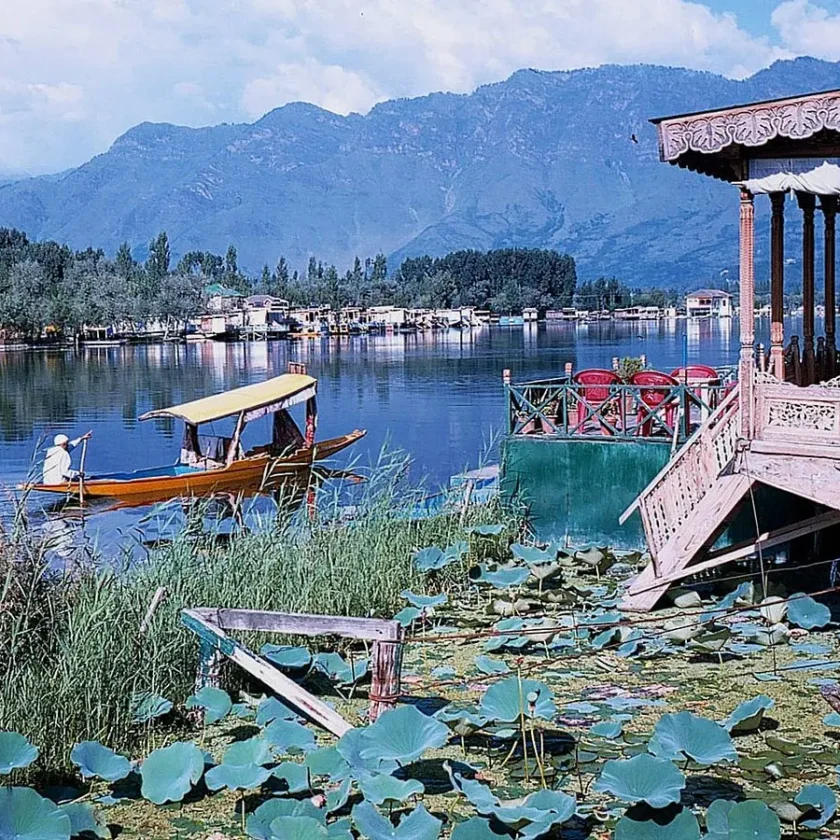
As snowflakes settle on pine trees and mist rises from rain-washed valleys, Kashmir once again transforms into a breathtaking landscape.
Scenes across Srinagar and surrounding regions reflect:
-
snow-covered rooftops
-
foggy mornings
-
silent, white-washed meadows
Yet behind this beauty lies a deeper story of resilience.
Communities continue to adapt to unpredictable weather patterns, balancing livelihoods, infrastructure challenges, and environmental uncertainty.
What Lies Ahead?
Meteorological forecasts suggest that:
-
Weather conditions may remain unstable in the short term
-
Intermittent precipitation could continue
-
Gradual warming may resume toward late March
However, given the increasing variability in Himalayan weather patterns, sudden shifts cannot be ruled out.
Final Takeaway
The return of snowfall and rain in Kashmir is both a welcome relief and a complex challenge.
After one of the driest Februaries in decades, this late-season precipitation helps restore some environmental balance—but also highlights the region’s growing climate unpredictability.
For tourists, it’s a magical moment.
For farmers and residents, it’s a test of endurance.
And for climate observers, it’s yet another signal that the Himalayas are entering a phase of greater variability and uncertainty.