‘Talking to Kings and Princesses’: Aga Ruhullah Slams PM’s Gulf Diplomacy Amid Iran Crisis
By: Javid Amin | 03 March 2026
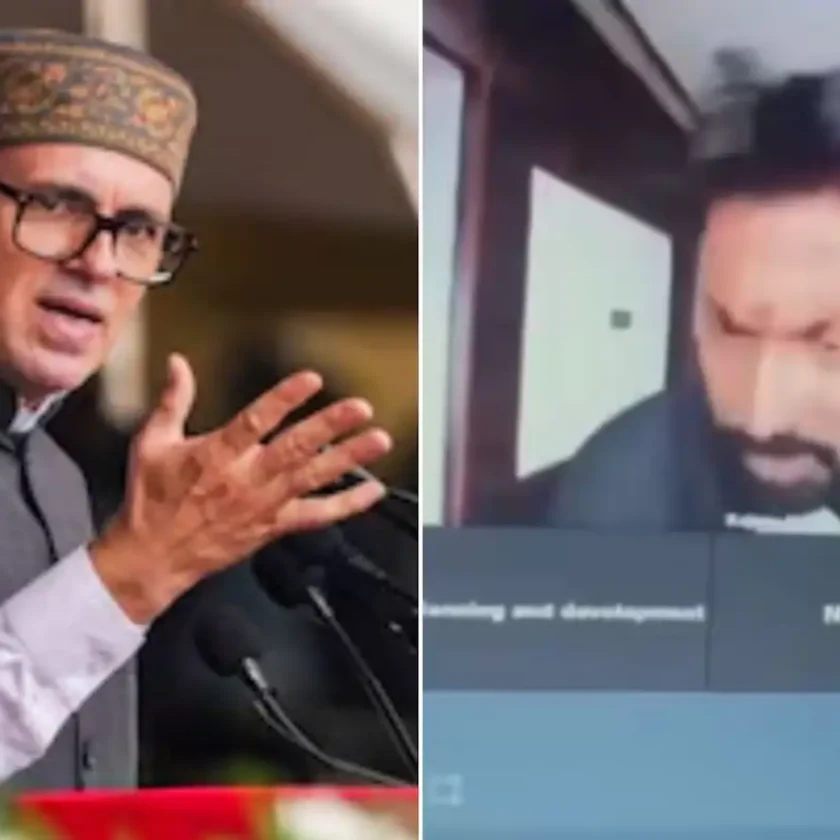
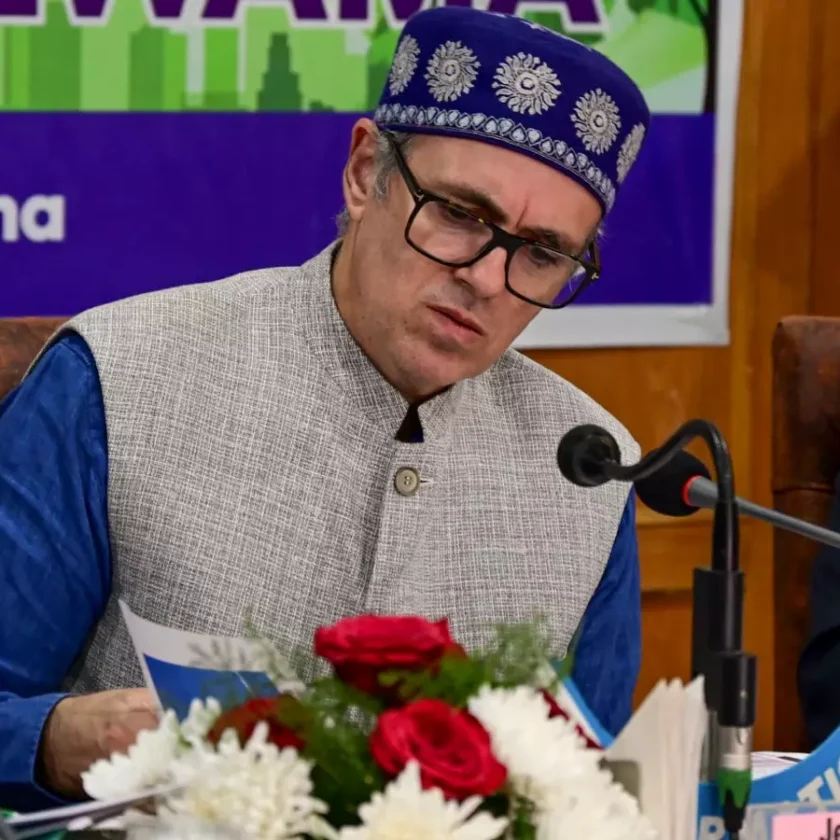
Kashmir MP Aga Syed Ruhullah Mehdi has launched a sharp critique of Prime Minister Narendra Modi’s recent Middle East outreach, accusing New Delhi of ignoring Iran at a critical moment following the reported assassination of Ayatollah Ali Khamenei in a US–Israel strike.
His remarks — delivered amid protests and curfew-like restrictions in Jammu & Kashmir — reflect a deeper political and strategic debate about India’s evolving foreign policy priorities.
What Ruhullah Said
Ruhullah lamented that while the Prime Minister was engaging with “kings and princesses in the region” — a pointed reference to Gulf monarchies hosting US military bases — there had been no visible diplomatic outreach to Tehran.
He argued that:
-
India’s silence over Khamenei’s killing signals a cooling of relations with Iran.
-
Historical ties between New Delhi and Tehran are being sidelined.
-
Iran’s diplomatic support for India at the UN Human Rights Commission in 1994 on Kashmir should not be forgotten.
The MP framed the issue not just as foreign policy realignment but as a moral and historical obligation.
Political Context in Kashmir
Ruhullah’s remarks come amid widespread protests in Jammu and Kashmir, where Shia-majority communities have expressed strong emotional reactions to Khamenei’s death.
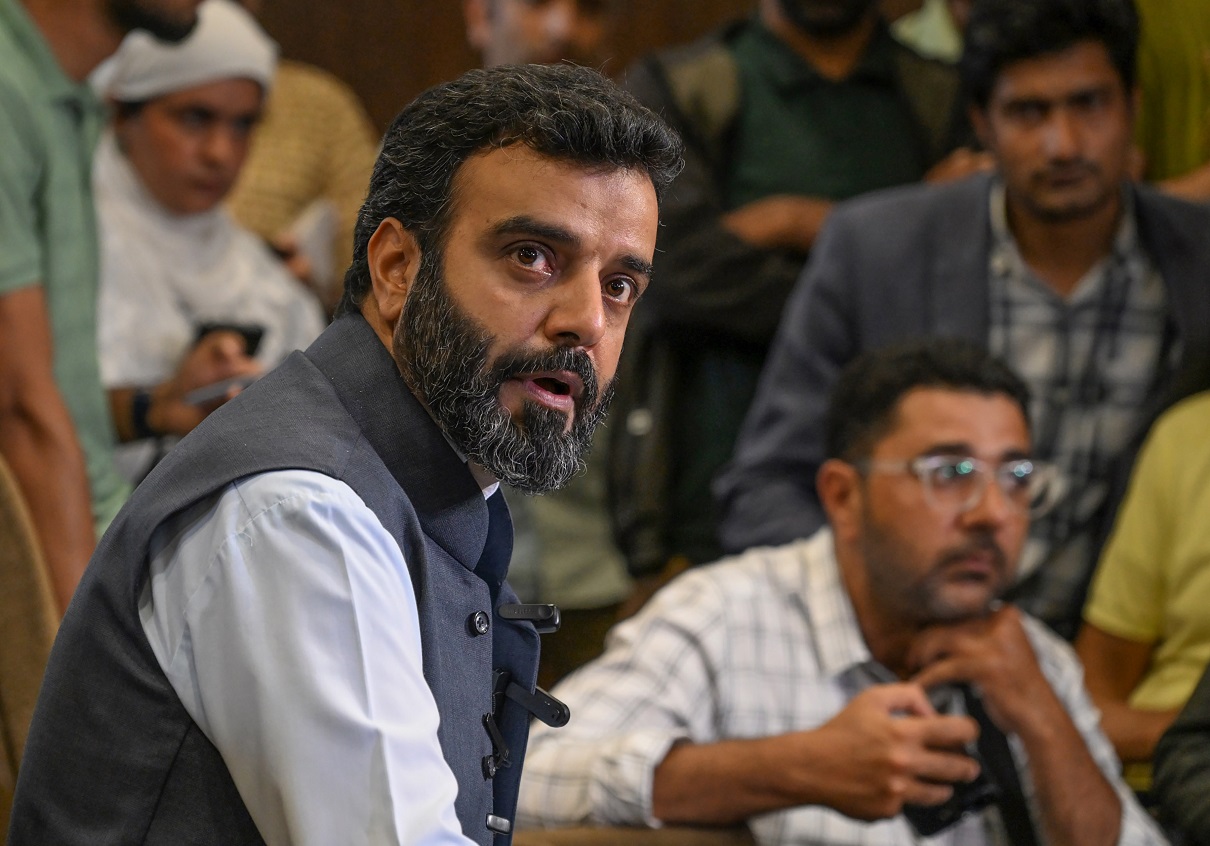
Other leaders, including Mehbooba Mufti and Sajad Lone, have also criticized what they describe as Delhi’s muted response.
Together, these voices suggest a widening political fault line:
-
New Delhi emphasizing strategic partnerships with Gulf states and Israel.
-
Kashmiri leaders highlighting Iran’s historical role and symbolic importance.
India’s Middle East Strategy: A Calculated Tilt
1️⃣ Deepening Gulf & Israel Ties
Over the past decade, India has significantly expanded ties with:
-
Saudi Arabia
-
United Arab Emirates
-
Israel
These relationships are anchored in:
-
Energy security
-
Trade and investment
-
Defense cooperation
-
Technology partnerships
India is also a participant in the proposed India–Middle East–Europe Corridor (IMEC), a US-backed connectivity initiative linking India to Europe through the Gulf and Israel.
IMEC is widely seen as:
-
Less exposed to US sanctions risk
-
Strategically aligned with Washington
-
A counterweight to China’s Belt and Road Initiative
2️⃣ Strained Ties with Iran
India–Iran relations have faced recurring stress points:
-
US sanctions on Tehran
-
Iran’s criticism of India’s policies in Kashmir and the Citizenship Amendment Act
-
Geopolitical divergence after the Abraham Accords
India once relied heavily on Iranian crude oil, but sanctions forced a pivot toward Gulf suppliers.
This reduced India’s direct economic dependence on Tehran — but not its strategic need for connectivity.
Chabahar Port: The Strategic Exception
Despite cooling energy ties, India has not abandoned Iran entirely.
Strategic Gateway
The Chabahar Port remains critical to India’s regional ambitions. It provides:
-
Direct access to Afghanistan
-
Connectivity to Central Asia
-
A route bypassing Pakistan
In 2024, India signed a 10-year agreement to operate the Shahid Beheshti terminal at Chabahar, investing approximately $120 million.
Even amid recent regional strikes, reports indicate that Indian-managed facilities at Chabahar remain operational.
This suggests Delhi is hedging rather than disengaging.
Energy Security: A Delicate Balance
India’s pivot away from Iranian oil increased reliance on Gulf suppliers.
Risks Emerging Now
The ongoing Iran–Israel–US confrontation has triggered:
-
Oil price volatility
-
Maritime insurance surges in the Strait of Hormuz
-
Supply chain uncertainties
If tensions escalate further, India’s energy import costs could rise significantly.
In that scenario, maintaining stable ties with both Gulf producers and Iran becomes strategically important.
Iran’s Perspective
From Tehran’s viewpoint:
-
India’s silence may be interpreted as alignment with US–Israel positions.
-
However, continued investment in Chabahar signals that Delhi is not fully abandoning bilateral ties.
Iran may see India’s approach as pragmatic — prioritizing sanctions-safe corridors like IMEC while preserving Chabahar as a long-term asset.
Domestic Political Implications
Ruhullah’s criticism underscores how foreign policy decisions reverberate domestically in Kashmir.
Key dimensions include:
-
Religious solidarity with Iran among Shia communities.
-
Perceptions of diplomatic imbalance.
-
Tension between strategic realism and emotional symbolism.
The debate also reflects broader questions about India’s global positioning:
-
Is India moving decisively into the US–Israel–Gulf orbit?
-
Or is it maintaining a multi-alignment strategy?
Strategic Dilemma Ahead
India faces three competing imperatives:
-
Protect deep economic and defense ties with Gulf monarchies and Israel.
-
Preserve Chabahar as a strategic gateway to Central Asia.
-
Avoid triggering sanctions exposure or diplomatic fallout.
If regional conflict intensifies, Delhi may face pressure to clarify its position more explicitly.
Conclusion: Hedging, Not Abandoning
Aga Ruhullah’s sharp rhetoric captures a sentiment present in sections of Kashmir’s political discourse — that India risks sidelining Iran at a critical moment.
Yet from a strategic standpoint, New Delhi appears to be hedging:
-
Expanding engagement with Gulf monarchies and Israel.
-
Keeping Chabahar operational as strategic depth.
-
Avoiding overt alignment that could invite sanctions pressure.
The tension between geopolitical pragmatism and historical affinity is now playing out not only in diplomatic corridors — but in Kashmir’s political arena.
As the Iran–Israel crisis unfolds, India’s balancing act will be tested more severely than at any time in recent years.