Kashmir vs Ladakh 2026: Which Himalayan Destination Is Better for Your Next Trip?
By: Javid Amin | 14 May 2026
Paradise or Adventure? Here’s the Ultimate Kashmir vs Ladakh Travel Guide
For many travelers planning a trip to the Himalayas, one question often becomes the biggest dilemma: Kashmir or Ladakh?
Both destinations are breathtaking, both sit in India’s northern frontier, and both promise unforgettable memories. Yet, the experiences they offer are completely different.
While Kashmir is known for its lush valleys, Mughal gardens, lakes, culture, and relaxing vacations, Ladakh attracts travelers seeking adventure, rugged landscapes, monasteries, and high-altitude thrills.
If you are confused about where to spend your next vacation, this detailed side-by-side comparison will help you make the right choice based on budget, weather, travel style, activities, family suitability, and overall experience.
Also Read | Jammu, Kashmir & Ladakh Travel Guide 2026: The Most Complete Trip Planner You’ll Ever Need
Kashmir vs Ladakh: Understanding the Core Difference
The biggest difference between Kashmir and Ladakh lies in the type of travel experience they offer.
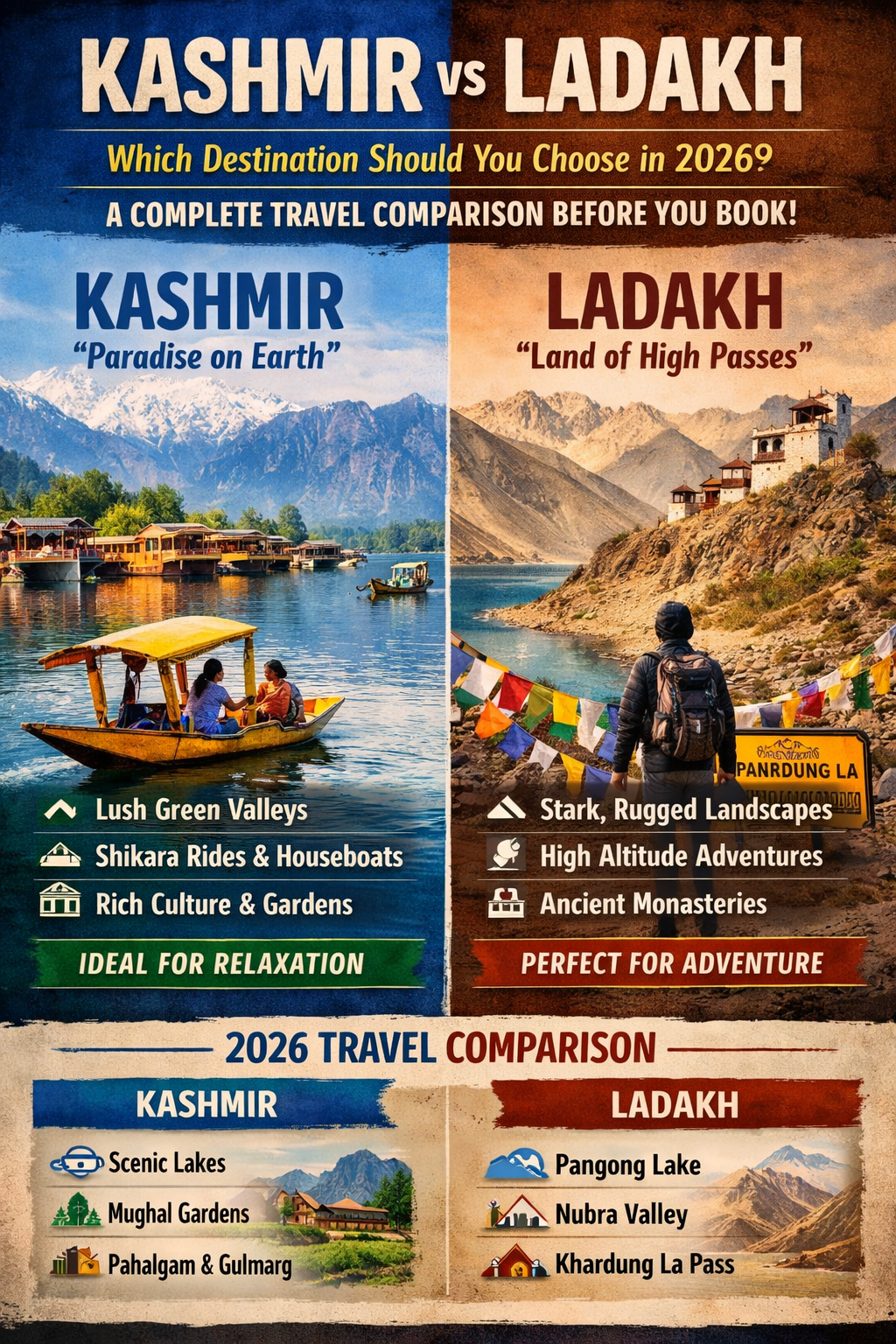
Kashmir: “Paradise on Earth”
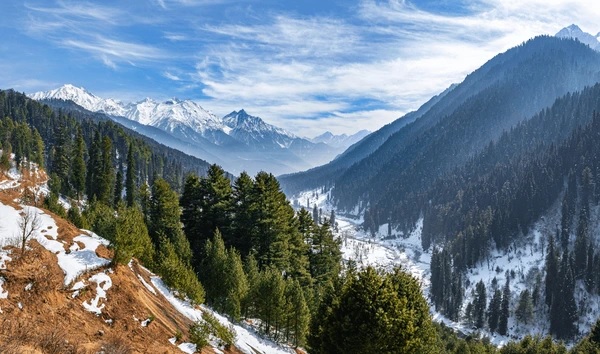
Kashmir is soft, green, romantic, and culturally immersive. Snow-covered peaks rise above pine forests, lakes reflect colorful houseboats, and valleys bloom with flowers during spring and summer.
The region is ideal for:
- Families
- Honeymoon couples
- Senior citizens
- First-time mountain travelers
- Relaxed vacation seekers
Popular attractions include:
- Srinagar
- Dal Lake
- Gulmarg
- Pahalgam
- Sonamarg
Ladakh: “Land of High Passes”
It is best suited for:
- Adventure seekers
- Road trip lovers
- Solo travelers
- Bikers
- Trekking enthusiasts
- Photographers
Major highlights include:
- Leh
- Pangong Lake
- Nubra Valley
- Khardung La
- Thiksey Monastery
Also Read | Beautiful Tourist Places to Explore in Jammu, Kashmir & Ladakh Complete Travel Guide 2026
Kashmir vs Ladakh: Landscape Comparison
Kashmir Offers Green Beauty and Lakes
Kashmir is famous for:
- Green meadows
- Snow-covered mountains
- Pine forests
- Flowing rivers
- Tulip gardens
- Apple orchards
- Alpine lakes
The scenery feels peaceful and cinematic, especially during spring and autumn.
Popular experiences include:
- Shikara rides on Dal Lake
- Staying in traditional houseboats
- Gondola rides in Gulmarg
- River rafting in Pahalgam
- Visiting Mughal gardens
Ladakh Is Raw, Rugged, and Dramatic
Ladakh’s landscape is stark yet mesmerizing.
Travelers witness:
- High-altitude deserts
- Rocky mountains
- Ancient monasteries
- Frozen rivers
- Turquoise lakes
- Vast open roads
The dramatic terrain makes Ladakh one of the most photogenic destinations in India.
Many travelers describe the Leh–Pangong road trip as a once-in-a-lifetime experience.
Weather and Best Time to Visit
Best Time for Kashmir
Kashmir remains accessible for most of the year.
Spring (March to April)
- Tulip blooms
- Pleasant weather
- Fresh greenery
Summer (May to August)
- Best for sightseeing
- Cool temperatures
- Family vacations
Autumn (September to October)
- Golden chinar trees
- Less tourist rush
Winter (December to February)
- Snowfall in Gulmarg
- Skiing season
- Frozen landscapes
Best Time for Ladakh
Ladakh has a much shorter tourism season.
Ideal Months: June to September
During this period:
- Roads remain open
- Weather becomes manageable
- Pangong and Nubra are accessible
Winters in Ladakh
Winters are extremely harsh:
- Temperatures can fall below -20°C
- Heavy snowfall blocks roads
- Many hotels close temporarily
However, winter attracts adventure travelers for the famous Chadar Trek.
Also Read | Kashmir Summer Travel Guide 2026: Smart, Scenic & Affordable Escapes with JKL Travels
Culture and Local Experience
Kashmir’s Rich Heritage
Kashmir’s identity is deeply rooted in:
- Sufi traditions
- Persian influence
- Handicrafts
- Hospitality
- Mughal architecture
Travelers can explore:
- Traditional Kashmiri markets
- Papier-mâché art
- Pashmina shawls
- Wood carving
- Local wazwan cuisine
The warmth of Kashmiri hospitality remains one of the strongest reasons tourists return.
Ladakh’s Tibetan Buddhist Influence
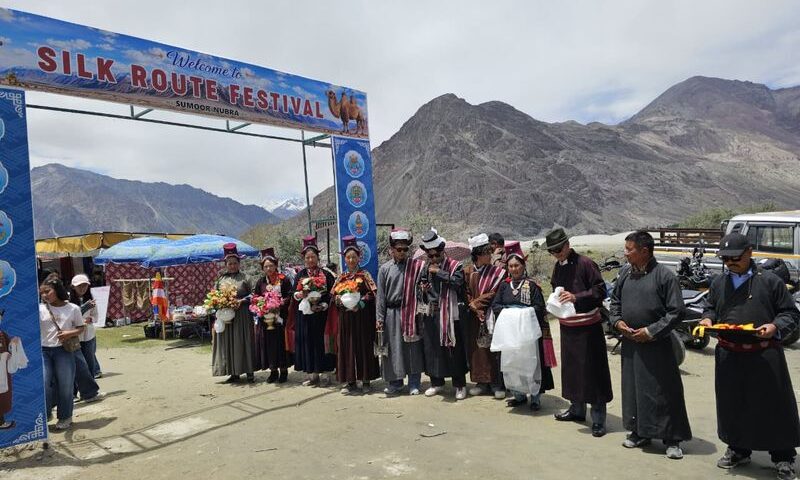
Ladakh has a completely different cultural atmosphere.
The region is heavily influenced by Tibetan Buddhism, visible through:
- Monasteries
- Prayer flags
- Buddhist festivals
- Monks and meditation culture
Visitors often explore:
- Monastery circuits
- Local village stays
- Meditation retreats
- Traditional Ladakhi homes
The spiritual calm of Ladakh is one of its biggest attractions.
Food: What Will You Eat?
Kashmir Cuisine
Must-try dishes:
- Rogan Josh
- Gushtaba
- Rista
- Kebabs
- Kashmiri Kahwa
- Noon Chai
Food lovers often consider Kashmiri wazwan one of India’s finest culinary experiences.
Ladakhi Cuisine
Ladakhi food is simpler and designed for cold weather.
Popular items include:
- Thukpa
- Momos
- Butter tea
- Skyu
- Tingmo
Cafés in Leh also serve global cuisine due to growing tourism.
Also Read | Beat the Summer Heat in Kashmir: Your Complete 2026 Travel Guide with JKL Travels
Adventure Activities: Which Destination Wins?
Kashmir Activities
Kashmir offers soft adventure and leisure tourism:
- Skiing in Gulmarg
- Gondola rides
- Trekking
- River rafting
- Camping
- Horse riding
- Fishing
It is ideal for travelers seeking comfort with a touch of adventure.
Ladakh Activities
Ladakh is a full-fledged adventure destination:
- Bike expeditions
- High-altitude trekking
- ATV rides
- Camel safaris in Nubra
- Camping near Pangong
- River rafting in Zanskar
- Mountain cycling
The thrill factor in Ladakh is significantly higher than Kashmir.
Health and Acclimatization
Kashmir Is Easier for Most Travelers
Kashmir sits at a relatively comfortable altitude of around 1,600–2,700 meters.
Most travelers experience:
- Minimal breathing issues
- Comfortable weather
- Easier mobility
It is generally safe for children and elderly travelers.
Ladakh Requires Acclimatization
Ladakh’s altitude ranges between 3,500 and 5,600 meters.
Travelers may face:
- Headaches
- Nausea
- Fatigue
- Acute Mountain Sickness (AMS)
Experts recommend:
- Resting for 24 hours after arriving in Leh
- Staying hydrated
- Avoiding alcohol initially
- Moving slowly during the first two days
This makes Ladakh moderately challenging compared to Kashmir.
Also Read | Jammu, Kashmir & Ladakh Travel Guide 2026: The Most Complete Trip Planner You’ll Ever Need
Budget Comparison
Kashmir Is More Budget-Friendly
Average daily budget:
- ₹3,000–₹5,000 per person
This generally includes:
- Mid-range hotels
- Local transport
- Meals
- Basic sightseeing
Budget backpackers can travel even cheaper.
Ladakh Costs More
Average daily budget:
- ₹5,000–₹8,000 per person
Higher costs come from:
- Remote logistics
- Fuel prices
- Limited accommodation
- Permit fees
- Long-distance transport
Bike trips and luxury camps increase expenses further.
Which Destination Is Better for Families?
Choose Kashmir If:
- You are traveling with kids
- You prefer comfort
- You want easier transportation
- You are planning a honeymoon
- You are a first-time Himalayan traveler
Kashmir offers smoother travel experiences and more accessible tourism infrastructure.
Which Destination Is Better for Adventure Travelers?
Choose Ladakh If:
- You love road trips
- You enjoy extreme landscapes
- You want biking adventures
- You seek solitude
- You enjoy trekking and exploration
Ladakh delivers a more rugged and unforgettable adventure experience.
Also Read | Beautiful Tourist Places to Explore in Jammu, Kashmir & Ladakh Complete Travel Guide 2026
Kashmir vs Ladakh: Airport and Connectivity
Kashmir
Nearest airport:
- Srinagar International Airport (SXR)
Road connectivity remains good for most tourist circuits.
Ladakh
Nearest airport:
- Kushok Bakula Rimpochee Airport, Leh (IXL)
Road access via:
- Manali–Leh Highway
- Srinagar–Leh Highway
However, weather disruptions are more common in Ladakh.
Final Verdict: Kashmir or Ladakh?
The answer depends entirely on the kind of traveler you are.
Choose Kashmir If You Want:
✔ Green valleys
✔ Relaxed vacations
✔ Romantic experiences
✔ Family-friendly tourism
✔ Rich culture and cuisine
✔ Easier travel conditions
Choose Ladakh If You Want:
✔ High-altitude adventure
✔ Stunning road trips
✔ Rugged mountain landscapes
✔ Monastery culture
✔ Bike expeditions
✔ Unique Himalayan experiences
A combined trip to Kashmir and Ladakh is one of the most rewarding journeys you can take — blending lush valleys, cultural richness, and high‑altitude adventure. Here’s how you can plan it:
Also Read | Kashmir Summer Travel Guide 2026: Smart, Scenic & Affordable Escapes with JKL Travels
Suggested Itinerary
- Day 1–3: Srinagar Explore Dal Lake, Mughal gardens, and stay in a houseboat.
- Day 4–5: Gulmarg & Pahalgam Ski slopes in Gulmarg, pine forests and Lidder River in Pahalgam.
- Day 6–7: Sonamarg Gateway to Ladakh, with glaciers and alpine meadows.
- Day 8–12: Leh & Ladakh Drive via Zoji La Pass to Leh. Visit monasteries, Pangong Lake, Nubra Valley, and Khardung La.
- Day 13–14: Return to Srinagar Scenic drive back, unwind before departure.
Travel Routes
- By Road: Srinagar → Sonamarg → Zoji La → Kargil → Leh (approx. 420 km, 2 days with stopovers).
- By Air: Flights connect Srinagar and Leh, saving time but missing the dramatic landscapes.
Highlights of Each Region
| Kashmir | Ladakh |
|---|---|
| Dal Lake houseboats | Pangong Lake & Nubra Valley |
| Mughal gardens | Monasteries (Hemis, Thiksey) |
| Gulmarg ski slopes | Khardung La, world’s highest motorable pass |
| Pahalgam trekking | Stark desert landscapes |
- Best season: May–September for road connectivity and pleasant weather.
- Altitude prep: Acclimatize in Leh before visiting high passes.
- Permits: Required for Pangong, Nubra, and border areas.
- Packing: Layered clothing — Kashmir is mild, Ladakh can be freezing at night.
A combined trip lets you experience Kashmir’s charm and Ladakh’s rugged adventure in one journey.
Quick Takeaway
Kashmir feels like a poetic escape filled with lakes, gardens, culture, and comfort.
Ladakh feels like an expedition into another world — raw, spiritual, adventurous, and unforgettable.
If possible, many seasoned travelers recommend experiencing both destinations at least once in life because together they showcase two completely different faces of the Himalayas.