Trump Delays Iran Strikes for 5 Days: Diplomacy vs War at a Tipping Point
By: Javid Amin | 24 March 2026
From Brink of War to a Narrow Diplomatic Window
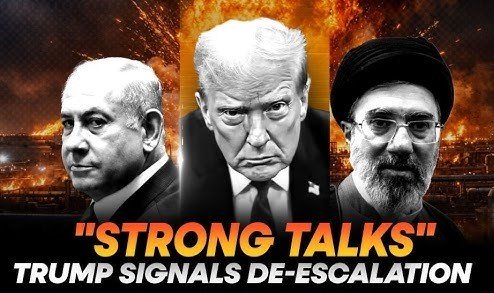
In a significant and unexpected shift, Donald Trump has postponed planned US strikes on Iranian energy infrastructure for five days, signaling a temporary pivot from escalation to negotiation.
The decision affects potential attacks on:
- Iranian power plants
- Oil and energy facilities
and comes after intense backchannel talks between United States and Iran.
This is not de-escalation—it is a pause under pressure.
What Changed: From Ultimatum to Engagement
The 48-Hour Threat
Just days earlier, Washington had issued a hard ultimatum:
- Reopen the Strait of Hormuz
- Or face strikes on critical infrastructure
This triggered:
- Global market panic
- Military readiness across the Gulf
- Fears of immediate war escalation
The Sudden Pause
On March 23, 2026, Trump announced:
- A 5-day delay in strikes
- Citing “productive conversations”
- Indicating “major points of agreement”
Negotiations reportedly involve:
- Steve Witkoff (US envoy)
- Jared Kushner
- Iranian representatives
Iran’s Response: Cautious Denial
While Washington signals optimism, Iran has:
- Denied any formal agreement
- Maintained a guarded stance
- Avoided confirming concessions
This divergence reveals a classic negotiation gap—public optimism vs private uncertainty.
Strategic Interpretation: Why the Delay Matters
1. Avoiding Immediate Escalation
The pause reduces:
- Risk of US strikes on civilian-critical infrastructure
- Immediate retaliation by Iran
- A sudden regional war
2. Signaling Willingness to Deal
The United States is sending a message:
It prefers a negotiated outcome over uncontrolled escalation
This aligns with:
- Economic pressure concerns
- Limited allied enthusiasm for war
- Domestic political calculations
3. Preserving Leverage
Importantly:
- The threat remains active
- The deadline is extended—not removed
This creates a pressure-diplomacy hybrid strategy:
Negotiate—but under the shadow of force.
The Core Issue: Strait of Hormuz
Everything still revolves around the Strait of Hormuz.
Why It’s Critical:
- ~20–25% of global oil passes through it
- Vital for LNG exports
- Backbone of Gulf energy flows
Current Status:
- Shipping remains vulnerable
- Insurance costs high
- Naval tensions unresolved
Global Impact: Markets and Security
Energy Markets
- Oil prices remain volatile
- Traders reacting to uncertainty, not stability
- Any breakdown in talks → immediate price spike
Gulf Security
Countries in the region remain on:
- High military alert
- Defensive posture around energy infrastructure
Diplomatic Landscape
- Talks signal possible de-escalation
- But lack of trust limits progress
Key Risk Factors Over the Next 5 Days
1. Breakdown of Talks
If negotiations fail:
- Strikes on Iranian infrastructure likely
- Rapid escalation follows
2. Miscalculation
Even during talks:
- Missile or proxy strike could derail diplomacy
- Escalation could restart instantly
3. Mixed Messaging
- US signals optimism
- Iran signals caution
This creates:
Expectation mismatch → negotiation instability
5-Day Scenario Outlook
🟢 Scenario 1: Breakthrough Agreement (Low Probability)
- Partial reopening of Strait of Hormuz
- Freeze on strikes
- Start of formal negotiations
🟡 Scenario 2: Tactical De-escalation (Most Likely)
- Informal understandings
- Reduced intensity of attacks
- Continued tension without full war
🔴 Scenario 3: Return to Escalation
- Talks collapse
- US proceeds with strikes
- Iran retaliates regionally
Strategic Insight: A Pause, Not Peace
This moment reflects a deeper pattern in modern conflict:
- Escalate to negotiate
- Pause to recalibrate
- Threaten to extract concessions
The US approach combines:
- Military dominance
- Economic leverage
- Diplomatic flexibility
Iran’s approach remains:
- Resist pressure
- Avoid concessions under threat
- Maintain strategic ambiguity
Final Assessment: A Critical Window
The next five days are decisive.
They will determine whether this conflict:
- Moves toward controlled de-escalation
- Or returns to high-intensity confrontation
Bottom Line
- Donald Trump has delayed—not cancelled—strikes
- Iran remains cautious and unconvinced
- The Strait of Hormuz remains the central flashpoint
And the defining reality:
The world has been given a 5-day window—not a solution.