A Sudden Geopolitical Shockwave
By: Javid Amin | 01 March 2026
In an unexpected and dramatic turn of events reported over the last 48 hours, state media in Iran and multiple credible international news outlets have confirmed that Ayatollah Seyyed Ali Khamenei, the Supreme Leader of the Islamic Republic of Iran, was killed in a coordinated U.S.–Israeli air and missile strike on Tehran. The announcement has triggered widespread political, social, and security upheaval across South Asia and the Middle East.
The repercussions are unfolding on multiple fronts — from violent protests and deadly confrontations in Pakistan to mass demonstrations and political mobilisations in Kashmir — creating a volatile tapestry of public anger, institutional responses, and burgeoning diplomatic tension.
What makes this moment especially consequential is not only the death of a sitting leader, but the breadth of reaction across distinct regional theatres — each with its own historical, religious, and strategic context.
The Reported Killing: What We Know So Far
The Event
According to Iranian state media confirmations and reporting by major international outlets, Ayatollah Ali Khamenei — who had led the Islamic Republic since 1989 — was reportedly killed during a coordinated military offensive by United States and Israeli forces targeting Iran’s strategic centres.
The attack — described by U.S. and Israeli officials as targeting senior Iranian regime leadership amid what they called escalating threats — reportedly struck Khamenei’s secure compound in central Tehran, resulting in his death along with several close associates.
International Confirmation and Controversies
-
Former U.S. leadership figures confirmed details of the strikes, indicating a major strategic military campaign against Iran.
-
Iran’s media acknowledged the loss of its supreme leader, suggesting a potential shift in national leadership structures.
-
Simultaneously, several media outlets note accelerated military exchanges in the region, suggesting active retaliation and escalation.
Immediate Security Repercussions
Reports indicate that:
-
Military assets associated with the U.S. and Israel in the Gulf region came under retaliatory strikes.
-
Iran has placed its Revolutionary Guard and Basij forces on high alert.
-
Diplomatic tensions have sharply escalated between Western nations and Iran’s regional allies.
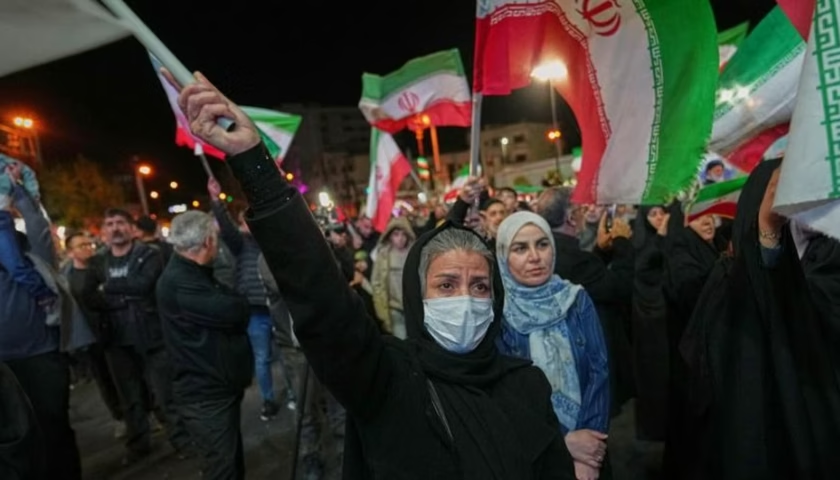
This sudden vacuum at the helm of one of the Middle East’s most influential states has ignited a combination of mourning, anger, and political mobilisation across communities far beyond Iran’s borders.
Kashmir: Shutdowns, Protests, and Political Response
Ground Unrest in Srinagar and Beyond
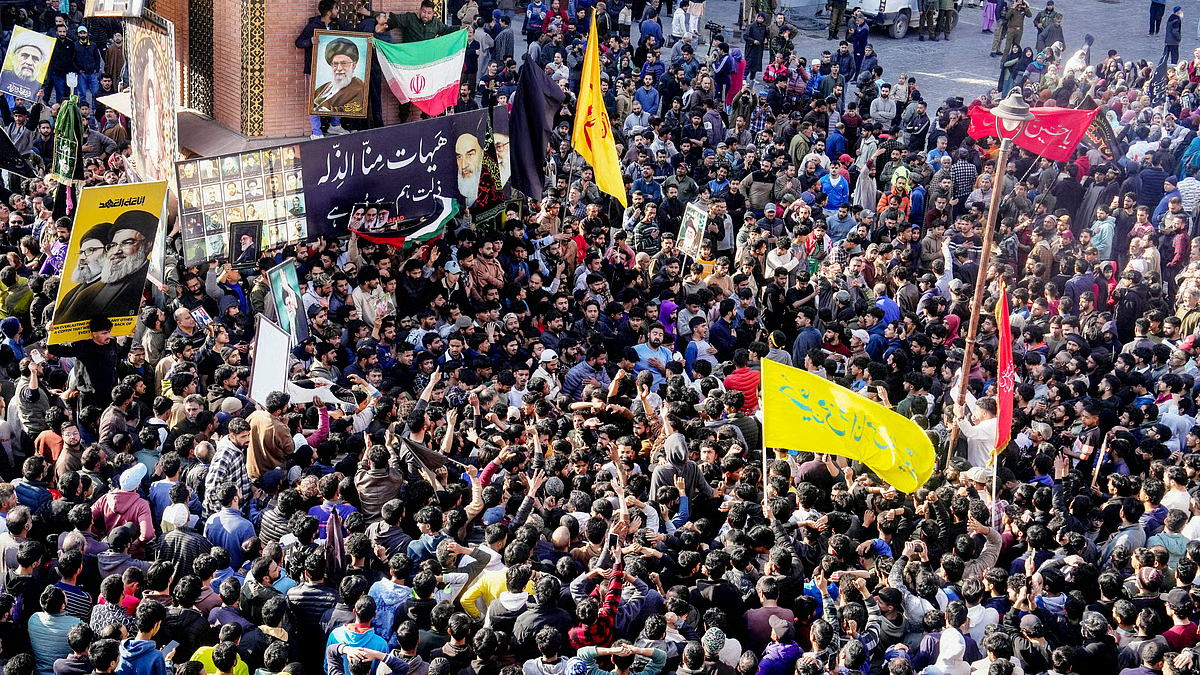
The news from Iran has reverberated in Jammu & Kashmir, the only Muslim-majority region of India, where protests have erupted in multiple towns and urban centres in response to the reported death of Khamenei.
In Srinagar’s Lal Chowk — a symbolic political heart of the valley — crowds gathered with slogans against foreign military action and expressing solidarity with Iran’s people.
Government Restrictions and Curbs
To manage the situation and prevent a broader law-and-order crisis:
-
Authorities sealed off major intersections, including Lal Chowk, and blocked vehicular movement in key areas.
-
Schools and colleges across the Kashmir Valley were ordered closed for at least two days as a precautionary public safety measure.
-
Internet services, particularly mobile data speeds, were throttled to curb misinformation and panic.
Political Outreach and Appeals for Calm
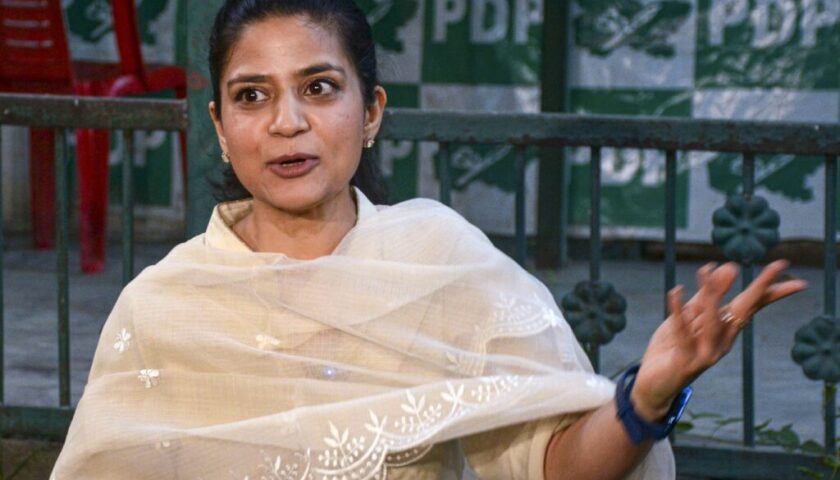
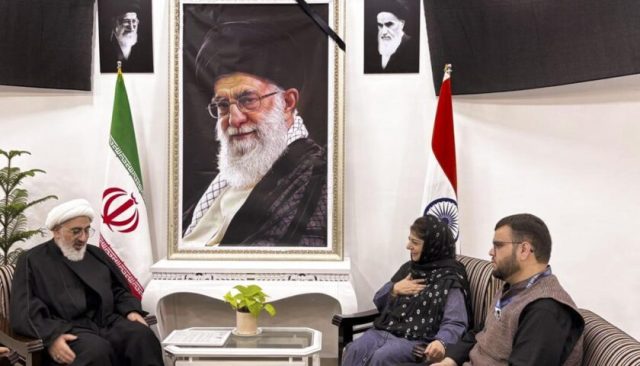
Local political leadership, including Jammu & Kashmir’s Chief Minister, has repeatedly appealed for peace, urging communities across religious lines to avoid violence or disruption.
Officials also flagged concerns about how foreign geopolitical events could impact domestic stability, especially given historical sensitivities in the region.
Pakistan’s Turmoil: Deadly Clashes and Diplomatic Flashpoints
Violence in Karachi and Beyond
In Pakistan, the reaction to the reported killing of Iran’s leader has been markedly intense and deadly:
-
Pro-Iranian protestors clashed with law enforcement near the U.S. Consulate in Karachi, resulting in multiple deaths and dozens of injuries.
-
Estimates from multiple sources suggest 10–19 fatalities in protest-related violence across Pakistani cities.
Circumstances and Security Force Responses
-
Demonstrators reportedly attempted to breach the consulate perimeter, smashing windows and confronting security forces.
-
Police and federal units used tear gas, baton charges, and warning shots in reported efforts to contain the unrest.
-
Section 144 — which bans large gatherings — was imposed in several provinces to prevent further escalation.
National Leadership Reaction
Pakistan’s federal leaders publicly condemned the violence while also expressing solidarity with Iran’s people and concerns about violations of international norms regarding leaders being targeted.
Despite urging for peaceful protest, the unrest underscores underlying tensions over foreign policy, sectarian identity, and geopolitical alignment.
Wider Regional Dynamics: Rallying Allies and Rising Tensions
Iran’s Strategic Response
With its supreme leader reported killed, Iran is now facing a leadership transition and profound internal political stress, as well as mounting pressure from both global powers and domestic factions.
State forces — including the Revolutionary Guard Corps (IRGC) — have been placed on heightened alert across key cities like Tehran and Qom to prevent opportunistic unrest.
Mobilisation of Allied Groups
Across the Middle East and South Asia, allied non-state actors linked to Tehran’s strategic network — including militias in Iraq, Hezbollah in Lebanon, and the Houthis in Yemen — have publicly vowed to respond against U.S. and Israeli interests.
Such declarations raise the spectre of proxy engagements escalating into open confrontation in multiple arenas.
International Diplomatic Ripples
Global powers and regional entities are issuing conflicting statements:
-
Some Western leaders are framing the operation as a “defensive necessity.”
-
European officials are warning against spiralling violence and advocating for diplomatic channels.
-
United Nations representatives are calling for restraint to prevent a broader war.
Why the Protests Matter: Local Sentiments and Global Implications
Cultural and Religious Context
For many Shia communities across South Asia and the Middle East, the death of Ayatollah Khamenei — a figure with profound religious and political influence — has struck a deep chord, prompting emotional and often visceral responses in public spaces.
This sentiment is strongest in areas with significant Shia populations, from Kashmir to Pakistan’s Gilgit-Baltistan region.
Intersection with Domestic Politics
In regions already dealing with social fragility and political sensitivities, the external catalyst of a leader’s death has magnified existing grievances:
-
In Kashmir, economic distress and political uncertainty interact with international outrage.
-
In Pakistan, sectarian tensions intersect with sharp feelings about foreign policy and national sovereignty.
Regional Security Implications
The rapid escalation following the reported killing amplifies the risk of:
-
Cross-border tensions turning kinetic.
-
Diplomatic rifts widening between global powers and regional governments.
-
Proxy engagements drawing in local communities and militant actors.
Conclusion — A Watershed Moment with Complex Fallout
As verified reports continue to emerge, what is clear is that the reported death of Iran’s Supreme Leader has created a multidimensional geopolitical event — one with socio-political, security, and diplomatic ramifications across South Asia and the wider Middle East.
From sealed streets and shutdowns in Kashmir to deadly confrontations in Pakistan, and from official condemnations to strategic recalibrations by armed groups and states, the world is witnessing a fluid crisis that could redefine regional alignments for years to come.
NOTE: This article reflects verified reporting as of March 2, 2026. Given the rapidly evolving nature of these events, further developments may refine or alter aspects of the narrative presented here.