Dulhasti Stage-II Hydropower Project Approved: Chenab, Indus Treaty Suspension & Strategic Impact Explained
By: Javid Amin | 27 December 2025
When Power Projects Become Policy Statements
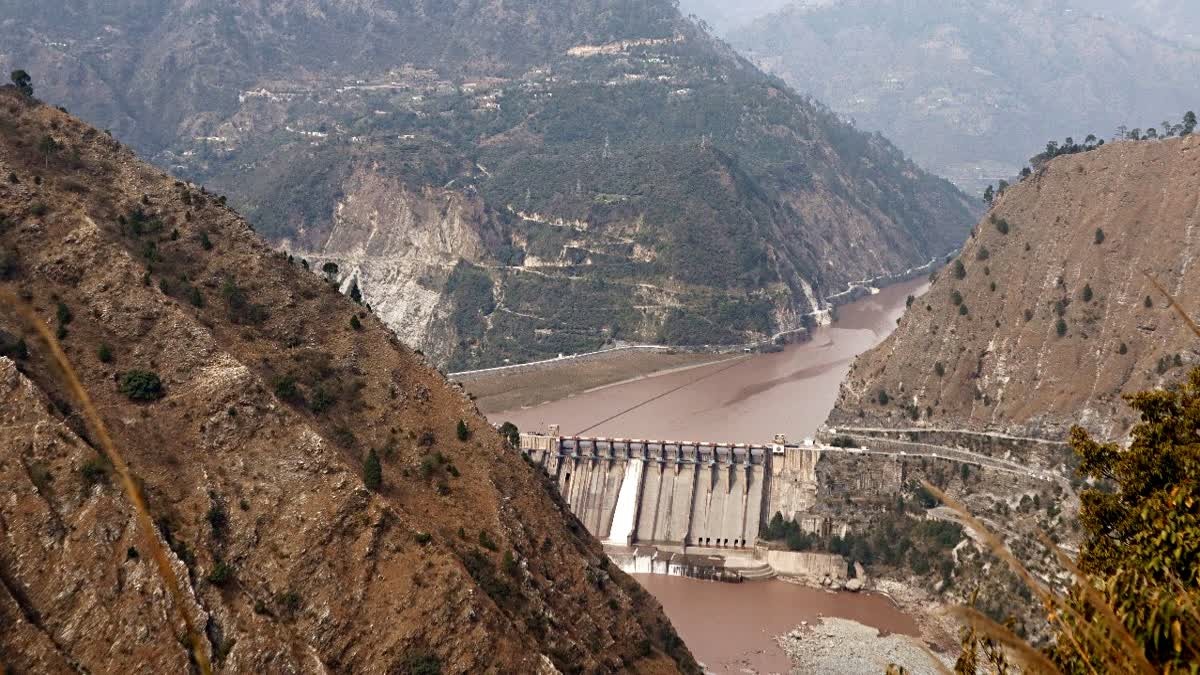
The Union government’s decision to grant environmental clearance to the Dulhasti Stage-II hydropower project on the Chenab River in Jammu & Kashmir’s Kishtwar district marks more than just another infrastructure approval.
Coming at a time when India has suspended the Indus Waters Treaty (IWT) with Pakistan, the clearance signals a decisive shift in how New Delhi approaches water, power, and national security in the western Himalayan region.
At one level, it is a development milestone: 260 MW of clean, renewable energy, jobs, and economic activity for a remote district. At another, it is a geopolitical message, underscoring India’s willingness to fully utilise its river resources without treaty-era restraint.
The Project at a Glance: Dulhasti Stage-II Explained
Core Details
-
Project capacity: 260 MW
-
Type: Run-of-the-river hydropower project
-
River: Chenab
-
Location: Kishtwar district, Jammu & Kashmir
-
Estimated cost: Over ₹3,200 crore
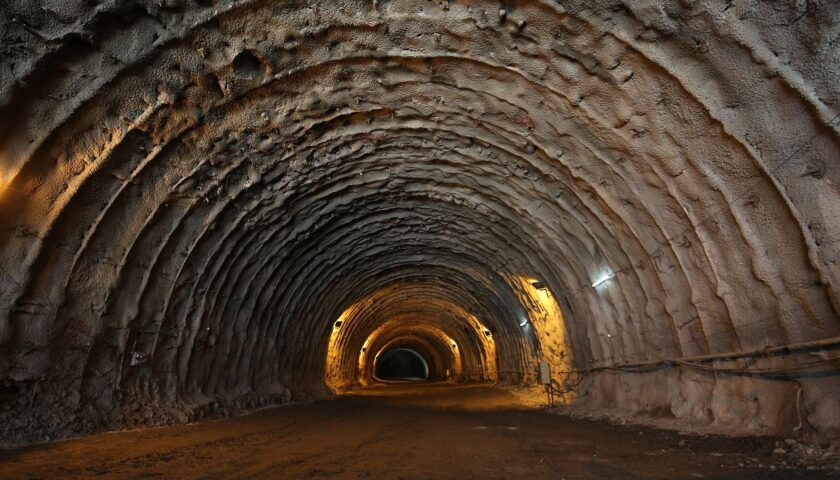
Dulhasti Stage-II is planned as an extension and augmentation of the existing Dulhasti hydropower infrastructure, designed to harness additional potential from the Chenab basin.
Approval Authority
The project received environmental clearance from the Expert Appraisal Committee (EAC) under the Ministry of Environment, Forest and Climate Change (MoEFCC) during its 45th meeting.
This clearance removes one of the most significant regulatory hurdles, allowing the project to move into execution mode.
Why the Timing Matters: Indus Waters Treaty in the Background
What Changed in 2025
The clearance comes after India suspended the Indus Waters Treaty following the Pahalgam terror attack in April 2025, which New Delhi linked to cross-border terrorism.
The IWT, signed in 1960, had:
-
Allocated Chenab, Jhelum, and Indus largely to Pakistan
-
Restricted India’s use mainly to run-of-the-river projects with tight design conditions
Suspension of the treaty has effectively:
-
Removed procedural constraints
-
Reduced diplomatic hesitation
-
Opened space for accelerated hydropower planning
From Restraint to Assertion: A Shift in Water Policy
For decades, India followed a policy of maximum compliance and minimum utilisation, often delaying or downsizing projects to avoid disputes.
The Dulhasti Stage-II clearance suggests a strategic recalibration:
-
Water seen not just as a resource, but as strategic leverage
-
Infrastructure approvals aligned with national security considerations
-
J&K positioned as a frontline development zone, not a peripheral region
This does not automatically mean diversion of water flows—but it clearly signals intent to fully use India’s entitlements.
Energy Security: What 260 MW Means for J&K
Reducing Power Deficit
Jammu & Kashmir remains:
-
Heavily dependent on power imports
-
Vulnerable to seasonal shortages, especially in winter
An additional 260 MW of local generation:
-
Strengthens grid stability
-
Reduces reliance on thermal and external sources
-
Improves power availability for households and industry
Clean Energy Push
Hydropower fits into:
-
India’s renewable energy commitments
-
Decarbonisation goals
-
Long-term energy cost reduction
For a region with abundant river potential, hydropower remains the most viable large-scale renewable option.
Regional Development: Kishtwar’s Long-Awaited Boost
Why Kishtwar Matters
Kishtwar is:
-
Resource-rich but infrastructure-poor
-
Geographically remote
-
Historically under-invested
Large projects like Dulhasti Stage-II can:
-
Generate direct and indirect employment
-
Improve roads, connectivity, and local markets
-
Stimulate ancillary businesses and services
Local expectations are high, particularly among youth seeking stable employment.
What Happens Next: From Clearance to Construction
With environmental clearance in place:
-
Construction tenders can now be floated
-
Project timelines are likely to accelerate
-
Central and UT-level agencies can align funding and logistics
However, experience in J&K shows that approval does not guarantee smooth execution.
Risks on the Ground: Lessons from Past Projects
Terrain and Climate Challenges
Hydropower projects in the Himalayas face:
-
Fragile geology
-
Landslide-prone zones
-
Extreme weather events
These factors have historically caused:
-
Cost overruns
-
Construction delays
-
Safety concerns
Security Considerations
Kishtwar has seen periods of militancy-related disruption in the past. Large infrastructure projects require:
-
Sustained security arrangements
-
Community engagement to prevent alienation
Environmental Concerns: Beyond the “Run-of-the-River” Label
While run-of-the-river projects are often presented as environmentally benign, experts caution against oversimplification.
Potential Ecological Impacts
-
Altered river flow patterns
-
Impact on aquatic biodiversity
-
Reduced sediment transport downstream
-
Stress on local water use
Downstream communities and environmental groups often demand:
-
Transparent impact assessments
-
Minimum ecological flow guarantees
-
Continuous monitoring
Balancing power generation with river health remains a core challenge.
Geopolitical Fallout: How Pakistan May Respond
Perception of Escalation
Pakistan has traditionally objected to Indian projects on the Chenab, even under IWT-compliant designs.
In the current context, Islamabad may view:
-
Accelerated approvals as strategic escalation
-
Hydropower expansion as political signalling
Limited Immediate Options
With the treaty suspended:
-
Formal dispute mechanisms are weakened
-
Diplomatic protests may replace legal challenges
However, water remains an emotionally charged issue, capable of fuelling regional tensions.
Experts’ Take: Development with Strategic Undertones
Strategic affairs analysts describe the Dulhasti Stage-II clearance as:
-
A calculated assertion, not a sudden rupture
-
A message that terrorism carries tangible consequences
-
A reminder that development policy and security policy are increasingly intertwined
At the same time, they warn against:
-
Over-politicising water infrastructure
-
Neglecting environmental safeguards
The Bigger Picture: J&K as India’s Hydropower Frontier
Jammu & Kashmir has an estimated hydropower potential exceeding 20,000 MW, much of it untapped.
If managed well:
-
It can transform the region’s economy
-
Make J&K a net power exporter
-
Reduce India’s carbon footprint
If mismanaged:
-
Ecological damage
-
Local resentment
-
International criticism
The Dulhasti Stage-II project will therefore be closely watched as a test case.
FAQs
Q1: Is Dulhasti Stage-II violating the Indus Waters Treaty?
With the treaty suspended, India is no longer bound by its procedural constraints.
Q2: Will this reduce water flow to Pakistan?
Run-of-the-river projects do not divert water permanently, but timing and regulation can still be sensitive.
Q3: How soon will construction begin?
Tendering can begin soon, but timelines depend on execution capacity and ground conditions.
Q4: Will locals benefit directly?
Employment and infrastructure gains are expected, but effective local participation will be crucial.
Conclusion: Development Project, Strategic Signal, Environmental Test
The environmental clearance for Dulhasti Stage-II is not just another hydropower approval—it reflects a turning point in how India approaches water, energy, and sovereignty in Jammu & Kashmir.
For the region, it promises:
-
Power security
-
Jobs and infrastructure
-
Long-term economic integration
For India, it sends a clear message: resource utilisation will no longer be hostage to hostility.
The challenge ahead lies in execution—delivering clean energy without ecological damage, development without displacement, and strategic assertion without destabilisation.
How Dulhasti Stage-II unfolds may well define the future trajectory of hydropower, water policy, and regional stability in the western Himalayas.