Forest Fires in Kashmir Valley 2026: Causes, Impacts, Response, Climate Context | Kashmir Wildfire Crisis
By: Javid Amin | 22 January 2026
A Valley Under Fire
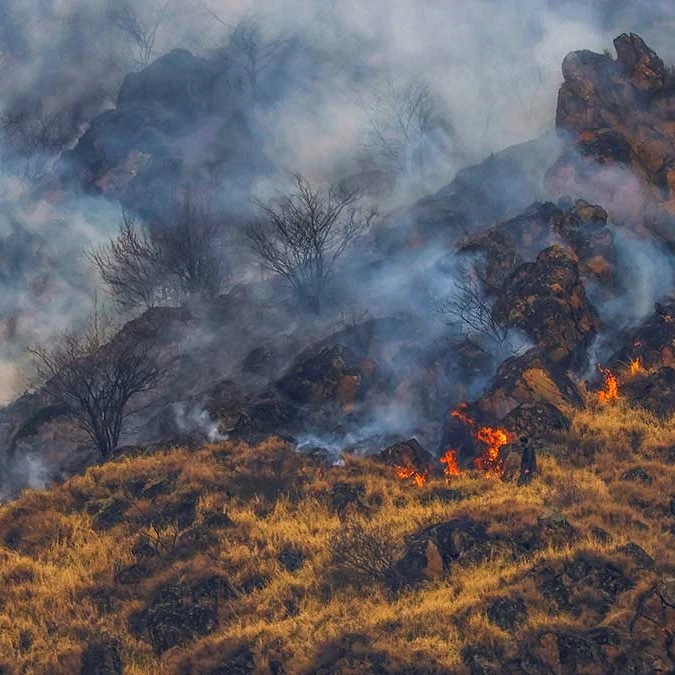
In late January 2026, multiple forest fires erupted across the Kashmir Valley, consuming large swathes of woodland, threatening residential settlements and wildlife habitats, and drawing a stark spotlight on the growing wildfire crisis in the region. Fueled by unusually strong winds and prolonged dry conditions, these fires have rapidly spread across districts such as Anantnag, Kulgam and Uri, stretching firefighting resources and raising alarm among environmental scientists, local authorities and residents alike.
This comprehensive feature examines the fire outbreaks with verified ground data, expert analysis, environmental context and the broader implications for life and ecology in the Kashmir Valley.
The Fire Outbreak: Where and How the Blazes Began
Major Hotspots: Anantnag, Kulgam and Uri
Forest fires were first reported in significant scale this week in the south and north of the Kashmir Valley:
-
Anantnag District: Blazes broke out in the Manzmoh and Verinag forest areas. Local officials confirmed flames spreading rapidly due to dry conditions and wind gusts.
-
Kulgam District: Multiple fire points emerged in Lammer, Akhal and Pranhal—locations known for dense vegetation. Fire crews were rushed in amid concern for nearby villages.
-
Uri and Surrounding Pir Panjal Range: Farther north, fires erupted in higher elevation forests, complicated by lack of moisture in undergrowth and steep terrain that hinders containment. Ground reports indicate these blazes have persisted for days.
In addition to these, adjacent regions along the Line of Control (LoC), particularly in the Poonch sector, experienced fire spread that triggered landmine explosions in mined buffer zones—escalating both humanitarian and security concerns. Independent field reports note multiple blast incidents linked to fire reaches in these restricted areas, underscoring the dangerous interplay of wildfire and military landscapes.
The Meteorological Triggers: Strong Winds and Dry Conditions
Gusty Winds Fan Flames
Meteorological data from the Indian Meteorological Department confirmed unusually strong winds at the time of the fires, with gusts reaching between 40 and 60 km/h in many parts of Jammu & Kashmir. These high-velocity winds not only accelerated the spread of existing blazes, but also helped ignite smaller fire spots by rapidly drying vegetation and carrying embers across ridges and valleys.
Widespread wind damage was reported across the region, with uprooted trees and damaged structures compounding the challenges faced by firefighting teams. Orange wind and weather alerts were issued for numerous districts, spanning populations and natural habitat areas alike.
Dry Spell and Climatic Stress
Compounding the wind factor was an extended dry spell—a period with significant deficit in precipitation and snowfall. Official forestry sources pointed to unusually low winter rain and snow accumulation, leaving forest floors dry and vulnerable to ignition. The lack of adequate moisture in soil and litter makes even minor sparks capable of growing into widespread conflagrations.
Scientists and climate observers increasingly link such dry spells in the Western Himalayas to broader patterns of climatic warming and altered precipitation dynamics. Satellite data analyses indicate a sustained decline in winter snow cover across the western Himalayan region, reducing natural fire breaks and soil moisture retention.
Underlying Causes Beyond Weather
While weather conditions critically shaped this week’s fires, environmental experts point to additional human and ecological factors:
Climate Change and Long-Term Trends
Past data show that forest fires in Jammu & Kashmir have exhibited variability but a concerning trend of persistence over recent years. In 2025 alone, 310 incidents were officially logged, affecting more than 880 hectares of forest lands.
Earlier fiscal years saw even larger figures; in 2024-25, the region recorded over 1,243 forest fire events, impacting more than 3,500 hectares—representing one of the highest recorded periods of forest fire incidence in recent decades.
Environmental scientists note that rising average temperatures, coupled with erratic precipitation and reduced snowpack, enhance the frequency and intensity of wildfire seasons in the Himalayan belt. These shifts not only expand the “fire window” each year, but also increase the severity of blazes once ignited.
Anthropogenic Factors and Negligence
Human activities—whether intentional land clearing, negligent use of fire in grazing and agriculture, or careless disposal of flammable items—have long been recognised as contributors to forest fire starts. Regional forestry notices have repeatedly urged residents near forest boundaries to avoid open flames and other fire sources, especially during dry spells.
While exact ignition sources for the latest fires are still under investigation, authorities have not ruled out human negligence as a triggering factor.
Environmental Impacts: Flora, Fauna and Fragile Ecosystems
Destruction of Forest Cover
The immediate ecological impact of forest fires is the loss of biodiverse vegetation, from towering conifers to endemic shrubs that support the mountain ecosystem. A long-term forestry analysis documented more than 5,200 fire alerts in the Kashmir region over a four-year period (2021–2025), underscoring how widespread and recurrent such events have become.
Loss of forest cover has cascading effects, including soil erosion on vulnerable slopes, disruption of water retention in soils, and degradation of natural carbon sinks—factors that amplify climate vulnerabilities.
Wildlife at Risk
Kashmir’s forests are home to many wildlife species, including deer, Himalayan birds, small mammals, and endemic flora that rely on contiguous, healthy habitat. When fire rips through these landscapes, animals are forced to flee, often into human-inhabited areas, causing stress and increasing the likelihood of human-wildlife conflict. Experts point out that habitat fragmentation from ongoing fire cycles could destabilise ecological balances and threaten vulnerable species.
Carbon Emissions and Climate Feedbacks
Forest fires release significant amounts of carbon dioxide and other greenhouse gases as biomass combusts. Combined with the decline in carbon sequestration capacity from lost vegetation, the net atmospheric impact contributes further to warming trends. A detailed regional analysis showed increasing emissions from forest degradation alongside decreased net carbon absorption over the past two decades.
Human and Community Impacts
Residential Risk and Health Threats
Villages and settlements perched at forest margins faced severe smoke exposure, threatening respiratory health—especially among elders and children. Thick smoke plumes also reduced visibility, strained local clinics with respiratory cases and heightened anxiety among families concerned about displacement or property damage.
Local administrations issued warnings for residents to stay indoors and limit outdoor activity until smoke and wind conditions abated.
Energy and Infrastructure Interruptions
Sparks and fire spread have disrupted electricity infrastructure. Transmission line damage slowed power restoration efforts, compounding the challenges in areas already reliant on hydropower and facing winter load pressures. Loss of electricity affects communication, water supply systems and emergency response coordination, adding urgency to fire containment.
Security Dimensions: LoC Tensions and Fire Risks
The intersection of forest fires with security concerns is particularly acute along the Line of Control (LoC). In areas of Poonch, ongoing fires reached mine-belt regions and triggered explosions, highlighting the dangerous overlap of environmental disasters and conflict landscapes.
Security forces responded by intensifying patrols and coordinating with firefighting agencies to ensure that containment efforts did not inadvertently cross sensitive zones, ensuring civilian safety while maintaining operational preparedness.
Response Efforts: On the Ground and Strategic Measures
Firefighting Deployment
State forest departments rapidly deployed teams to priority hotspots, using manual fire lines, water pumps and controlled burn techniques to halt spread. Authorities also leveraged local volunteers to augment efforts in remote areas, forming human chains with water buckets and shovels to protect key boundaries.
Advisories were issued urging residents and visitors to avoid forested areas until containment is achieved.
Weather and Emergency Alerts
Meteorological agencies issued weather alerts—including orange warnings for high winds and thunderstorms—to keep communities prepared. Such advisories help emergency services anticipate shifting conditions and adjust response strategies accordingly.
Institutional Preparedness
Forestry officials reaffirmed that district-level control rooms were activated for wildfire management, complete with rapid reporting protocols, equipment staging areas and interagency coordination mechanisms. These control rooms serve as critical nerve centres for tracking incidents and dispatching firefighting units.
Broader Climate Context and Long-Term Climatic Shifts
Climate scientists argue that the Kashmir fire episodes cannot be seen in isolation—they reflect broader Himalayan climatic stress patterns. Reduced snowfall, higher average temperatures and erratic precipitation events weaken the natural fire resistance of forest ecosystems. Over time, such climatic factors extend the fire season, deepen drought risk and escalate wildfire potential.
Without concerted climate mitigation actions and adaptive forest management strategies, analysts warn that Kashmir’s forests could face increasingly frequent and intense fire cycles—threatening ecological stability and community livelihoods alike.
Lessons and the Path Forward
Enhanced Early Warning Systems
Investment in real-time satellite fire alert systems and ground sensor networks can provide crucial early detection, allowing rapid response before blazes grow uncontrollable. Community-level reporting can further amplify early action.
Community Engagement and Education
Educating local populations on fire risks, safe practices near forests, and the dangers of negligent burning can reduce human-triggered incidents. Participatory forest protection committees—as seen in other fire-prone regions—could support collective vigilance and prevention.
Climate-Smart Forestry Practices
Forest management plans that integrate climate projections, prescribed burning protocols, and strategic fuel reduction zones can strengthen resilience. Reforestation with fire-resilient native species and restoration of degraded slopes should be prioritised.
Policy Integration and Long-Term Planning
Government policies must align climate adaptation with forest conservation. A long-term wildfire action strategy—with dedicated funding, cross-sector collaboration and accountability mechanisms—will be key to balancing ecological protection with community safety.
Conclusion: A Turning Point for Kashmir’s Forests
The 2026 spate of forest fires in the Kashmir Valley stands as more than a series of isolated environmental incidents—it signals a critical junction for the region’s ecosystems, climate resilience and community safety. Strong winds and dry weather have highlighted systemic vulnerabilities that climate change, human practices and ecological fragility have increasingly exposed.
Addressing these forest fires requires not only immediate firefighting response but also long-term strategic commitment. From enhancing early warning systems to integrating climate-smart policies, the road ahead must balance urgent action with sustainable stewardship of Kashmir’s irreplaceable natural wealth.