Cold Wave Intensifies in Kashmir Valley After Snowfall: Comprehensive Ground-Verified Report
By: Javid Amin | 02 January 2026
Srinagar, Kashmir Valley — A powerful cold wave has tightened its grip across the Kashmir Valley following recent snowfall in the higher reaches, plunging night temperatures deep below freezing and creating stark contrasts between sunny winter days and bone-chilling nights across the region. The situation is unfolding amid the annual winter phase locally known as Chillai Kalan, the harshest 40-day cold spell that began in late December and runs through January.
This report draws on meteorological forecasts, ground observations from multiple districts, and direct impacts on daily life, tourism, and agriculture.
Headline: A Winter Like No Other — Snowfall Brings Both Beauty and Brutality
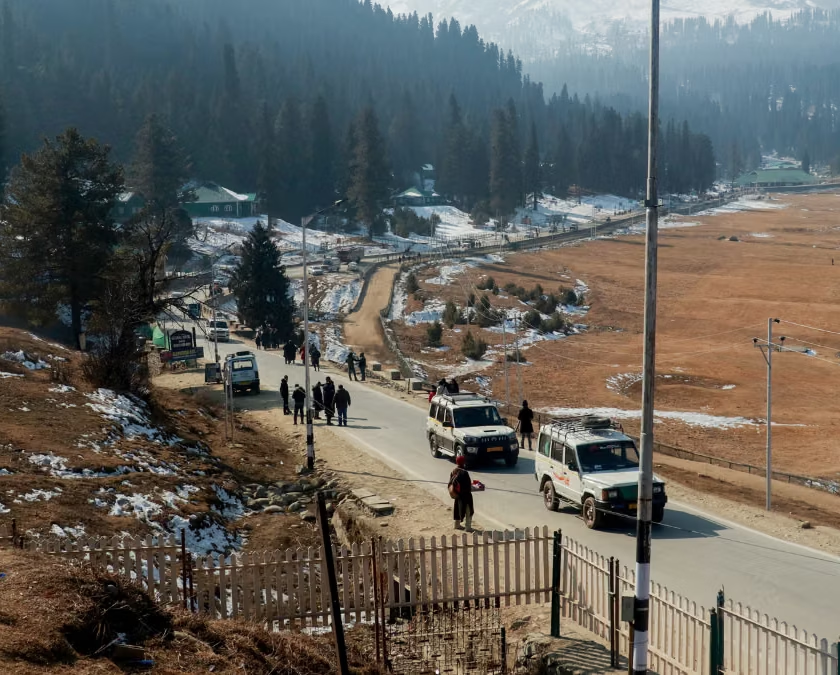
In the last 24–48 hours, light snowfall graced the higher altitudes of Gulmarg, Sonamarg, and Pahalgam, transforming these locations into classic winter landscapes that attract tourists from across India and abroad.
At the same time, plains such as Srinagar city have seen rain rather than snow, indicating a complex winter pattern where locals are experiencing a “winter paradox” — warmer daytime conditions giving way to frigid nights.
Meteorological Overview: Snow and Temperatures Dropping Further
The India Meteorological Department (IMD) and local weather services report:
-
Continued snowfall or light rain in higher reaches even as plains remain dry or rainy.
-
Night temperatures slipping below freezing at most valley locations, including Srinagar, Gulmarg, Baramulla, Shopian, and Pahalgam.
-
Dense fog episodes in early morning hours, reducing visibility and complicating travel.
Across the valley, night minimums at several stations have already dipped several degrees below zero — a hallmark of Chillai Kalan. Sri Srinagar, for instance, recorded sub-zero lows in recent days, reinforcing the severity of this winter phase.
Chillai Kalan Explained — The Harshest 40 Days of Winter
Chillai Kalan is the most severe winter period in Kashmir’s unique seasonal cycle, running from 21 December to 31 January. During these 40 days:
-
Night temperatures often drop well below freezing.
-
Snowfall chances are typically highest.
-
Water bodies and supply systems often freeze without adequate safeguards.
Meteorologists consider Chillai Kalan critical to the region’s hydrology — heavy snowfall during this period replenishes glaciers and snowpacks that eventually feed rivers and irrigation systems.
Section: Temperature Trends — How Cold Is It?
Ground observations paint a striking picture:
-
Gulmarg and Sonamarg: Consistent sub-zero readings at higher altitudes, with Gulmarg among the coldest.
-
Srinagar and Surrounding Towns: While plains may not always see heavy snow, night temperatures routinely fall below freezing, challenging infrastructure and daily routines.
-
Dense Fog and Wind Chill: Fog layers during early mornings exacerbate cold conditions and disrupt mobility.
This dramatic temperature shift makes the winter experience deceptive — bright, sunny days may lure people outdoors, but the nights are unforgiving. These conditions reflect when mountain valleys cool rapidly after sunset due to clear skies and prolonged radiation loss.
Winter Paradox: Sunny Days, Freezing Nights
The region’s winter paradox — sunny afternoons and deeply freezing nights — plays a significant role in how residents adapt their daily lives:
-
Bright and sunny days often give locals and visitors an illusion of mild weather, prompting outdoor activity.
-
Once night falls, temperatures plunge rapidly, freezing water lines, and making basic chores difficult without adequate heating or preparation.
-
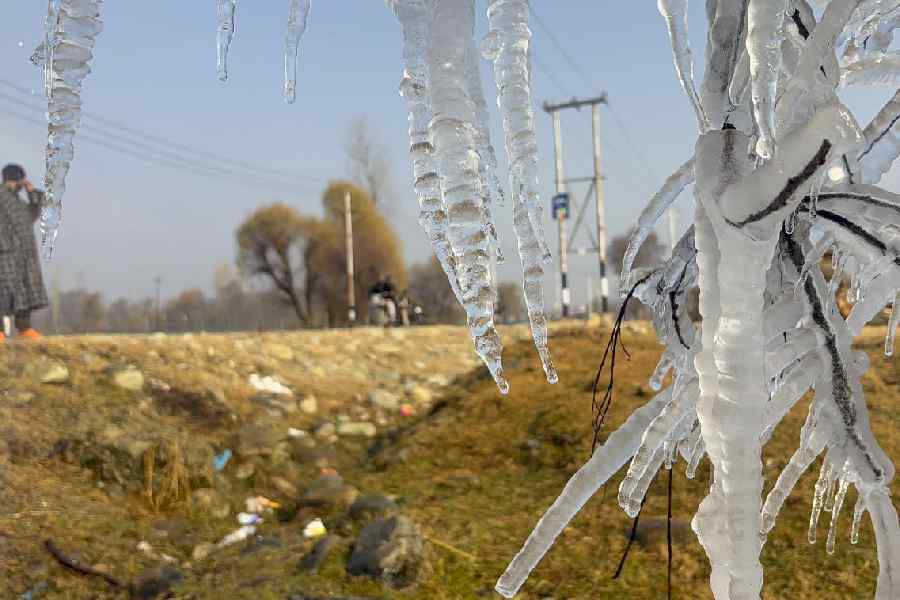
Road surfaces become icy, increasing slip hazards for pedestrians and vehicles.
This dichotomy is typical of high-altitude winter climates, where atmospheric conditions change sharply between daytime and nighttime.
Impact on Daily Life: Hardships Multiply
Frozen Infrastructure
Water taps, supply lines, and agriculture equipment are vulnerable to freezing:
-
Residents report frozen water lines and the need to manually heat pipes to maintain flow.
-
Ice buildup on roads and footpaths increases risk of falls and accidents.
Traditional heating methods like kangri (firepot) and heaters remain essential in many households to counter the nighttime cold.
Power Supply Stress
In some areas, increased usage of heaters and electric appliances has stressed local grids, occasionally contributing to disruptions, as reported in recent years under similar cold wave conditions.
Tourism: A Silver Lining Amid Harsh Cold
Despite the cold, Kashmir’s winter beauty remains a powerful draw for tourists:
-
Resorts like Gulmarg, Sonamarg, and Pahalgam see surge in bookings as snow enhances scenic appeal.
-
Hotels, guest houses, and local services report high occupancy early in the year.
Tourists often flock to experience snow-covered landscapes, skiing, and winter festivals, balancing the economic slowdown caused by cold hardships.
Agriculture and Water Concerns: The Dry Spell Challenge
One worrying aspect this winter is a relative lack of heavy snowfall on the plains during early Chillai Kalan. The snow deficit has raised concern among:
-
Saffron growers, apple orchard owners, and horticulturists, who rely on consistent winter moisture to insulate crops and replenish groundwater.
-
Water resource planners, who monitor snowpack levels that feed rivers and irrigation channels.
If snowfall remains light throughout this 40-day cold spell, long-term water availability in summer months could be affected — a consequence underscored by both weather data and agricultural stakeholders.
Environmental and Social Dimensions
The winter chill exposes broader climate and societal interactions:
-
Climate variability: Observers note seasonal deviations — such as warmer spells interrupting anticipated snowfall — which may relate to broader global climate patterns.
-
Local adaptation: Traditional clothing and architectural practices remain essential for enduring winter.
-
Public health: Prolonged cold waves can strain senior citizens and those with respiratory illnesses, emphasizing preparedness and community support.
Expert Voices: Interpreting the Cold Wave
Meteorologists emphasize that Chillai Kalan is both expected and extreme this year:
-
Night temperatures are consistently below seasonal normals. Kashmir Media Service
-
Snowfall distribution may remain uneven, with higher altitudes receiving more precipitation than plains.
Experts underscore the need for residents and authorities to prepare for prolonged cold, while tourists should monitor weather advisories to ensure safe travel.
Conclusion: Kashmir’s Winter in Full Force
The Kashmir Valley’s winter, marked by the intensifying cold wave after recent snowfall, reflects the region’s complex climatic rhythms — harsh, stunning, and influential on every aspect of life from daily routines to economic activities.
This season — defined by bone-chilling nights, periodic snow, and dry daytime spells — underscores the dual nature of Kashmir’s climate during Chillai Kalan. As the valley endures this extreme period, communities and visitors alike adapt, balancing admiration for winter’s beauty with the reality of its formidable challenges.