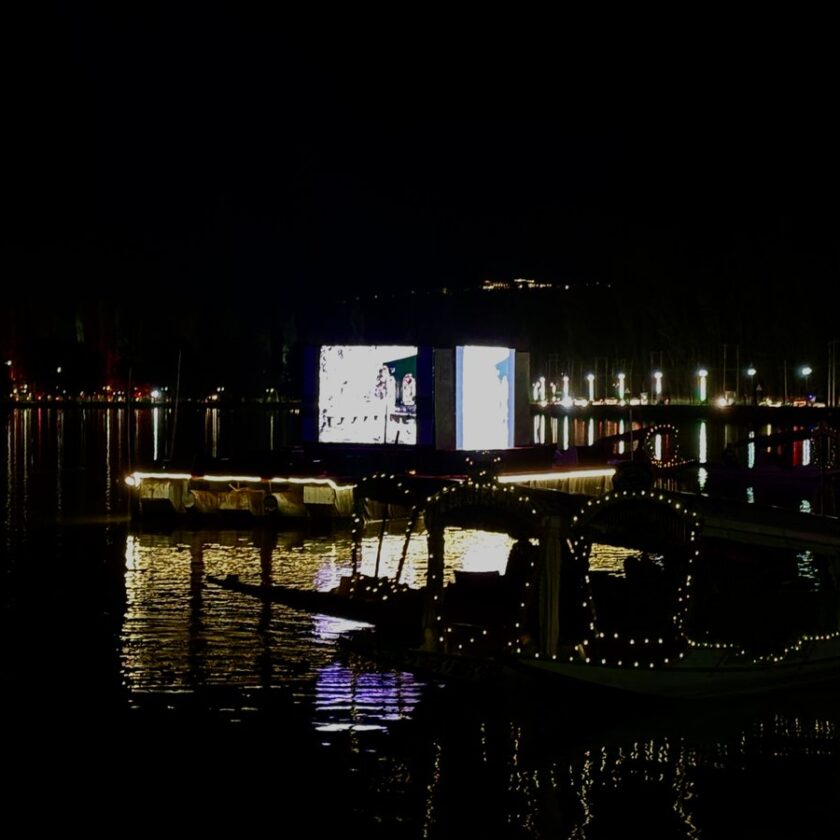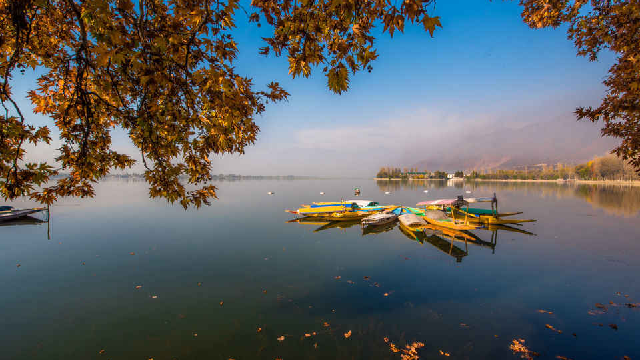
Chinar-lined boulevards, soaring bookings, global reels, and a revived local economy mark the Valley’s most vibrant season.
By: Javid Amin | 01 December 2025
Kashmir’s Autumn Turns into a Living Painting
Tourists are returning to Kashmir in remarkable numbers as the Valley enters the peak of its autumn season, with its iconic Chinar trees transforming into blazing mosaics of crimson, gold, and russet.
Across Srinagar, Gulmarg, Pahalgam, and even lesser-known destinations like Gurez and Doodhpathri, the landscape has taken on a surreal glow—drawing photographers, filmmakers, honeymooners, and nature lovers from across the world.
Autumn—locally called Harud—has always held a special place in Kashmiri memory, but this year, it has evolved into both a tourism driver and a digital sensation, with thousands flocking to capture the season’s fleeting magic.
A Season at Its Spectacular Best
Every year from mid-October to late November, Kashmir undergoes a transformation that no photograph can fully capture, yet millions still try.
1. The Chinar Explosion
The legendary Chinar tree, some centuries old, dominates the autumn landscape. Its fiery foliage sets ablaze:
-
Boulevard Road along Dal Lake
-
Naseem Bagh, home to 700+ Chinars
-
Mughal Gardens such as Nishat and Shalimar
-
Gulmarg’s meadows & forest fringes
-
Pahalgam’s riverbanks and village roads
These become natural photo studios, flooded with warm tones and rustling carpets of fallen leaves.
2. Perfect Light for Photography
The soft, diffused autumn sunlight—neither harsh nor muted—creates ideal conditions for:
-
outdoor portraits
-
drone visuals
-
cinematic sequences
-
wedding shoots
-
travel reels
This “natural golden-hour effect” lasts almost all day.
Also Read | Divine Darshan + Scenic Kashmir Holiday: Vaishno Devi, Kashmir & Amritsar Tour Packages 2025–26
Tourists Return in Big Numbers
Despite recent years of uncertainty in the region’s tourism patterns, autumn 2024–25 marks a major revival.
Hotels & Houseboats Filling Up Again
Owners report:
-
Jump in pre-bookings for November
-
High occupancy in Srinagar’s boutique hotels
-
Record demand for Nigeen and Dal Lake houseboats
-
Strong interest from honeymoon couples and photography groups
Many properties have introduced Autumn Special Packages, offering leaf-walk tours, heritage strolls, and specially curated photo circuits.
International Travelers Back Too
Visitors from:
-
UAE & Saudi Arabia,
-
Turkey,
-
Malaysia,
-
UK & Germany
are visible in Mughal Gardens and Dal Lake shikaras—often capturing slow-motion leaf falls or drone shots of saffron fields.
A Season Rooted in Culture, Memory, and Poetry
Autumn in Kashmir is more than scenery—it carries a deep emotional and cultural resonance.
Harud: The Season of Transition
Traditionally, Harud marks:
-
the end of the harvest
-
the preparation for winter
-
a time for reflection and gathering
-
peeling of walnuts
-
drying of chilies, vegetables, and herbs
It signals change, acceptance, and quiet introspection.
A Symbol in Literature
Kashmiri poets—Habba Khatoon, Mehjoor, Dina Nath Nadim—often used autumn as a metaphor for:
-
longing
-
transformation
-
impermanence
-
renewal
Today’s reels echo these sentiments visually, even without words.
Social Media Has Turned Kashmir’s Autumn into a Global Trend
1. The “Reel-World Sensation”
In the last two years, autumn visuals from Kashmir have dominated:
-
Instagram Reels
-
TikTok
-
YouTube Shorts
-
Facebook Travel Pages
Trending hashtags include:
#AutumnInKashmir #ChinarFall #KashmirDiaries #HarudSeason
Middle Eastern and European creators, in particular, have pushed Kashmir’s autumn into international feeds.
2. Viral Elements
-
slow-motion leaf showers
-
drone footage over saffron fields
-
shikara rides covered in red leaves
-
“walk through the leaf carpet” reels
-
couples recreating Bollywood scenes
3. Local Youth as Digital Storytellers
Kashmiri creators are blending:
-
traditional rabab melodies
-
folk songs
-
kahwa moments
-
kangri rituals
-
cultural snippets
to present an honest, soulful view of their homeland.
Also Read | Kashmir Winter Packages 2025–2026 | Snow Holidays, Gulmarg Ski Trips & Houseboat Stays
A Big Boost for the Local Economy
Autumn tourism directly fuels dozens of small and large livelihoods.
Beneficiaries Include:
-
Houseboat families
-
Taxi drivers & guides
-
Local photographers & drone operators
-
Saffron farmers (Pampore sees big visitor footfall)
-
Handicraft sellers in Lal Chowk & Boulevard Road
-
Café owners & bakers
-
Shikara operators
For many, autumn is becoming a second peak season, rivaling tulip bloom in April and winter snow in January.
Autumn vs Spring vs Winter: A New Tourism Trend
Traditionally, Kashmir’s tourism cycle was:
-
Spring: Tulip Festival
-
Summer: Lakes & holidays
-
Winter: Snow in Gulmarg
Now, Autumn stands shoulder-to-shoulder with them, offering:
-
warmer weather
-
surreal colors
-
uncrowded trails
-
cultural immersion
-
budget-friendly stays
Travel operators confirm that autumn bookings have grown 30–45% YoY in some sectors.
Also Read | Kashmir Winter Packages 2025–2026 — The Ultimate Guide to Snow, Gulmarg Skiing & Luxury Houseboat Holidays
Why Tourists Are Choosing Autumn 2024–26 in Kashmir
1. Weather Perfect for Walks & Photos
Pleasant days, crisp nights, no haze, and vivid color tones.
2. Iconic Saffron Season
Visitors witness:
-
purple saffron blossoms
-
hand-plucking rituals
-
drying & processing
-
saffron tasting sessions
Pampore becomes a global hotspot during late October and early November.
3. Food & Culture at Their Best
Autumn brings:
-
Harissa preparation (winter delicacy)
-
sheermal & kehwa stalls
-
fresh apples, walnuts & almonds
-
warm kangris
-
traditional pheran outfits
Brand Kashmir: A Global Four-Season Destination
Autumn is helping Kashmir achieve what tourism planners have long envisioned:
a year-round tourism identity.
Now Kashmir can confidently market itself as:
-
Spring: Tulips & blossoms
-
Summer: Lakes & meadows
-
Autumn: Chinar & saffron
-
Winter: Snow & skiing
A complete four-season tourism brand.
Future Outlook & Opportunities
1. Autumn Festivals & Cultural Trails
The government and private operators are exploring:
-
Harud festivals
-
Chinar heritage walks
-
Saffron harvest experiences
-
Autumn photography expeditions
2. Sustainable Tourism Measures
To protect the fragile ecology, stakeholders propose:
-
leaf-carpet preservation zones
-
limits on drone flights
-
responsible content guidelines
-
Chinar conservation programs
3. High Global Demand
If promoted consistently, autumn could surpass spring in tourist numbers within 3–5 years.
Bottom-Line: Kashmir’s Autumn Is More Alive Than Ever
As travelers wander beneath glowing Chinar canopies, sipping kehwa in the crisp air, or capturing reels that spread like wildfire across social media, one thing becomes clear:
Kashmir’s autumn has become a global phenomenon—equal parts natural beauty, cultural depth, and digital storytelling.
What was once a gentle, nostalgic season is now a vibrant, world-famous attraction breathing new life into tourism and local livelihoods.
Kashmir is not just witnessing autumn.
It is living it, celebrating it, and sharing it with the world—one fiery leaf at a time.