US–Israel Strike Iran’s Energy Heart as Hormuz Deadline Looms
By: Javid Amin | 07 April 2026
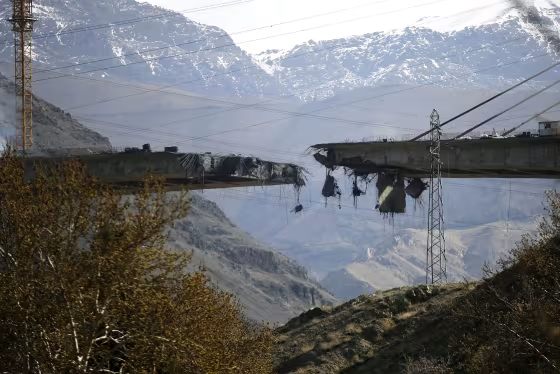
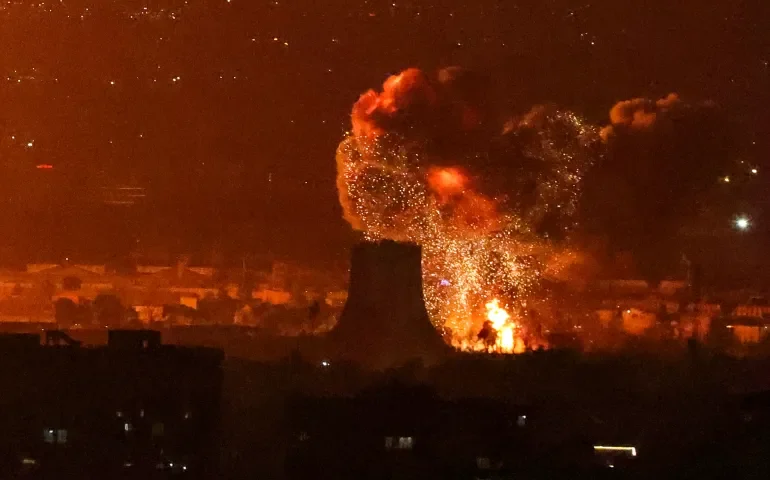
The conflict between the United States, Israel, and Iran has entered a sharper and more dangerous phase. On April 7, 2026, coordinated airstrikes by U.S. and Israeli forces hit multiple high-value targets inside Iran—including the strategically critical South Pars gas field—killing more than 25 people, according to Iranian media.
The strikes come just hours before a high-stakes deadline set by Donald Trump demanding that Iran reopen the Strait of Hormuz. Tehran has rejected the latest ceasefire proposal, signaling that escalation—not compromise—is currently the dominant trajectory.
Ground Report (April 7, 2026): Confirmed Strikes & Targets
1. South Pars Gas Field Hit: Energy Infrastructure Targeted
The most strategically significant development is the reported strike on facilities linked to the South Pars gas field—one of the world’s largest natural gas reserves and a cornerstone of Iran’s energy economy.
Why This Matters
- South Pars accounts for a major share of Iran’s natural gas production
- It is closely tied to export capacity and domestic energy supply
- Targeting it signals a shift toward economic warfare, not just military containment
If damage is extensive, it could:
- Disrupt Iran’s internal energy supply
- Reduce export capability
- Escalate global gas price volatility
This marks a clear escalation beyond conventional military targets into critical infrastructure.
2. Tehran Strikes: Urban Impact Intensifies
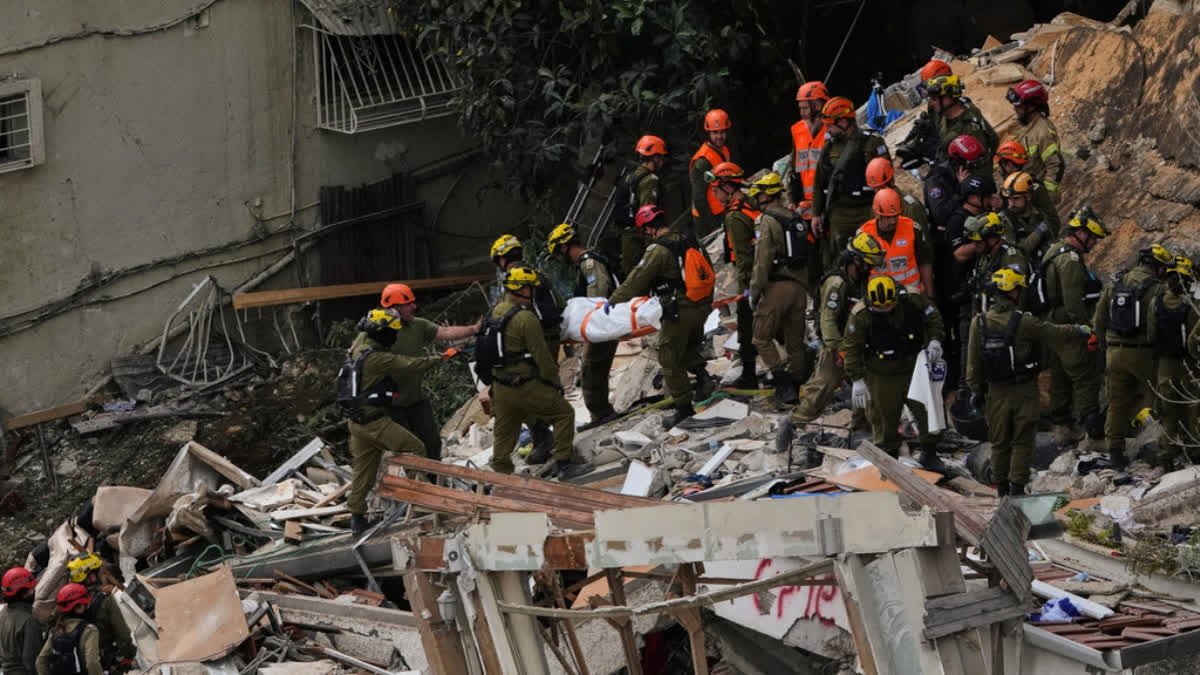
Separate airstrikes in Tehran reportedly killed at least 13 people:
- Explosions were reported near Sharif University of Technology
- Casualties include both military personnel and civilians (unverified breakdown)
- Damage appears concentrated around strategic and research-linked zones
The choice of targets suggests an attempt to degrade technical and command capabilities, but the urban setting raises serious humanitarian concerns.
3. Wider Strike Pattern Across Iran
Beyond South Pars and Tehran, multiple sites were reportedly hit:
- Military logistics hubs
- Missile launch infrastructure
- Command-and-control facilities
This pattern indicates a coordinated campaign aimed at reducing Iran’s ability to retaliate effectively.
Iran’s Response: Defiance Over De-escalation
Despite mounting pressure, Iran has rejected the latest ceasefire draft.
Key Iranian Positions
- No ceasefire without full cessation of U.S. and allied strikes
- Demand for lifting of sanctions
- Continued leverage over the Strait of Hormuz
Iran’s stance suggests it views the current moment not as a crisis to de-escalate—but as leverage to renegotiate broader geopolitical constraints.
U.S. Strategy: Pressure Through Force and Deadlines
The United States is combining diplomacy with visible military escalation:
- Trump’s deadline to reopen Hormuz remains in effect
- Strikes on energy and military targets signal willingness to escalate further
- Washington continues to support ceasefire talks—but on strict terms
The U.S. position is clear: reopening Hormuz is non-negotiable.
Strait of Hormuz: The Crisis Epicenter
The Strait of Hormuz remains closed or severely restricted, amplifying global concern.
Immediate Effects
- Oil shipments disrupted
- Shipping routes delayed or rerouted
- Insurance costs for tankers rising sharply
Global Consequences
- Oil prices surging
- Inflation risks increasing worldwide
- Energy-importing nations facing supply uncertainty
This narrow waterway has once again become the single most important geopolitical pressure point in the world.
Major Escalations (Last 24 Hours)
- US–Israel strikes hit South Pars gas infrastructure
- Over 25 reported killed across multiple sites
- 13 killed in Tehran strikes near key institutions
- Iran rejects ceasefire proposal
- Strait of Hormuz remains closed/restricted
- Trump deadline approaching rapidly
Each of these developments compounds the risk of further escalation.
Energy Markets React: Shockwaves Begin
Targeting energy infrastructure—combined with Hormuz disruption—has triggered immediate market reactions:
- Oil and gas prices are climbing sharply
- Energy traders are pricing in prolonged disruption
- Supply chain costs are rising globally
For countries dependent on Gulf energy flows, the economic impact could be severe if the crisis continues.
Regional Security: A Widening Conflict Map
The conflict is increasingly multi-front:
- Israel remains actively engaged militarily
- Lebanon risks deeper involvement amid spillover strikes
- Gulf states are on high alert, reinforcing defenses
The risk is no longer limited to bilateral confrontation—it is becoming a regional security crisis.
What Comes Next: Strategic Scenarios
1. Immediate Escalation (High Probability)
If Iran maintains its position and Hormuz remains closed:
- Expanded U.S. strikes, potentially targeting more infrastructure
- Intensified Iranian missile retaliation
- Possible naval confrontation in the Gulf
2. Last-Minute Diplomatic Breakthrough (Low Probability)
If mediators—particularly Egypt, Pakistan, and Turkey—succeed:
- Temporary reopening of Hormuz
- Limited ceasefire window
- Continued negotiations under pressure
3. Prolonged Conflict (Moderate Probability)
- Cycles of strikes and counterstrikes
- Partial disruption of energy flows
- Persistent global economic instability
Key Risks to Watch
- Further targeting of energy assets (high escalation signal)
- Mass casualty events in urban centers
- Naval confrontation in Hormuz waters
- Involvement of additional regional actors
Final Assessment: A Defining Moment in the Crisis
The April 7 developments mark a clear turning point:
- The conflict has expanded to include energy infrastructure
- Diplomatic efforts are faltering under military pressure
- The Strait of Hormuz remains the निर्णायक factor
With Iran rejecting ceasefire terms and U.S.–Israel strikes intensifying, the situation is moving closer to a broader confrontation.
Bottom Line
- Over 25 killed in US–Israel strikes, including key energy targets
- Iran refuses ceasefire without major concessions
- Strait of Hormuz remains closed, shaking global markets
- Trump’s deadline could trigger the next phase of escalation
If Hormuz is not reopened within the next critical window, the conflict risks transforming from a contained crisis into a full-scale regional war with global economic consequences.