Diplomacy Fails at the Edge: US–Iran Talks Collapse, Ceasefire Enters Critical Phase
By: Javid Amin | 12 April 2026
The fragile pause in the Middle East conflict is now at serious risk of unraveling.
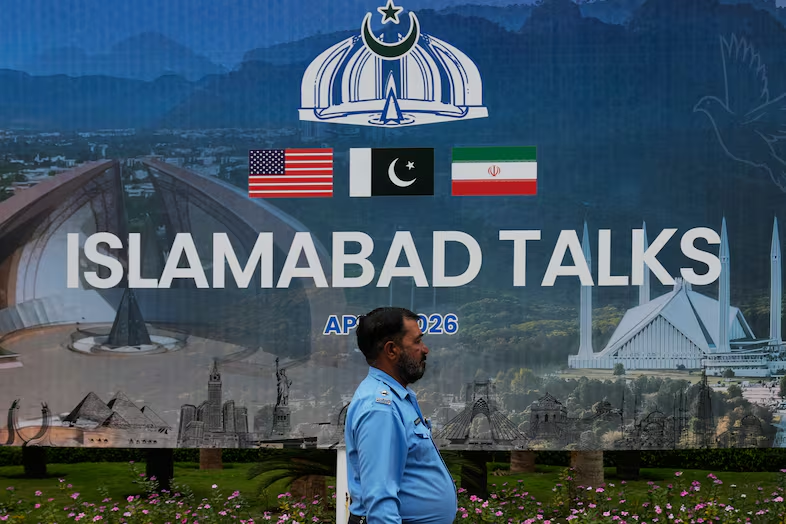
As of April 12, 2026, high-stakes negotiations between the United States and Iran in Islamabad have collapsed without agreement, marking a decisive setback in efforts to stabilize the region.
After nearly 21 hours of marathon discussions, both sides walked away—leaving behind a weakened ceasefire, unresolved nuclear tensions, and a still-contested Strait of Hormuz.
Ground Reality (April 12, 2026): What Happened in Islamabad
Talks End Without Breakthrough
JD Vance confirmed that Iran rejected what Washington described as its “final and best offer.”
Key Facts
- Negotiations lasted nearly 21 hours
- No joint statement or roadmap announced
- U.S. delegation departed immediately after breakdown
The talks were widely seen as the last viable diplomatic window before potential escalation.
Core Issues That Broke the Talks
1. Nuclear Program: The Central Deadlock
The most intractable issue remains Iran’s nuclear ambitions.
U.S. Position
- Iran must commit to not developing nuclear weapons
- Binding restrictions required
Iran’s Position
- Denies pursuing nuclear weapons
- Rejects externally imposed restrictions
- Views prior strikes on nuclear sites as bad-faith actions
This reflects a classic strategic impasse:
Verification vs sovereignty.
2. Strait of Hormuz: Economic Warfare in Focus
The Strait of Hormuz remains the most powerful lever in the conflict.
Current Status
- Iran continues to restrict shipping flows
- Reports of mine threats and controlled passage corridors
- U.S. naval presence has increased, including recent warship transits
Global Impact
- Oil supply disruptions persist
- Freight and insurance costs remain elevated
Hormuz is no longer just a bargaining chip—it is an active pressure point shaping global markets.
3. Military Trust Deficit
Both sides remain deeply mistrustful:
- U.S. and Israel previously targeted Iranian nuclear and infrastructure sites
- Iran views these strikes as violations undermining diplomacy
- Washington sees Iran’s regional actions as destabilizing
This mutual distrust prevented even a temporary confidence-building agreement.
Ceasefire Status: Holding, But Not Holding
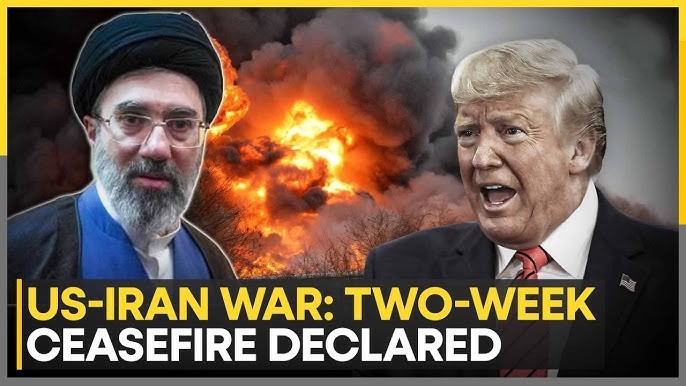
The two-week ceasefire announced earlier still technically exists—but its foundations are weakening.
Current Indicators
- No extension agreed
- Ongoing tensions across Lebanon
- Continued military readiness on all sides
This is now a “ceasefire without diplomacy”—a highly unstable condition.
Regional Ground Situation: Conflict Still Active
Lebanon Remains the Flashpoint
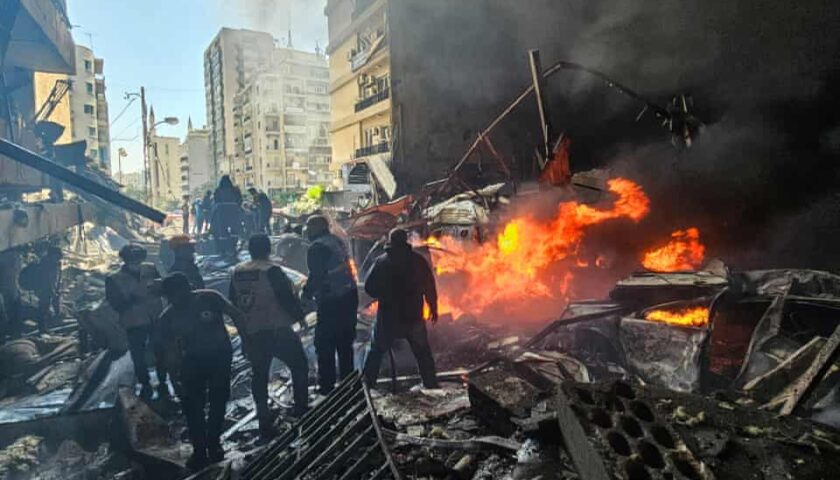
- Israeli strikes and Hezbollah responses continue
- Civilian displacement remains massive
- Humanitarian pressure intensifies
Gulf Region on Alert
- Shipping disruptions persist
- Military deployments remain elevated
Backchannel Diplomacy Weakens
Pakistan’s mediation effort has stalled after hosting the talks.
Situation Snapshot (April 12, 2026)
| Issue | Status |
|---|---|
| Ceasefire | Fragile, not extended |
| Nuclear Deal | No agreement |
| Hormuz | Restricted / partially disrupted |
| Talks | Collapsed |
| Diplomacy | No new round announced |
Strategic Analysis: Why the Talks Failed
1. Maximalist Positions
Both sides entered negotiations with:
- Non-negotiable core demands
- Limited flexibility
2. Expanded Conflict Scope
The crisis now includes:
- Nuclear issues
- Maritime security
- Lebanon conflict
Too many variables for a single negotiation track.
3. Time Pressure
The talks were:
- Rushed
- Conducted under active conflict conditions
This reduced space for compromise.
What Happens Next: Three High-Probability Scenarios
🔴 1. Escalation (Most Dangerous)
- Ceasefire collapses
- Hormuz faces full disruption
- Strikes resume across multiple fronts
Impact: Oil spikes, regional war risk
🟠 2. Managed Tension (Most Likely)
- No formal deal
- Ceasefire informally holds
- Low-intensity conflict continues
Impact: Persistent instability, volatile markets
🟢 3. Renewed Diplomacy (Less Likely, But Possible)
- Backchannel talks resume
- Limited agreements on shipping
- Gradual de-escalation
Impact: Partial stabilization
Global Implications: Why This Matters Beyond the Region
Energy Markets
- Hormuz disruption threatens ~20% of global oil supply
- Price volatility likely to continue
Trade & Shipping
- Insurance premiums remain high
- Supply chains under pressure
Geopolitical Alignments
- Potential bloc formation (U.S.–allies vs Iran–partners)
For India:
- Energy import vulnerability remains high
- Inflation risk tied directly to Gulf stability
Final Assessment: A Diplomatic Window Closes
The collapse of the Islamabad talks marks a critical turning point.
- Diplomacy has stalled
- Ceasefire is unsupported by agreement
- Strategic tensions remain unresolved
Bottom Line
- US–Iran talks in Islamabad have failed after 21 hours
- Iran rejected U.S. demands on nuclear limits and Hormuz access
- The ceasefire remains fragile and unextended
- No new diplomatic roadmap is in place
The region now enters a high-risk phase: without diplomacy, even a minor trigger could collapse the ceasefire and reignite full-scale conflict—with global consequences for energy, markets, and security.