IRGC Warns “Finger on Trigger” as Iran Alleges US Uranium Seizure Plot, Raising Nuclear Stakes in Fragile Ceasefire
By: Javid Amin | 09 April 2026
A Dangerous Shift Toward Nuclear Signaling
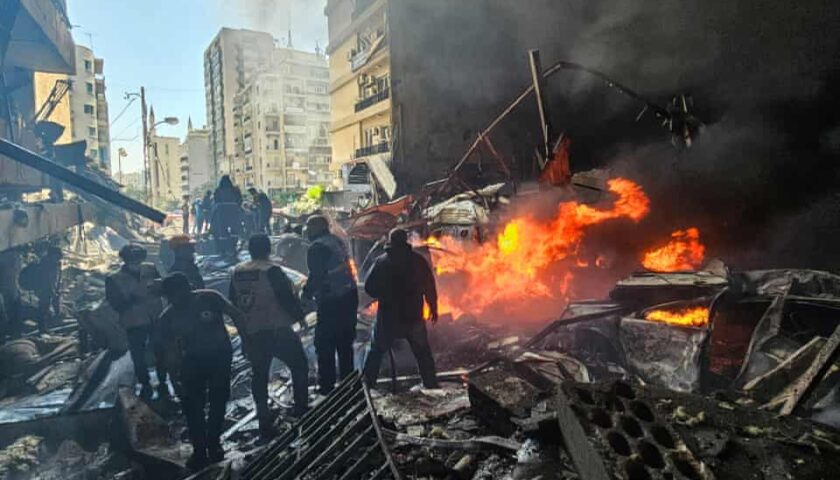
The confrontation between Iran and the United States has entered a more volatile and dangerous phase—one that now carries explicit nuclear overtones.
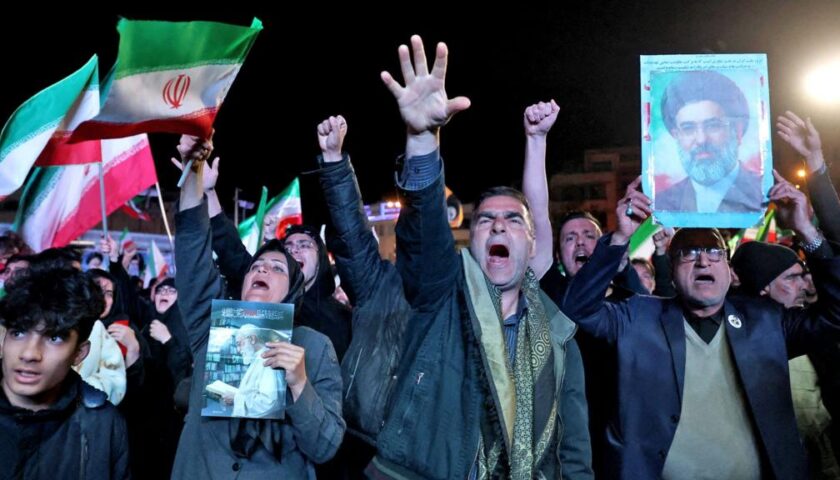
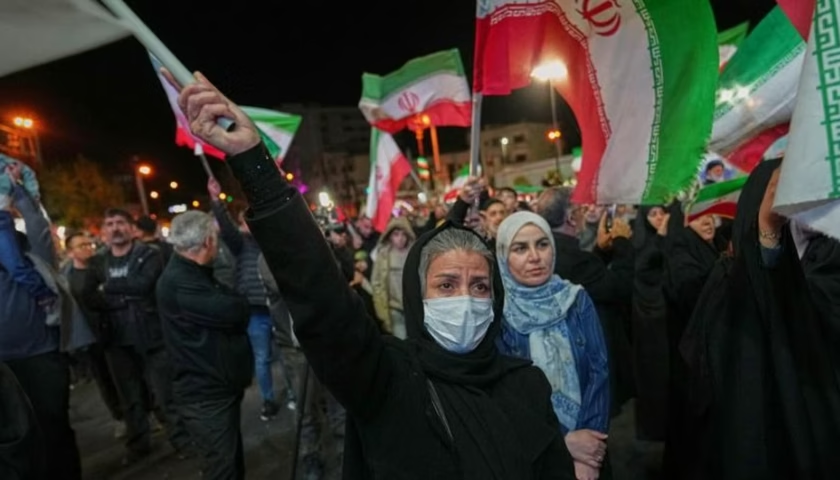
The Islamic Revolutionary Guard Corps (IRGC) has issued a stark warning: it has “no trust” in Washington and its “finger remains on the trigger.” At the same time, Iranian officials have alleged that recent U.S. military activity may have aimed to seize enriched uranium stockpiles, a claim that, if true—or even widely believed—marks a profound escalation in both perception and risk.
This is no longer just a conventional conflict. It is evolving into a strategic confrontation with nuclear implications.
IRGC’s Warning — From Deterrence to Readiness
“Finger on the Trigger”
The IRGC’s language reflects a shift from rhetorical deterrence to operational readiness:
- Forces placed on heightened alert
- Clear signaling of willingness to retaliate
- Public messaging aimed at both domestic and international audiences
Strategic Meaning
In military doctrine, such statements typically serve three purposes:
- Deterrence Signaling — Warning adversaries against escalation
- Domestic Assurance — Demonstrating strength to internal audiences
- Pre-Justification — Creating narrative groundwork for possible retaliation
Why It Matters
When paired with ongoing tensions, such statements:
- Reduce reaction time in crisis scenarios
- Increase risk of miscalculation
- Signal that escalation thresholds are lowering
Uranium Seizure Allegation — A New Flashpoint
The Claim
Iran’s Foreign Ministry has alleged that a U.S. operation near Isfahan may have been intended to capture enriched uranium stockpiles.
Verification Status
- No independent confirmation of the claim
- No official U.S. acknowledgment
- Remains a contested narrative
Strategic Implications
Even as an allegation, this introduces a new escalation layer:
- Suggests targeting of nuclear assets
- Frames conflict as existential for Iran
- Justifies stronger retaliatory posture
Nuclear Doctrine Perspective
From a nuclear strategy standpoint:
- Attempting to seize nuclear material is viewed as extreme provocation
- It may trigger asymmetric or accelerated escalation
- It complicates future non-proliferation diplomacy
Iran’s Nuclear Position — Non-Negotiable Enrichment
Policy Stance
Iran has made clear:
- Uranium enrichment will not be curtailed
- Nuclear capability is tied to sovereignty and deterrence
Strategic Framing
Tehran presents enrichment as:
- A national right
- A defense mechanism
- A bargaining tool in global negotiations
Impact on Ceasefire
This stance directly challenges U.S. objectives, making the ceasefire:
- Structurally unstable
- Difficult to extend
- Vulnerable to collapse over nuclear disagreements
Strait of Hormuz — “Irreversible Strategic Changes”
The IRGC has declared that the Strait of Hormuz has undergone “irreversible strategic changes.”
Why This Matters
Hormuz is:
- A transit route for ~20% of global oil
- A critical chokepoint for energy markets
Strategic Interpretation
Iran’s statement suggests:
- Enhanced military positioning
- Greater control over maritime access
- Reduced tolerance for foreign presence
Global Implications
- Oil price volatility likely to persist
- Shipping risks remain elevated
- Insurance and freight costs may rise
Ceasefire Under Strain — Trust Deficit Widens
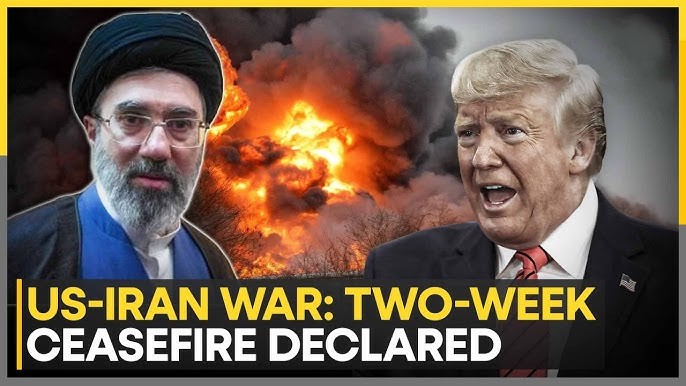
Despite the ceasefire announced by Donald Trump, the underlying dynamics remain tense.
Core Issues
- Deep mistrust between Iran and the U.S.
- Conflicting interpretations of ceasefire terms
- Continued military signaling
Structural Fragility
The ceasefire lacks:
- Enforcement mechanisms
- Mutual verification systems
- Clear long-term roadmap
Timeline — Escalation Path (April 2–8, 2026)
April 2
- IRGC: “No trust in U.S.”
- “Finger on trigger” warning issued
April 4
- Alleged uranium seizure attempt near Isfahan
April 6
- Conditional ceasefire agreed
- Iran refuses to limit enrichment
April 8
- Hormuz declared strategically altered
- Nuclear tensions intensify
Risk–Impact Matrix
| Issue | Iran’s Position | U.S. Position | Risk Level |
|---|---|---|---|
| Trust | No trust | Claims success | High |
| Enrichment | Non-negotiable | Seeks limits | High |
| Uranium Claim | Seizure attempt | Unconfirmed | Very High |
| Hormuz | Strategic control | Open navigation | High |
| Ceasefire | Conditional | Enforce compliance | Fragile |
Risks & Forward Outlook
Escalation Triggers
- U.S. pressure on nuclear program
- Confirmed or perceived attack on nuclear assets
- Maritime incidents in Hormuz
Global Risks
- Energy price spikes
- Trade disruptions
- Financial market instability
Diplomatic Outlook
- Negotiations unlikely in near term
- Trust deficit widening
- Mediation becoming more complex
Conclusion: A Conflict Entering Its Most Dangerous Phase
The IRGC’s warning and uranium seizure allegations mark a critical turning point.
This is no longer limited to:
- Infrastructure strikes
- Regional proxy conflicts
It now includes:
- Nuclear signaling
- Strategic deterrence posturing
- Global economic risk exposure
Final Takeaway
The situation is evolving from a regional military conflict into a potential nuclear flashpoint.
With:
- Trust collapsing
- Nuclear issues intensifying
- Strategic chokepoints under threat
the margin for diplomatic recovery is narrowing rapidly.
Any miscalculation now could trigger consequences far beyond the region.