Strikes Without Shutdown: Iran’s Nuclear Program Remains Intact
By: Javid Amin | 13 April 2026
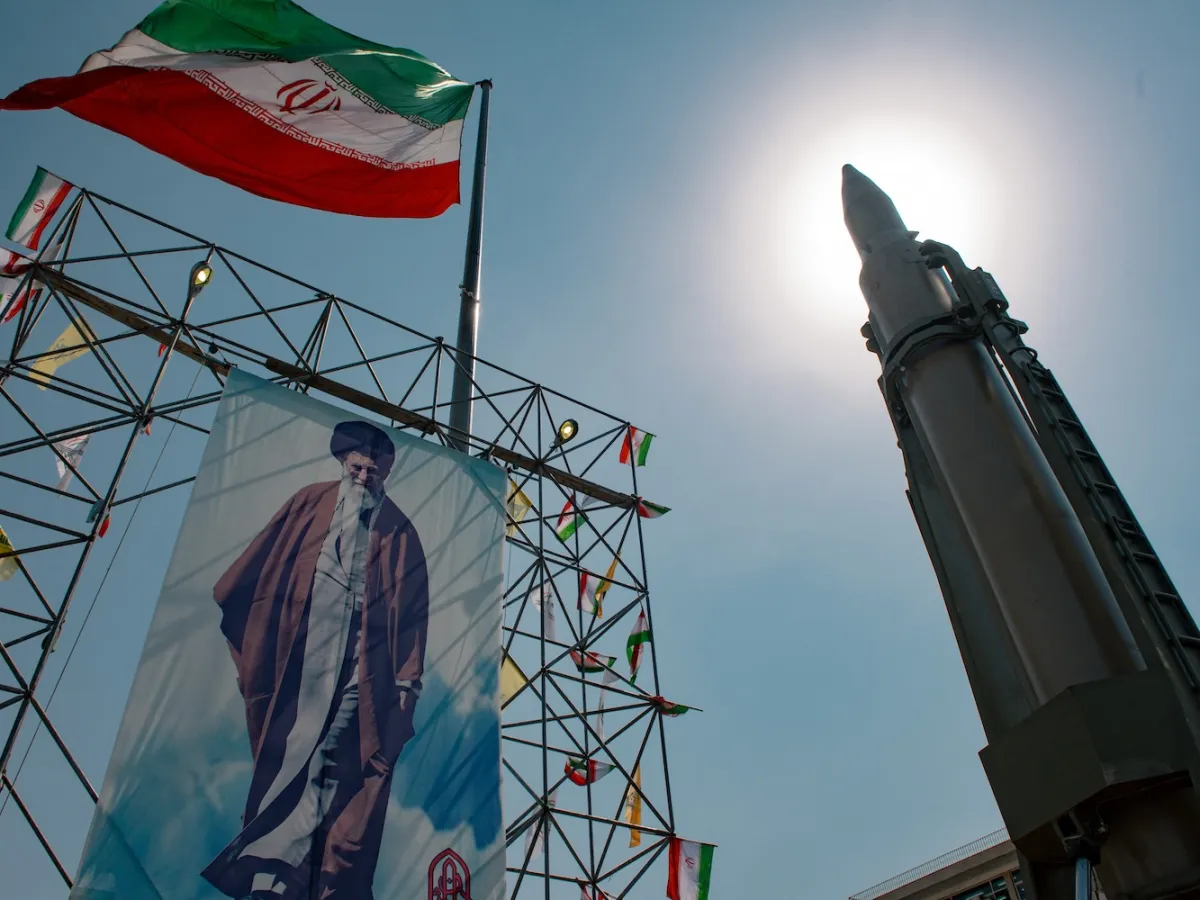
Despite one of the most extensive aerial campaigns targeting its nuclear infrastructure, Iran’s core atomic capabilities remain operational.
As of April 2026, assessments indicate that while U.S.–Israeli strikes have disrupted facilities, they have not dismantled Iran’s enrichment ecosystem. The result is a strategic paradox: visible damage, but enduring capability.
At the center of this issue is not just infrastructure—but technical knowledge, dispersed systems, and strategic intent.
Ground Assessment: What Was Hit—and What Survived
Key Nuclear Sites Targeted
The strikes focused on multiple critical nodes across Iran’s nuclear network:
- Natanz Nuclear Facility
- Fordow Fuel Enrichment Plant
- Isfahan Nuclear Technology Center
- Arak Heavy Water Reactor
- Yazd Uranium Production Complex
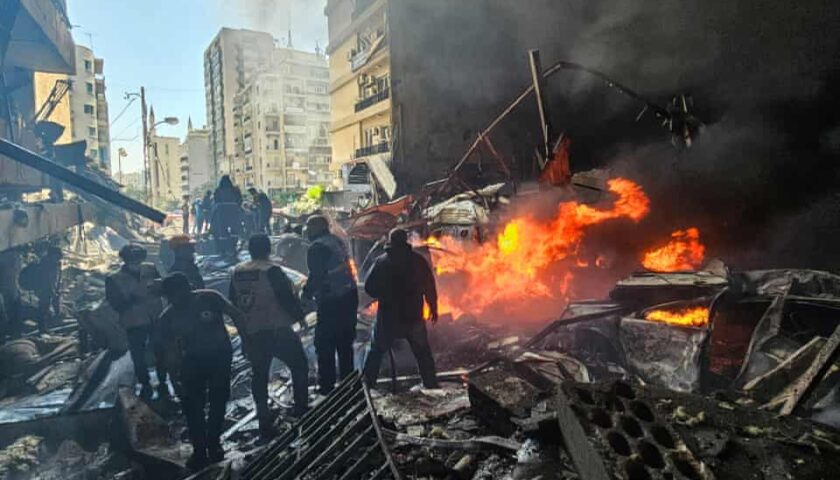
Nature of the Strikes
- Bunker-buster munitions
- Precision-guided airstrikes
- Focus on above-ground and access infrastructure
Damage vs Capability: The Critical Distinction
What Was Damaged
- Surface-level infrastructure
- Power systems and support facilities
- Conversion and fabrication units
What Survived
- Underground enrichment cascades (especially at Fordow)
- Centrifuge technology and engineering expertise
- Distributed supply chains and technical personnel
This distinction is crucial:
Nuclear capability is not just physical—it is intellectual and decentralized.
Facility-Level Breakdown
Natanz & Fordow: Core Enrichment Backbone
- Primary uranium enrichment hubs
- Sustained damage—but not neutralized
- Underground design limits strike effectiveness
Isfahan: Conversion Node
- Uranium processing disrupted
- Reconstruction already underway
Arak: Plutonium Pathway
- Heavy water infrastructure hit
- Scientific capability to restart remains
Yazd: Feedstock Processing
- Yellowcake production targeted
- Easily relocatable processes
IAEA Blind Spots: Rising Uncertainty
International Atomic Energy Agency access has been restricted in several areas.
Implications
- Limited verification of actual damage
- Uncertainty over radiation risks
- Increased suspicion of undisclosed or covert facilities
Without inspection:
- Transparency collapses
- Risk assessment becomes speculative
Weaponization Timeline: Months, Not Years
Security analysts now assess:
- Iran could potentially assemble a nuclear device within months, not years
- Enrichment capability remains sufficient
- Weaponization depends primarily on political decision-making, not technical barriers
This shifts the equation from:
- Can Iran build a weapon? → Yes (technically)
- Will Iran build a weapon? → Strategic choice
Strategic Implications
| Factor | Impact |
|---|---|
| Military Strikes | Delayed but did not eliminate nuclear capacity |
| Iran’s Internal Politics | Hardliners may push for weaponization |
| Regional Security | Heightened anxiety across Gulf states |
| Global Energy | Continued volatility tied to escalation fears |
Key Risks Ahead
1. Rapid Reconstitution
Iran has demonstrated:
- Ability to rebuild infrastructure quickly
- Redundancy in nuclear systems
2. Covert Enrichment
- Possible undisclosed facilities
- Reduced oversight due to limited International Atomic Energy Agency access
3. Escalation Trigger
Continued strikes could:
- Push Iran toward open weaponization
- Shift from ambiguity to declaration
4. Regional Arms Race
Neighboring states may:
- Accelerate their own nuclear ambitions
- Increase defense spending
- Seek security guarantees
Global Context: Nuclear Risk Meets Energy Crisis
The nuclear issue is now tightly linked with:
- Conflict over the Strait of Hormuz
- Rising oil prices
- Strategic competition between global powers
This creates a dual-risk environment:
- Security risk (nuclear escalation)
- Economic risk (energy disruption)
Strategic Analysis: Why Strikes Fell Short
1. Hardened Infrastructure
Facilities like Fordow Fuel Enrichment Plant are:
- Deep underground
- Designed to withstand airstrikes
2. Knowledge Cannot Be Bombed
- Scientists, engineers, and expertise remain
- Institutional memory intact
3. Distributed Architecture
- Nuclear activities spread across multiple sites
- Reduces vulnerability to single-point failure
What Happens Next
🟠 Scenario 1: Controlled Ambiguity (Most Likely)
- Iran maintains capability without declaring weapons
- Strategic deterrence without escalation
🔴 Scenario 2: Open Weaponization
- Iran accelerates program
- Publicly crosses nuclear threshold
🟢 Scenario 3: Negotiated Constraints
- New diplomatic framework
- Partial limits with verification
Final Assessment: Capability Intact, Risk Elevated
The April 2026 strikes have achieved a tactical delay—but not a strategic solution.
- Infrastructure damaged
- Program slowed
- Capability preserved
Bottom Line
- Iran’s nuclear facilities were hit—but not destroyed
- Enrichment capability remains intact
- Weaponization is now a political decision, not a technical barrier
- Lack of International Atomic Energy Agency access increases global uncertainty
The result: a more dangerous equilibrium—where Iran is closer to nuclear capability under conditions of reduced transparency and rising geopolitical tension.