India Braces for West Asia Shockwaves: Inside the Rajnath Singh–Led All-Party Strategy Meet
By: Javid Amin | 25 March 2026
A Crisis Far Away, But Impacting Every Indian Household
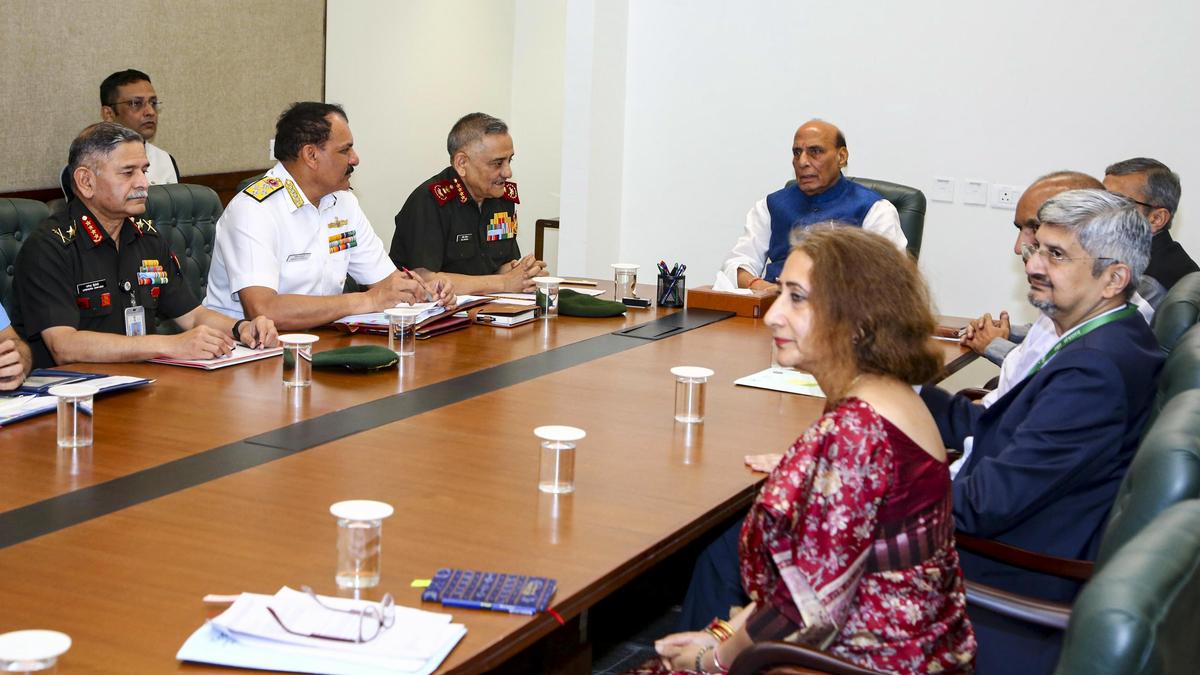
As tensions escalate in West Asia amid a volatile triangle involving Iran, Israel, and the United States, the ripple effects are being felt thousands of kilometres away in India. On March 25, 2026, a high-stakes all-party meeting chaired by Rajnath Singh in Parliament signaled that New Delhi is not taking any chances.
With key briefings from S. Jaishankar and Hardeep Singh Puri, the government laid out a multi-layered preparedness strategy—covering energy security, supply chains, fertilisers, defence readiness, and diplomacy.
But beneath the official briefings lies a deeper story—of economic vulnerability, geopolitical balancing, and political contestation at home.
Government Strategy: Preparedness Over Panic
Rajnath Singh’s Security-Centric Approach
At the core of the meeting was a strong emphasis on national preparedness. Defence Minister Rajnath Singh underscored that India is closely monitoring developments and is ready to respond to any spillover effects.
This follows his recent high-level review with the Chief of Defence Staff and service chiefs—an indication that India is factoring in not just economic risks, but also potential strategic and maritime threats.
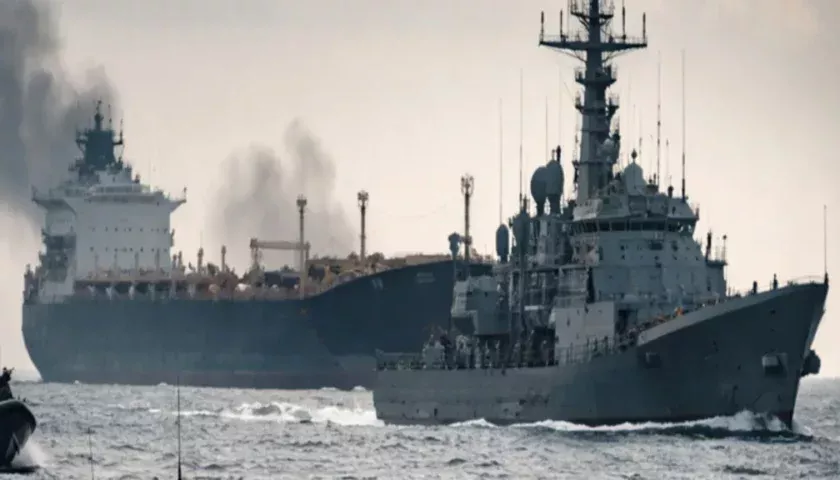
India’s defence posture, particularly in the Arabian Sea and key shipping lanes, is being recalibrated in anticipation of any escalation.
Diplomatic Balancing Act Led by Jaishankar
External Affairs Minister S. Jaishankar provided a detailed diplomatic briefing, outlining India’s calibrated stance.
India’s position is complex:
- Strong strategic ties with the United States
- Growing defence and technological cooperation with Israel
- Long-standing energy and civilisational links with Iran
Jaishankar’s approach reflects what analysts often describe as “multi-alignment”—maintaining working relationships with all sides without overtly taking positions.
India’s diplomatic messaging is expected to focus on:
- De-escalation
- Protection of trade routes
- Safeguarding Indian nationals in the region
Energy Security: The Biggest Immediate Concern
Petroleum Minister Hardeep Singh Puri’s briefing highlighted a stark reality—India imports nearly 85% of its crude oil, much of it routed through the volatile Strait of Hormuz.
Any disruption here could:
- Spike global oil prices
- Trigger domestic fuel inflation
- Impact transportation, manufacturing, and household expenses
The government has already activated an empowered group on fuel security, tasked with:
- Monitoring global oil flows
- Managing strategic reserves
- Coordinating with refiners
Seven Empowered Groups: A Crisis Management Architecture
Prime Minister Narendra Modi has constituted seven empowered groups to deal with potential fallout.
These groups are focused on:
- Fuel security
- Fertiliser supply
- Shipping and logistics
- Trade resilience
- Economic stability
This framework mirrors crisis-response models used during the COVID-19 pandemic—suggesting a whole-of-government approach.
Opposition प्रतिक्रिया: Demand for Transparency and Debate
Kharge Pushes for Parliamentary Debate
Leader of Opposition in the Rajya Sabha, Mallikarjun Kharge, questioned the government’s decision to opt for a closed-door briefing instead of a full-fledged parliamentary debate.
His argument is rooted in democratic accountability:
- A crisis of this scale warrants public discussion
- Policy decisions should be debated openly
Fragmented Opposition Response
The opposition’s response, however, has not been unified:
- Rahul Gandhi skipped the meeting due to prior commitments
- All India Majlis-e-Ittehadul Muslimeen participated
- All India Trinamool Congress chose to stay away
This fragmentation weakens the opposition’s ability to mount a coordinated challenge, even as it raises valid concerns.
Strategic Risks: Why This Crisis Matters for India
1. Energy Security: India’s Achilles’ Heel
India’s dependence on imported crude oil makes it highly vulnerable to geopolitical shocks.
Key risks include:
- Price volatility in global markets
- Supply disruptions
- Increased fiscal burden due to subsidies
Even a temporary disruption in the Strait of Hormuz could send shockwaves through India’s economy.
2. Fertiliser Supply: Silent but Critical Risk
India relies heavily on imports for fertilisers—particularly from West Asia.
Disruptions could:
- Increase input costs for farmers
- Impact crop yields
- Trigger food inflation
The government’s strategy group on fertilisers is expected to explore:
- Alternative sourcing
- Subsidy adjustments
- Emergency procurement
3. Supply Chains & Shipping Routes
Global shipping routes passing through West Asia are critical for India’s trade.
Risks include:
- Delayed cargo movement
- Increased freight costs
- Insurance premiums for shipping
This could impact everything from industrial production to consumer goods availability.
4. Defence & Maritime Security
India is also factoring in broader strategic implications:
- Increased naval surveillance in the Arabian Sea
- Monitoring of maritime choke points
- Intelligence coordination with allies
While direct military involvement is unlikely, preparedness is key.
Current Situation Snapshot
| Sector | Risk | Government Action |
|---|---|---|
| Oil & Gas | Price volatility, supply disruption | Fuel security group activated |
| Fertilisers | Import dependency | Strategy group formed |
| Defence | Regional instability | High-level readiness review |
| Politics | Demand for debate | Briefing format adopted |
On-Ground Implications for India
Fuel Prices: The First Visible Impact
Consumers may soon feel the heat:
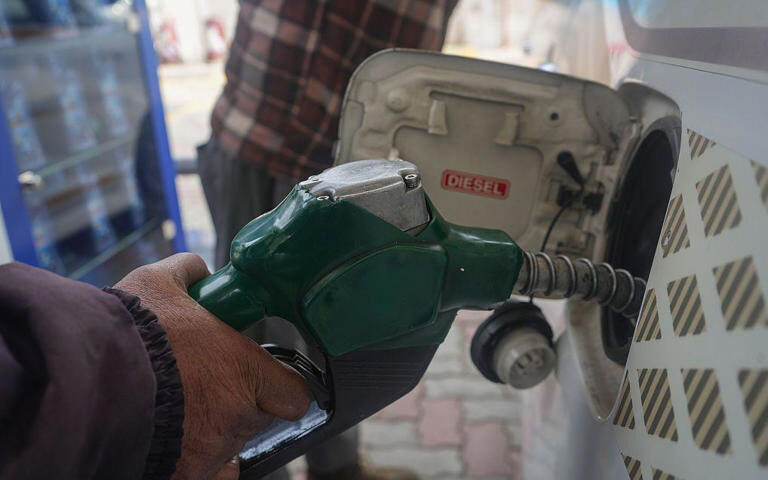
- Petrol and diesel prices could fluctuate
- Transportation costs may rise
- Inflationary pressures could build
The government may respond through:
- Excise duty adjustments
- Release of strategic reserves
Agriculture: A Delayed but Deep Impact
Fertiliser shortages or price hikes could affect:
- Rabi crop planning
- Farmer incomes
- Food prices in the long term
Diplomacy: Walking a Tightrope
India’s balancing act will be tested:
- Maintaining ties with the U.S. and Israel
- Preserving energy links with Iran
- Avoiding entanglement in regional conflicts
Politics: Consensus vs Contestation
The coming weeks may see:
- Increased opposition pressure
- Possible parliamentary debates
- Public scrutiny of government decisions
Key Decisions India May Take Next
1️⃣ Energy Security Measures
- Expansion of crude oil buffer stocks
- Diversification of import sources (Russia, Africa, Latin America)
- Coordination with domestic refiners
2️⃣ Fertiliser Strategy
- Securing alternative supply routes
- Increasing subsidies if needed
- Fast-tracking imports
3️⃣ Defence Preparedness
- Strengthening maritime surveillance
- Reviewing contingency plans
- Enhancing intelligence sharing
4️⃣ Diplomatic Engagement
- Active participation in global forums
- Quiet backchannel diplomacy
- Calls for de-escalation
5️⃣ Economic Safeguards
- Monitoring inflation
- Supporting vulnerable sectors
- Ensuring supply chain continuity
6️⃣ Political Consensus Building
- Continued engagement with opposition
- Possible joint resolutions
- Greater transparency in decision-making
Big Picture: India’s Strategic Doctrine in Action
This crisis highlights India’s evolving strategic doctrine:
- Pragmatism over ideology
- Preparedness over reaction
- Balance over alignment
India is not just reacting—it is proactively insulating its economy while maintaining geopolitical flexibility.
Conclusion: A Test of Resilience and Strategy
The March 25 all-party meeting chaired by Rajnath Singh marks a crucial moment in India’s response to the West Asia crisis.
The government’s focus is clear:
✔ Secure energy supplies
✔ Protect economic stability
✔ Maintain defence readiness
✔ Navigate complex diplomacy
However, challenges remain:
⚠ Political consensus is fragile
⚠ Economic shocks may be unavoidable
⚠ Global uncertainty is high
Final Takeaway
India is preparing defensively but strategically. The coming weeks will determine whether these contingency plans can effectively shield the economy from global turbulence triggered by the Iran–Israel–US conflict.
If managed well, this could reinforce India’s image as a resilient and responsible global power. If not, the crisis could expose structural vulnerabilities—especially in energy dependence and supply chain resilience.