Winter Snowfall Crucial for Kashmir’s Agriculture, Water Security and Economy: Experts Warn
By: Javid Amin | 09 January 2026
Winter Snowfall Is the Lifeline of Kashmir, Experts Say
Kashmir’s agriculture, horticulture, and water security are inseparably linked to winter snowfall, and any prolonged dry spell could trigger a cascading crisis across the Valley’s economy and ecology, experts have warned.
As Kashmir witnesses increasingly erratic winters, scientists, hydrologists, and agricultural specialists caution that declining snowfall is no longer just a seasonal concern but a structural threat to food production, drinking water availability, hydropower generation, and livelihoods.
Why Winter Snowfall Matters More Than Rain
Unlike rainfall, which often runs off quickly, snow acts as a natural water reservoir. Accumulated snow melts gradually during spring and early summer, feeding rivers, lakes, springs, and groundwater systems at a time when demand peaks.
Agriculture Backbone
Experts estimate that 60–70% of Kashmir’s orchards and farmlands are rain-fed, with limited access to canal-based irrigation. Winter snowfall:
-
Moistens soil before the growing season
-
Supports flowering and fruit-setting in orchards
-
Protects crops from extreme frost
Without adequate snow, crops enter spring already stressed.
Water Security Depends on Snow Accumulation
Hydrologists warn that winter snow is essential for maintaining summer water security.
Snowfall contributes to:
-
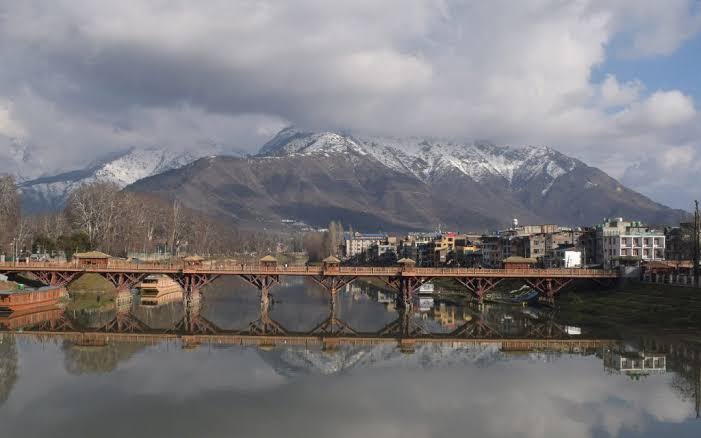
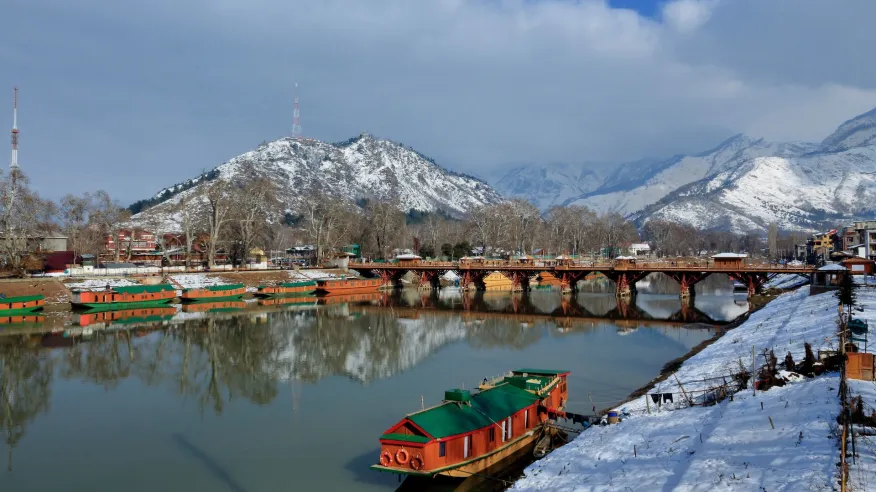
Sustained flow in rivers such as the Jhelum
-
Recharge of groundwater aquifers
-
Replenishment of lakes, wetlands, and traditional springs
A weak winter snow season often translates into drinking water shortages during summer, particularly in urban centres and upland villages.
Hydropower and Tourism Also at Risk
Hydropower
Kashmir’s hydropower projects rely on predictable snowmelt cycles. Reduced snowfall leads to:
-
Lower reservoir inflows
-
Reduced electricity generation
-
Increased dependence on external power sources
Tourism
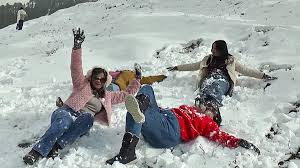
Winter tourism, especially in destinations like Gulmarg and Sonamarg, depends on consistent snow cover.
-
Thin snowfall limits skiing and snow sports
-
Shorter tourist seasons affect local livelihoods
As one tourism stakeholder remarked, “Snow is our economy. Without it, everything slows down.”
The Growing Threat of ‘Snow Drought’
Experts increasingly describe Kashmir’s situation as a “snow drought”—a condition where winter temperatures remain cold, but snowfall is significantly below normal.
Key Warning Signs
-
Snowfall deficits exceeding 40% in recent winters
-
Rising winter temperatures at higher altitudes
-
More precipitation falling as rain instead of snow
This phenomenon disrupts the Valley’s long-established hydrological rhythm.
Climate Change Is Reshaping Kashmir’s Winters
Climate scientists point to global warming and regional climate shifts as major drivers behind declining snowfall.
Observed Changes
-
Shorter snow seasons
-
Receding glaciers
-
Shrinking snow cover at mid-altitudes
-
Increased frequency of dry spells
These changes are particularly dangerous for a region whose economy and culture are deeply tied to snow.
Agriculture and Horticulture Under Stress
Impact on Crops
Low snowfall affects:
-
Apple, almond, walnut, and cherry orchards
-
Saffron fields, which require specific moisture conditions
-
Vegetable crops dependent on spring irrigation
Reduced yields can ripple across the economy, affecting thousands of farming families.
Sector-Wise Impact of Low Snowfall
| Sector | Immediate Impact | Long-Term Risk |
|---|---|---|
| Agriculture | Reduced irrigation, poor crop yields | Food insecurity |
| Horticulture | Stress on apple and saffron orchards | Loss of signature produce |
| Water Supply | Lower river flow, groundwater depletion | Drinking water shortages |
| Hydropower | Reduced generation | Energy deficits |
| Tourism | Decline in winter sports | Economic slowdown |
Experts Call for Urgent Adaptation Measures
Specialists stress that Kashmir must adapt quickly to changing winter patterns.
Key Recommendations
-
Snow Harvesting & Storage: Build small reservoirs and improve systems to capture snowmelt
-
Diversified Irrigation: Promote drip and micro-irrigation to reduce water waste
-
Rainwater Harvesting: Reduce dependence on snowfall alone
-
Climate-Resilient Farming: Encourage crop diversification and climate-smart agriculture
-
Policy Planning: Integrate climate projections into water and agriculture policies
Without timely intervention, experts warn that future winters could become even more unpredictable.
Snow and Identity: More Than Weather
Beyond economics and ecology, snow is deeply woven into Kashmir’s identity. From farming cycles to tourism, from hydropower to cultural life, winter snowfall shapes how the Valley functions.
As one expert succinctly put it:
“If Kashmir loses its snow, it loses its balance.”
Conclusion: A Critical Moment for the Valley
Winter snowfall is not a luxury for Kashmir—it is a necessity. As climate change accelerates and snow patterns shift, the Valley stands at a crossroads. Decisions taken today on water management, agriculture, and climate adaptation will determine whether Kashmir can safeguard its future or face recurring crises driven by dry winters.
The warning from experts is clear: protect the snow, or prepare for scarcity.