Uninsulated Meat Consignment Seized in Jammu Raises Serious Public Health Concerns
By: Javid Amin | 03 January 2026
When Food Safety Fails on the Road: The Jammu Meat Seizure Explained
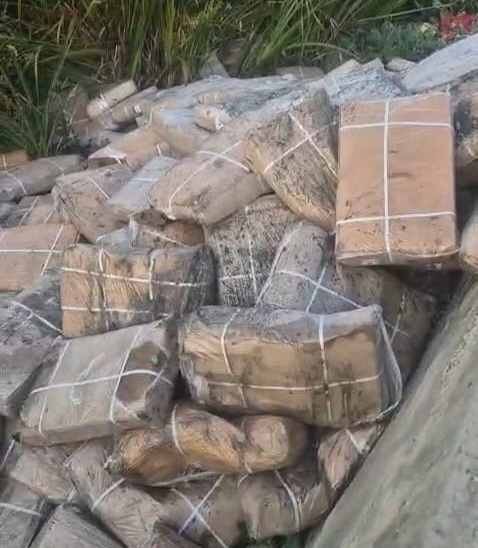
Jammu, long regarded as a critical gateway for food supplies entering the Kashmir Valley and surrounding regions, witnessed a significant food safety intervention this week when Jammu Police seized an uninsulated meat consignment during a routine vehicle inspection. What might appear to be a routine enforcement action carries far deeper implications for public health, consumer safety, and regulatory compliance in Jammu & Kashmir.
Authorities confirmed that the intercepted vehicle was transporting non-vegetarian food items without mandatory insulation, a direct violation of food safety norms prescribed under Indian law. The matter was immediately escalated to the Food Safety Designated Officer, who initiated formal inspection and legal proceedings.
This incident has reopened a larger conversation: How safe is the food reaching consumers’ plates? And are existing enforcement mechanisms sufficient to prevent health hazards caused by improper handling of perishable food?
Understanding the Incident: What Exactly Happened
According to officials, the seizure occurred during a routine naka checking drive conducted by Jammu Police. The vehicle, transporting raw meat intended for commercial distribution, failed to meet basic transportation requirements.
Key Findings at the Spot
-
The meat was not stored in insulated or refrigerated conditions
-
No temperature control mechanism was present
-
Hygiene protocols were visibly absent
-
Documentation related to safe transport was inadequate
Recognising the immediate public health risk, police officials halted further movement of the consignment and alerted the Food Safety Department.
Why Insulated Transport Is Not Optional—It’s Life-Saving
From a health perspective, meat is among the most high-risk food categories when it comes to contamination. Without proper temperature control, raw meat becomes a breeding ground for harmful bacteria within hours.
What Happens When Meat Is Transported Without Insulation?
Health experts explain that uninsulated transport exposes meat to:
-
Rapid bacterial growth
-
Cross-contamination
-
Accelerated spoilage
-
Increased risk of foodborne diseases
Common pathogens associated with improperly handled meat include:
-
Salmonella
-
E. coli
-
Listeria
-
Campylobacter
Even a short exposure to unsafe temperatures can render meat dangerous for human consumption, particularly for children, pregnant women, elderly individuals, and those with weakened immunity.
Public Health Implications: More Than Just One Vehicle
While the seizure involved a single vehicle, the health implications extend far beyond this isolated incident.
Silent Health Risks
Improper meat transport does not always result in visible spoilage. Consumers may unknowingly purchase contaminated meat that:
-
Looks fresh
-
Smells normal
-
Appears safe to cook
However, cooking does not always eliminate all toxins produced by bacteria, leading to:
-
Acute food poisoning
-
Gastrointestinal infections
-
Hospitalisation in severe cases
Legal Framework: What the Law Clearly States
India’s food safety regime is governed primarily by the Food Safety and Standards Act (FSSA), 2006, which mandates strict compliance for handling, storage, and transportation of food items.
Key Legal Requirements for Meat Transportation
-
Mandatory insulated or refrigerated vehicles
-
Maintenance of cold chain from slaughterhouse to market
-
Hygiene compliance during loading and unloading
-
Proper licensing and documentation
Violation of these norms can attract:
-
Heavy fines
-
Seizure of goods
-
Cancellation of licenses
-
Criminal prosecution in severe cases
Officials confirmed that legal proceedings have been initiated in the Jammu case, signalling zero tolerance for such lapses.
Role of Jammu Police: First Line of Public Health Defence
Traditionally viewed as law enforcement agencies, police units increasingly play a critical public health role, especially in regions with complex supply chains.
Why Police Involvement Matters
-
They are often the first point of interception
-
Routine checks act as preventive deterrents
-
Coordination with food safety officers strengthens enforcement
Senior officials noted that this seizure reflects inter-departmental coordination aimed at protecting public health rather than merely penalising offenders.
Food Safety in Jammu & Kashmir: A Growing Priority
Over the past few years, authorities in Jammu & Kashmir have intensified food safety enforcement, particularly in:
-
Meat markets
-
Dairy supply chains
-
Bakery units
-
Street food vendors
Why the Focus Is Increasing
-
Rising population density
-
High demand for non-vegetarian food
-
Increased inter-district transportation
-
Growing awareness among consumers
The current incident fits into a broader pattern of heightened vigilance rather than an isolated crackdown.
Ground Reality: Where Enforcement Often Breaks Down
Despite clear laws, ground-level enforcement faces multiple challenges:
-
Shortage of refrigerated vehicles
-
Cost-cutting by traders
-
Lack of awareness among transporters
-
Inadequate cold storage infrastructure
Health experts argue that economic shortcuts often come at the cost of public health, making strict enforcement unavoidable.
Consumer Perspective: The Invisible Risk on Dinner Plates
Consumers typically assume that food sold in markets has passed basic safety checks. However, the Jammu seizure exposes a harsh reality: unsafe food can reach markets undetected if checks are bypassed.
What Consumers Can Do
-
Buy meat from licensed vendors
-
Avoid unusually cheap meat
-
Observe hygiene standards at shops
-
Demand transparency on sourcing and storage
While responsibility lies primarily with suppliers and regulators, consumer awareness acts as a secondary safety net.
Health Expert View: Prevention Is the Only Cure
Health professionals unanimously agree that prevention is the only effective strategy against foodborne illnesses.
“Once contaminated food reaches households, damage is already done. The real intervention must happen at the transportation and storage level,” notes a senior public health expert.
The Jammu seizure is being cited as an example of timely intervention preventing potential outbreaks.
Economic vs Ethical Responsibility: A Persistent Conflict
Transporting meat in insulated vehicles costs more. However, experts argue that:
-
Public health costs are far higher
-
Hospitalisation expenses outweigh transport savings
-
Reputational damage to the meat industry is long-term
Ethically, supplying safe food is non-negotiable, irrespective of profit margins.
Editorial Analysis: Why This Case Matters Beyond Jammu
This incident is not just about one vehicle or one city. It raises national questions:
-
Are food safety norms being enforced uniformly?
-
How many unsafe consignments go undetected?
-
Is consumer health adequately prioritised?
By acting decisively, Jammu authorities have sent a clear signal to traders and transporters across the region.
Policy Implications: Strengthening the Food Safety Chain
Experts recommend:
-
Mandatory GPS-enabled refrigerated vehicles
-
Real-time temperature monitoring
-
Increased penalties for repeat offenders
-
Regular training for transporters
-
Public disclosure of violations
Such measures can transform enforcement from reactive to preventive.
Media’s Role: Why Reporting Food Safety Matters
Health journalism plays a crucial role in:
-
Raising public awareness
-
Holding authorities accountable
-
Educating consumers
-
Deterring violators
Reporting incidents like the Jammu seizure helps shift food safety from a technical issue to a public conversation.
The Bigger Picture: Food Safety Is National Security
Unsafe food weakens:
-
Workforce productivity
-
Healthcare systems
-
Public trust in governance
Experts increasingly classify food safety as a public health security issue, demanding the same seriousness as epidemics.
Conclusion: Compliance Is Not a Choice—It Is a Duty
The seizure of an uninsulated meat consignment in Jammu is a timely reminder that food safety norms exist for a reason. They protect lives, not just regulations.
By enforcing standards, authorities are not targeting traders—they are protecting families, children, and communities from avoidable health risks.
As Jammu & Kashmir strengthens its food safety framework, one message stands clear:
When it comes to public health, compromise is not an option.
Final Editorial Note
This incident underscores a growing culture of accountability in Jammu & Kashmir’s food supply chain. Sustained enforcement, combined with consumer awareness and ethical business practices, is the only path toward safer food systems and healthier communities.