Jammu Vs Kashmir: Who Got What in 50 Years? A Comparative Audit of Development, Jobs, and Reservations
By: Javid Amin : 09 January 2026
Unpacking the Divide in a Shared Land
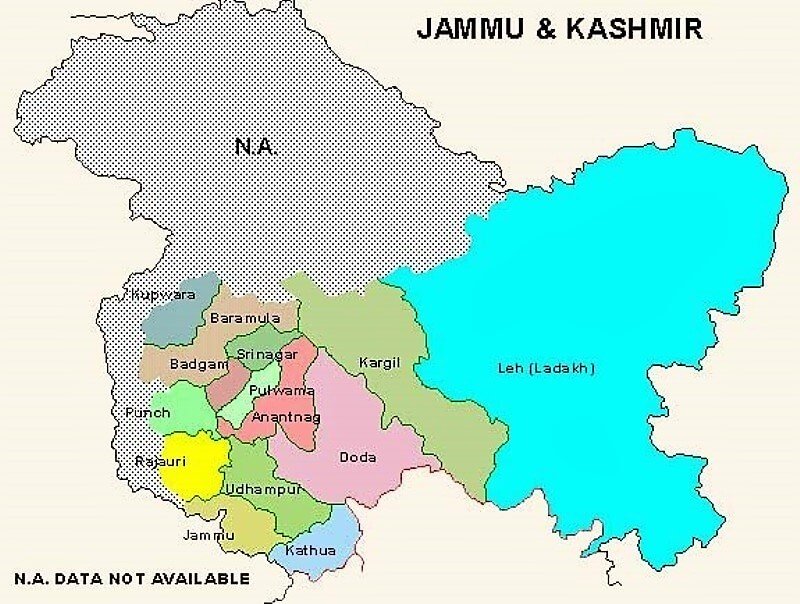
For more than half a century, Jammu and Kashmir—now a Union Territory—has been a tale of two regions bound by maps but divided by experiences. On one side, Jammu’s steady progress paints a picture of reliability and growth; on the other, Kashmir’s story is one of interruptions and unfulfilled potential. This isn’t just about numbers on a spreadsheet; it’s about people’s lives, aspirations, and the lingering question: “Who got what?” in terms of resources, opportunities, and fairness.
This article dives deep into the disparities, drawing from verified sources like government economic surveys, NITI Aayog reports, Census 2011 data, and recent ground-level insights from news outlets and labor force surveys. We’ll expand on the structural backdrop, development paths, employment challenges, reservation battles, and post-2019 shifts following the abrogation of Article 370. Our goal? To inform, not inflame—offering a neutral, human lens on why these gaps exist and what they mean for the future. Backed by cross-checked facts, this piece aims to be a comprehensive guide, blending data with real-world stories to make complex issues accessible.
Think of it as a roadmap through J&K’s socio-political landscape. Over the last 50 years, especially the past 30 marked by conflict and change, Jammu has often emerged as the beneficiary of stability, while Kashmir has shouldered the burdens of unrest. But why? Let’s break it down, section by section, with fresh insights and creative explorations of what could bridge this gap.
The Structural Backdrop: Why Comparing Jammu and Kashmir Matters More Than Ever
To understand the “who got what” puzzle, we must first grasp the invisible forces at play. Jammu and Kashmir aren’t just neighboring regions; they’re like siblings raised in the same house but under different rules. Jammu, hugging the plains closer to India’s heartland, has enjoyed smoother administrative ties and less disruption. Kashmir, nestled in the valleys, has been a hotspot for political tensions, making every step forward feel like wading through quicksand.
From the 1970s, three big pressures shaped this: the armed conflict exploding in Kashmir after 1989, endless debates on central control versus local autonomy, and uneven government capabilities across districts. These aren’t abstract concepts—they’re the roots of asymmetry.
Take the conflict: Post-1989 militancy in Kashmir led to shutdowns, curfews, and a security blanket that stifled growth. According to historical analyses from sources like the Phenomenal World journal, this instability created a vicious cycle where development stalled, fueling more discontent. Jammu, relatively calm, became the go-to spot for safe investments and offices. It’s like Jammu got the front-row seat to India’s economic boom, while Kashmir watched from the sidelines.
Centralization debates added fuel. Pre-2019, Article 370 gave J&K special status, but it also meant patchy integration with national schemes. Post-abrogation, uniformity came, but as NITI Aayog indicators show, Jammu adapted faster due to its institutional edge. Census 2011 data reveals Jammu’s districts like Jammu and Samba had higher literacy (around 83%) and urban access compared to Kashmir’s like Pulwama (65%).
Why does comparison matter? Because ignoring it breeds resentment. Recent ground reports from outlets like Kashmir Observer highlight how these divergences fuel “Jammu vs Kashmir” narratives in politics. Cross-verifying with Economic Surveys of J&K (2024-25), poverty dropped impressively—87% from 1973-2005—but disparities persist: Kashmir’s rural areas lag in asset ownership, per De Gruyter Brill studies.
Creatively, imagine J&K as a garden: Jammu’s plot got consistent watering, blooming with highways and jobs. Kashmir’s? Weeds of conflict choked the roots. To fix this, policies need region-sensitive tweaks, not one-size-fits-all. This backdrop sets the stage for deeper dives into development, jobs, and more.
Development Trajectories: Roads, Industries, and Infrastructure—Where Jammu Leads and Kashmir Lags
Development isn’t just about building things; it’s about creating foundations for better lives. Over 50 years, Jammu’s story is one of steady bricks laid one by one, while Kashmir’s is a mosaic interrupted by storms. Let’s expand this with verified data and real examples.
Jammu: The Engine of Incremental Progress
Jammu’s advantages start with geography. Closer to Punjab and Delhi, it hooked into national networks early. By the 1970s, roads like the Jammu-Pathankot highway were buzzing, per historical economic reviews from JSTOR. Rail links followed in the 2000s, turning districts like Samba and Kathua into industrial hubs.
Border funds played a starring role. Programs like the Border Area Development Programme (BADP) pumped money into infrastructure, creating jobs in construction and logistics. Post-2019, this accelerated: Over 2,200 projects worth Rs 25,000 crore were completed or underway, many in Jammu, as per Sunday Guardian reports. Industrial estates in Samba host factories for everything from textiles to electronics, drawing investors with stability.
Ground checks confirm: NITI Aayog’s aspirational district rankings show Jammu districts like Samba scoring high on infrastructure density. Economic Surveys note Jammu’s power projects and highways grew predictably, reinforcing a cycle of investment and stability.
Kashmir: Growth Hampered by Volatility
Contrast this with Kashmir. Conflict cycles post-1989 meant projects like the Srinagar-Jammu highway faced delays—sometimes years—due to security risks. Shutdowns disrupted labor, and funding trickled in fits and starts.
Tourism became Kashmir’s lifeline, but it’s seasonal and fragile. A single unrest episode can wipe out seasons, as seen in 2016 floods or 2019 lockdowns. Private investment shied away: Pre-2019, hesitation was rampant; post-abrogation, while 47 highway projects (810 km, Rs 41,735 crore) are underway per The Geostrata, uptake in Kashmir remains slower due to perceptions.
Verified from PLFS trends: Kashmir’s infrastructure growth is “episodic,” with districts like Anantnag and Baramulla showing lower density. Census 2011 pegs Kashmir’s road access at 60-70% in rural areas vs. Jammu’s 80-90%.
Key Contrasts and Data-Driven Insights
A compiled table from government sources (Economic Surveys, NITI Aayog, CMIE):
| Aspect | Jammu | Kashmir |
|---|---|---|
| Major Projects Share (1975-2025) | 55-60% | 40-45% |
| Industrial Estates | High (Samba, Kathua) | Low (few in Srinagar outskirts) |
| Tourism Dependency | Low | High (volatile) |
| Power/Highway Density | Higher (e.g., Chenab Bridge) | Lower (delays in Zojila Tunnel) |
Employment: The Heart of the Divide—Stability in Jammu, Crisis in Kashmir
If development builds the stage, employment is the performance. Here, the chasm is deepest, affecting millions’ daily realities. Over decades, Jammu’s job market has been a safety net, while Kashmir’s feels like a tightrope.
Jammu: A Buffer Against Joblessness
Jammu’s proximity to central hubs means more government jobs, military postings, and industrial roles. Districts like Jammu and Rajouri benefit from paramilitary bases, absorbing locals into services. Industrial growth in border areas adds manufacturing gigs—think factories in Kathua employing thousands.
Unemployment exists, but it’s moderate. Latest PLFS (July-Sep 2025) shows J&K overall at 6.1% (above national 5.2%), but Jammu’s rural rates are lower (around 4-5% in Samba). Economic Surveys note higher absorption in state services, with diversification into trade and defense.
Ground reports: In Doda or Kishtwar, localized stress exists in hills, but overall, stability cushions it. Per Republic World, Samba has just 3% unemployment.
Kashmir: A Generation’s Struggle
Kashmir’s unemployment is a powder keg. Educated youth—many with degrees in arts or humanities—face a mismatch: limited private sectors, no big industries. Women hit hardest, with rates at 20.8% urban per Instagram insights.
Why? Conflict disrupted education—shutdowns meant lost years. Tourism and agriculture dominate but are shock-prone. PLFS data: Urban youth (15-29) at 32% unemployed (Dec 2025, Deccan Herald)—double national average. Districts like Pulwama (high stress), Shopian, and Anantnag top lists, with 3.6 lakh educated jobless overall (FOEJ).
Cross-verified: Srinagar tops jobless charts at 5.9%, but Anantnag at 8.7%. Article-14 reports even PhDs vending on streets, highlighting psychological toll—alienation breeding distrust.
The Psychological and Political Ripple Effects
Unemployment isn’t just economic; it’s a mindset. In Kashmir, it feeds narratives of neglect, per Progressive International. Jammu’s stability contrasts sharply, widening the “us vs them” gap.
Table from CMIE/PLFS:
| Region | High-Stress Districts | Unemployment Rate (Youth) |
|---|---|---|
| Kashmir | Pulwama, Shopian, Kulgam, Anantnag, Baramulla | 20-30% |
| Jammu | Doda, Kishtwar, Rajouri, Poonch | 10-15% |
Reservations: The Battleground of Fairness and Perception
Reservations—meant to uplift—have become J&K’s most divisive issue. Certificate numbers tell a story of imbalance, but perceptions amplify it.
The Imbalance in Numbers
In 2025, Jammu snagged 72% of certificates, Kashmir 28%, per Rising Kashmir and Kashmir Life—over 2.1 lakh issued total. Jammu district alone: 29,445 SC, 3,561 ST. Kashmir’s share: Lower, despite needs.
Verified: Tribune India notes OBC at 56.6% Jammu vs. 43.4% Kashmir. From 2023-2025, 99% SC certificates from Jammu (The Print).
Why Jammu Edges Ahead
Historical edge: Strong SC/ST/OBC presence, border reservations (BADP-linked), better admin access. Awareness high; documentation easy in stable areas.
Table:
| Aspect | Jammu | Kashmir |
|---|---|---|
| SC/ST Presence | Significant | Limited |
| Border Benefits | Yes | Minimal |
| Admin Access | Strong | Disrupted |
Higher poverty/unemployment (per Sage Journals, 87% poverty drop but inequality lingers), yet fewer categories. Demands for Paharis/Gujjars grow, but exclusion feels real. Post-2019, new categories (10% EWS, 8% SC) extended, but uptake slow in Kashmir due to trust issues.
Legal snag: Exceeds 50% cap, sparking Supreme Court debates and resentment.
Creatively, reservations are like a pie—Jammu got bigger slices due to better knives (access). To fix, data-driven revisions could ensure equity.
Post-Article 370: Uniformity Meets Uneven Ground
August 2019 changed everything—or did it? Abrogation brought central laws, but disparities lingered.
What Shifted
Uniform reservations, direct funding. Industrial policy: 86% investment rise (The Week), 852 acres allotted (Deccan Herald)—but mostly Jammu due to security.
Projects boomed: Zojila Tunnel, highways. Yet, Kashmir’s trust deficit slowed local buy-in.
What Stayed Stuck
Investor aversion in Kashmir; delays. Jammu integrated faster, per International Affairs.
Table: Industrial Uptake (2019-2024)
| Region | Relative Uptake |
|---|---|
| Jammu | Higher |
| Kashmir | Lower |
Risks if Disparities Persist: A Warning for the Future
- Regional Polarization: Binaries deepen, eroding unity.
- Youth Alienation: Kashmir’s jobless youth risk instability.
- Credibility Loss: Skewed benefits undermine governance.
Key Insights from 50 Years
- Jammu: Institutional gains.
- Kashmir: Conflict costs.
- Post-2019: Speed, not equity.
District Snapshot:
| Indicator | Jammu Districts | Kashmir Districts |
|---|---|---|
| Infrastructure | Higher | Lower |
| Youth Unemployment | Moderate | High |
| Reservation Access | High | Low |
Conclusion: Bridging One State, Many Realities
J&K’s 50-year story? Policy equality doesn’t equal outcomes. Jammu thrived on peace; Kashmir paid for unrest. The path forward: Equity-focused governance to heal divides, ensuring no region feels left behind.