Jammu Medical College Row Explained: Anatomy of a Controversy That Shook the Region
By: Javid Amin | 07 January 2026
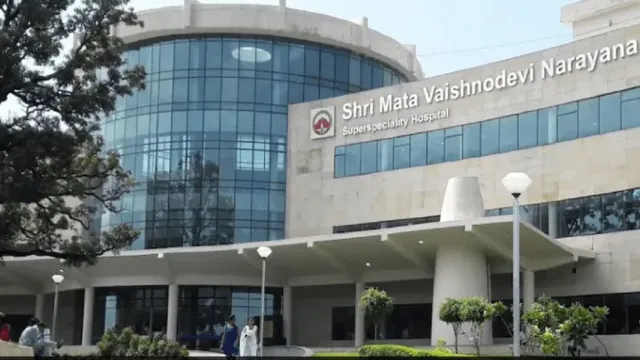
On January 6, 2026, the National Medical Commission (NMC) made an unprecedented regulatory move: it revoked the Letter of Permission (LoP) previously granted to the Shri Mata Vaishno Devi Institute of Medical Excellence (SMVDIME) in Reasi district, Jammu and Kashmir, effectively withdrawing its licence to offer MBBS education for the 2025–26 academic year. The decision instantly became the centre of a major socio-political storm across the Union Territory and national media.
This feature examines how the dispute began, the regulatory basis for the NMC action, the political and communal reactions from across Jammu & Kashmir, the implications for students and healthcare, and what the future may hold for the college and medical education in the region.
How the Controversy Began: Admissions, Protests, and a Broader Debate
The initial spark in what became widely known as the Jammu Medical College Row was not a regulatory finding but an admission list.
In the first batch of the MBBS programme at SMVDIME for the 2025–26 academic session, 42 out of 50 seats were filled by students from the Muslim community, with only a small number taken by Hindu and Sikh students.
Because SMVDIME is managed by the Shri Mata Vaishno Devi Shrine Board, an institution funded largely through donations from Hindu pilgrims, several groups and organisations in Jammu alleged that the admissions outcome was unfair and discriminatory against the local majority community. This led to protests and demands that the admissions be revoked, Hindu students be given priority, or that the college be designated a “minority institution.”
Admissions According to Merit, Not Religion
University officials and medical education experts pointed out that admissions were conducted strictly according to NEET (National Eligibility-cum-Entrance Test) merit, in line with NMC and national counselling rules. There was no religion-based reservation or quotas involved because SMVDIME was not classified as a minority institution under law.
Nevertheless, the protests gained traction within parts of the Jammu community, with local trade bodies and political representatives amplifying claims of under-representation of Hindu students — especially given the symbolic and financial ties of the institution to the Shri Mata Vaishno Devi shrine. These tensions transformed a typical admission cycle into a larger socio-political flashpoint, touching on issues of representation, identity, and fairness in educational access.
Why the National Medical Commission Withdrew Recognition
While public focus was on admissions, the NMC action was driven by separate regulatory concerns relating to standards of medical education.
Regulatory Inspection and Findings
Following several complaints, the NMC’s Medical Assessment and Rating Board (MARB) carried out a surprise inspection of the SMVDIME campus in January 2026. The inspection reportedly revealed serious and “gross deficiencies” across key regulatory parameters necessary for running an undergraduate medical college.
The major lapses identified by the commission included:
-
Insufficient faculty: A significant deficit in the number of full-time professors, lecturers, and tutors compared with NMC norms.
-
Lack of clinical material: Patient load, bed occupancy and clinical cases — critical for hands-on medical training — were far below the required minimum thresholds.
-
Inadequate infrastructure: Laboratories, lecture theatres and other essential teaching facilities were incomplete or below the prescribed standards.
-
Deficient hospital services: Outpatient department (OPD) attendance, bed occupancy statistics, and intensive care services were assessed as inadequate for effective medical education.
Under the National Medical Commission Act, 2019, and associated regulations governing assessment and rating, such non-compliance is considered a breach of the conditions attached to the granting of an LoP. Based on these findings, the NMC withdrew approval without retroactive adjustments.
Regulatory, Not Communal — Official Position
The NMC has publicly maintained that its decision was based entirely on regulatory grounds — not on the admissions controversy. Officials emphasised that ensuring minimum standards for medical training is critical to protect student interests and patient safety, and that the revocation was in line with its mandate to uphold quality in medical education.
However, because the timing of the decision overlapped with rising protests, many commentators noted that the regulatory move amplified political interpretations, allowing critics and supporters to frame it through communal and regional lenses.
Reactions Across Jammu and Kashmir: Politics, Society, and Student Angst
The withdrawal of recognition triggered a wave of responses across the region — from political leaders, community groups, student bodies, and healthcare stakeholders.
Valley and Regional Parties
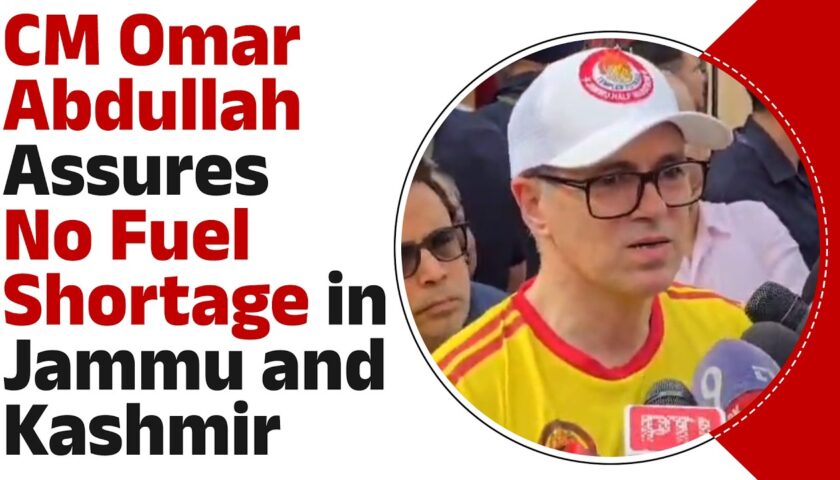
Political figures from the Kashmir Valley, including Chief Minister Omar Abdullah, strongly condemned the NMC action as counterproductive and politically charged. Abdullah explicitly criticised the protests and attributed the collapse of the institution’s prospects to political agitation, describing it as “a loss for Jammu’s future doctors” and a setback for educational infrastructure.
In broader statements, several regional parties characterised the situation as one where communal politics had eclipsed considerations of educational opportunity and regional development.
Jammu Groups and Right-Wing Organisations
In contrast, organisations and political actors from parts of Jammu celebrated the NMC decision, declaring it a victory against what they termed an “unfair” admission outcome. Supporters framed the withdrawal as corrective action, insisting that the college should reflect the interests of the local community and the institution’s cultural heritage.
A section of right-wing groups and Hindu bodies had been actively campaigning against the original admission list, advocating for preferential treatment of Hindu students given the shrine’s Hindu visitor base, and suggesting that religious identity should inform admissions.
Students and Faculty: Anxiety Over Future Prospects
Perhaps the most poignant voices emerged from students and faculty directly affected by the revocation. Many enrolled MBBS students now find their academic year abruptly destabilised, with concerns about continuity of education and career progression. Faculty members echoed uncertainty, questioning how quickly deficiencies could be rectified and whether the institution could realistically reopen in time for the next academic cycle.
Authorities have moved quickly to reduce disruption. The NMC has authorised the Jammu and Kashmir administration to transfer all currently enrolled students to other recognised medical colleges within the Union Territory as “supernumerary seats” — that is, additional to regular sanctioned intake — so that no student loses an opportunity to continue MBBS training.
This administrative directive has offered some relief, but students still face the emotional and academic costs of relocation, adjustment to new campuses, and uncertainty about long-term degree completion pathways.
What the Controversy Reveals: Education, Communal Politics, and Regional Dynamics
The Jammu Medical College Row cannot be summarised merely as a regulatory enforcement issue or an admission dispute. It has exposed deeper structural, political, and social fault lines within the region.
Regulatory Oversight and Quality Assurance in Medical Education
India’s medical education landscape has long grappled with balancing expansion of seats against quality and compliance standards. The NMC’s action underscores its statutory role to ensure that institutions seeking to train future doctors must meet strict infrastructure, faculty, and clinical criteria. Experts suggest that cases like SMVDIME highlight the need for rigorous planning and investment before new colleges are sanctioned.
Communal Politics and Meritocracy
The protests triggered by the demographic composition of the first batch — a consequence of merit-based selection through NEET — have opened debate on whether meritocracy or community representation should govern admissions, especially in institutions with cultural or religious affiliations. Academics and legal experts caution that deviating from merit-based criteria on communal lines could undermine constitutional principles governing equal opportunity in public education.
The event has also reignited discussions over whether educational institutions with cultural or religious affiliations ought to seek formal “minority status” to permit community-centric policies — a legally nuanced and contested area of Indian law.
Regional Divide: Jammu vs. Kashmir
For years, Jammu & Kashmir has contended with perceptions of imbalance between the Jammu and Kashmir regions in governance, resources, and representation. The medical college controversy has sharpened these tensions, with actors in both regions interpreting the events through regional identity frames.
In Jammu, the institution was seen by many as a long-awaited boost to education and healthcare infrastructure — one that should benefit local students. In the Valley, skepticism arose over the politicisation of educational processes and concerns about fairness and opportunity.
Path to Revival: Can SMVDIME Regain Recognition?
Despite the setback, multiple education experts and policy analysts believe it is not impossible for SMVDIME to regain its MBBS recognition — provided it undertakes a comprehensive remediation strategy that addresses the deficiencies identified by the NMC.
Key corrective steps would likely include:
-
Recruitment of qualified full-time faculty to meet or exceed NMC ratios.
-
Strengthening hospital services and clinical load to ensure sufficient patient exposure for students.
-
Upgrading physical infrastructure, labs, libraries, hostels, and teaching amenities to conform with regulatory norms.
-
Transparent compliance reporting and readiness for periodic inspections without notice.
If these conditions are met, the institution could reapply for a Letter of Permission and seek reinstatement of its MBBS programme in subsequent academic cycles. However, this path will require careful planning, resource mobilisation, and trust rebuilding among stakeholders.
Healthcare Impact: A Setback for a Region in Need
Beyond politics and admissions lists, the loss of a medical college has real consequences for healthcare access and capacity in Jammu & Kashmir — a region that historically faces shortages of trained medical personnel and limited healthcare infrastructure compared with other Indian states and union territories.
Establishment of a fully functional medical college — complete with a teaching hospital — can dramatically improve local clinical services, specialist availability, and retention of medical professionals. The revocation of SMVDIME’s recognition represents a temporary setback in this broader developmental goal.
Conclusion: A Story Beyond a College
The Jammu Medical College Row stands at the intersection of regulatory policy, communal politics, regional identity, and the future of medical education in India. It reinforces that governance of professional education must be anchored in law and quality standards, and that social tensions — when left unchecked — can escalate technical issues into broader societal fault lines.
As India continues to expand and reform its higher education ecosystems, cases like SMVDIME should prompt reflection on how to integrate merit, representation, regulatory rigor, and community interests without compromising core principles of fairness and excellence.
Whether SMVDIME ultimately reopens as a recognised medical college or becomes a cautionary tale of oversight and politicisation remains to be seen. What is clear, however, is that the episode has left a lasting imprint on the education and political landscape of Jammu & Kashmir.