Rotten Meat Scandal in Kashmir: Mirwaiz Umar Farooq Demands Transparency, Accountability & Urgent Food Safety Reforms
By: Javid Amin | 05 December 2025
A governance lapse becomes a moral crisis as Kashmir’s top religious leader amplifies public anger and calls for decisive action.
A Scandal That Shook Public Trust
Kashmir has weathered countless challenges—political, economic, environmental—but few issues strike as close to home as something as basic and universal as food safety. When the Food and Drugs Administration (FDA) uncovered tonnes of rotten, unlabelled, and potentially unlawful meat being sold across the valley, it sparked widespread public outrage. What should have been a routine regulatory exercise instead exposed structural weaknesses, oversight failures, and complacency that threatened the health of thousands of people.
The scandal did not remain confined to bureaucratic circles for long. It spilled into homes, neighbourhoods, mosques, and markets. Kashmiris demanded answers:
How long had this been happening? Who was responsible? How could it go unchecked in a region dependent on meat as a dietary staple?
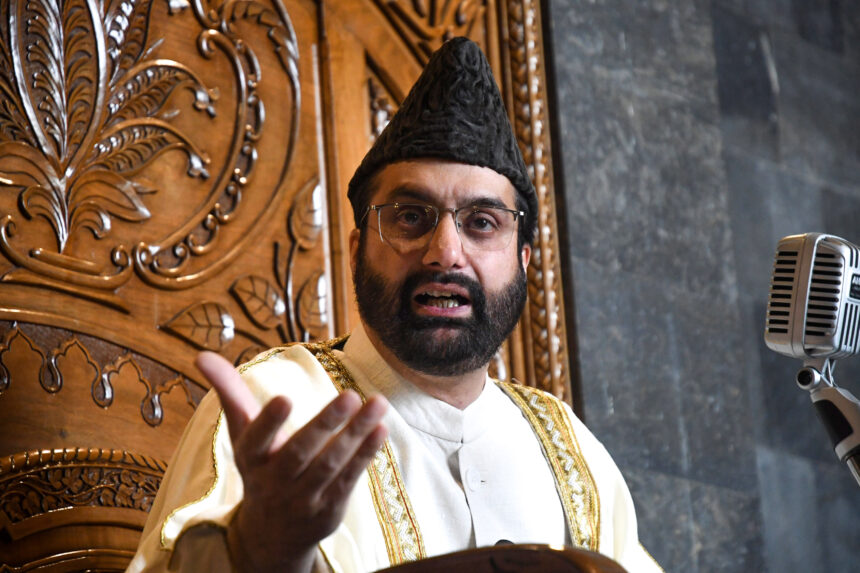
Into this swirling debate entered a powerful voice—Mirwaiz Umar Farooq, Kashmir’s chief cleric and leading religious figure. His Friday sermon at Jama Masjid Srinagar reframed the scandal as not just a governance failure but a moral betrayal. His demands for transparency, accountability, and reform have added new urgency to a crisis that has already shaken public trust.
This comprehensive feature unpacks the scandal, the community’s response, Mirwaiz’s intervention, and what this incident reveals about broader systemic issues within food regulation in Kashmir.
The Rotten Meat Scandal: How It Unfolded
The scandal broke when teams of the Food and Drugs Administration (FDA) carried out surprise inspections in different parts of Kashmir. What they discovered was alarming:
-
Tonnes of rotten and foul-smelling meat
-
Unlabelled products with no traceability
-
Storage in unhygienic, unauthorized facilities
-
Meat transported without safety protocols
-
Unverified supply chains and dubious sourcing
Residents who followed the news recoiled in shock. Meat in Kashmir is not merely food; it is deeply woven into cultural habits, winter resilience, and community gatherings. The idea that substandard and potentially dangerous meat had quietly infiltrated the market was more than disturbing—it felt like a violation of trust.
FDA Seizures: A Troubling Picture
The FDA confiscated and destroyed the rotten consignments, issued warnings, and initiated legal and regulatory action. But the revelations also raised questions:
-
How long had the malpractice been going on?
-
Who all were involved?
-
Were inspectors negligent or outnumbered?
-
Why were routine checks unable to detect the issue earlier?
People soon realized that this was not a minor infraction—it was a systemic breakdown.
Public Outrage and Heightened Anxiety
Word spread quickly across the valley. Local marketplaces saw anxious buyers questioning their butchers. Household kitchens revisited their meat purchases with suspicion. Hospitals quietly began preparing for potential gastrointestinal cases. Social media, Kashmir’s parallel public square, erupted in condemnation.
Health Risks Loom Large
Medical experts warned that consumption of rotten or contaminated meat could lead to:
-
Severe food poisoning
-
Bacterial infections
-
Long-term digestive issues
-
Risk for children, pregnant women, and elderly individuals
The fear was not theoretical—it was immediate and real.
A Crisis of Trust
The Rotten Meat Scandal struck at the heart of consumer confidence. The sudden breakdown raised legitimate concerns:
-
Were food markets ever properly checked?
-
How many other unsafe products go unnoticed?
-
Has food regulation been overburdened or underperforming?
-
What happens to public health in an already fragile healthcare system?
The scandal began to look increasingly like a symptom of deeper governance cracks.
Mirwaiz Umar Farooq Steps In: A Moral & Social Intervention
Against the backdrop of public anxiety, Mirwaiz Umar Farooq, during his Friday sermon at Jama Masjid Srinagar, addressed the scandal with unambiguous urgency. His intervention added a new dimension—religious, ethical, and moral weight—to a controversy that already carried social and health consequences.
Highlights from the Sermon
1. A Call for Accountability
Mirwaiz demanded that authorities reveal the status of the investigation. The public, he stressed, deserved clarity and honesty.
2. Transparency Must Not Be Delayed
He reminded the administration that assurances were made about a thorough inquiry, yet people remain uninformed about the progress.
3. Public Trust Has Been Eroded
He spoke of the emotional and psychological impact:
-
“How could such malpractice go unchecked?”
-
“What safeguards failed?”
-
“Why did it take a public scandal for action to begin?”
His message captured public sentiment: hurt, anger, and bewilderment.
4. The Need for Food Safety Reforms
Mirwaiz highlighted the urgent need for structural reforms, including:
-
Strengthening inspections
-
Introducing transparent supply chains
-
Better monitoring systems
-
Accountability measures
-
Clear penalties for violators
5. A Moral Issue, Not Just a Regulatory One
By framing the issue as a moral obligation, Mirwaiz reminded both the public and the administration that food safety is a sacred duty, tied to ethics, dignity, and humanity.
His intervention elevated the debate from a technical failure to a collective moral imperative.
Why Religious Leadership Matters in Public Crises
In Kashmir, religious leaders are not limited to spiritual matters—they hold deep social influence. Their words resonate across socioeconomic divides. When a leader like Mirwaiz speaks, he communicates with:
-
Families
-
Youth
-
Traders
-
Shopkeepers
-
Rural communities
-
Urban residents
-
Marginalized groups
His sermon signaled that the scandal was not only a governance lapse but a community-wide ethical crisis.
Adding Pressure on Authorities
Religious voices often become catalysts for action. Their endorsement—or condemnation—shapes perceptions of governance legitimacy. Mirwaiz stepping in raised the stakes for authorities:
-
The issue gained moral urgency.
-
Public expectations increased.
-
Delay in action became indefensible.
-
Accountability became unavoidable.
Understanding the Context: Food Regulation in Kashmir
Food safety in Kashmir is shaped by multiple challenges:
1. Harsh Geography & Climate
Cold temperatures make storage easier but transportation harder. Winter disruptions often interrupt supply chains.
2. High Meat Consumption
With harsh winters and cultural preferences, meat is a central part of the Kashmiri diet.
This creates high demand—and high pressure on supply.
3. Regulatory Burdens
Limited manpower, logistical barriers, and widespread small-scale vendors make frequent inspections difficult.
4. Informal Markets
A significant portion of meat trading is informal or semi-regulated, creating gaps in oversight.
5. Lack of Consumer Awareness
People are not always familiar with:
-
How to identify unsafe meat
-
Rights as consumers
-
Filing complaints
-
Recognizing fraudulent practices
These gaps create fertile ground for malpractice.
Systemic Failures Exposed
The scandal has revealed weaknesses that go beyond one raid or one batch of bad meat.
1. Weak Enforcement Mechanisms
Routine checks appear inconsistent, possibly due to staffing limits or procedural gaps.
2. Inadequate Supply Chain Transparency
Unlabelled meat hints at:
-
Illegal slaughterhouses
-
Unauthorized transport
-
Cross-border smuggling risks
-
Hygiene compromises
3. Lack of Modern Safety Protocols
Globally, meat is tracked through digital traceability systems. Kashmir still relies heavily on manual, outdated processes.
4. Accountability Without Clarity
Authorities have promised action—but without publicly shared reports, trust remains thin.
Public Health Implications
The scandal is not a matter of inconvenience—it carries potential health hazards of serious magnitude.
Short-Term Risks:
-
Acute stomach infections
-
Vomiting, diarrhea
-
High fever
-
Gastroenteritis
-
Bacterial contamination
Long-Term Risks:
If mishandled or adulterated meat enters the market repeatedly, it may cause:
-
Chronic digestive disorders
-
Organ infections
-
Immunocompromised conditions
-
Antibiotic resistance due to unsafe feeding practices in livestock
Healthcare workers are particularly worried because Kashmir’s hospitals already face seasonal overloads.
What People Want: Clarity, Reform, Safety
Interviews, local chatter, social media debates, and community feedback point to three clear public demands:
1. Full Transparency
People want the investigation status, findings, and actions to be clearly communicated.
2. Stronger Food Safety Mechanisms
This includes:
-
Frequent inspections
-
Licensing enforcement
-
Crackdown on illegal supply chains
-
Digital tracking
-
Public awareness drives
3. Accountability for Culprits
Whether traders, inspectors, or intermediaries—those responsible must face penalties.
Authorities’ Assurances: Promises vs. Progress
Government officials had vowed a thorough inquiry to expose and punish those involved. However, the delay in sharing updates has become a source of irritation and suspicion among people.
The Gap Between Action and Communication
Even if internal investigations are moving, the lack of transparency has made people believe:
-
Something is being hidden
-
Influential traders may escape punishment
-
The issue will be quietly closed
This communication gap is exactly what Mirwaiz highlighted.
The Moral Dimension: Why This Scandal Hurts Kashmiris Deeply
In a region that has lived through long cycles of hardship, people rely heavily on community networks for survival. Food safety, at the very least, is considered a basic assurance.
The scandal broke that assurance.
Why this is a moral breach:
-
It exploited public trust
-
It endangered children, elderly, and vulnerable families
-
It violated ethical norms of business
-
It disrespected the sanctity of public welfare
-
It showed disregard for human life
This is why Mirwaiz’s message resonated across the valley.
What Needs to Change: A Roadmap for Food Safety Reform
1. Strengthening FDA Capacity
More staff, better equipment, modern labs.
2. Digitizing Traceability
QR-code based tracking of meat batches.
3. Regulating Supply Chains
Crackdown on illegal slaughterhouses.
4. Routine Public Reporting
Monthly food safety bulletins.
5. Consumer Education
How to check meat quality, report violations, file complaints.
6. Vendor Licensing Reforms
Strict renewal criteria and penalties for violations.
A Turning Point for Governance
The rotten meat scandal has inadvertently created an opportunity:
-
To reform food regulation
-
Restore public trust
-
Strengthen institutional accountability
-
Demonstrate responsible governance
If handled decisively, this episode could reshape Kashmir’s food safety landscape for the better.
Bottom-Line: A Scandal, A Sermon, and a Call for Change
The rotten meat scandal is not just an administrative failure—it is a wake-up call. It is a reminder that public health cannot be compromised, and that oversight failures have direct human consequences.
Mirwaiz Umar Farooq’s sermon at Jama Masjid Srinagar amplified public frustration and transformed scattered anger into a collective call for transparency and reform. His intervention made it clear that this is not merely about rotten meat—it is about rotten governance practices that demand cleaning up.
The question now is simple:
Will the authorities act swiftly, decisively, and transparently?
Or will this scandal become yet another forgotten chapter in Kashmir’s long list of unaddressed grievances?
The people wait for answers—clear answers. And they deserve nothing less.