Kashmir Braces for Fresh Snowfall as Winter Weather Persists
By: Javid Amin | 29 December 2025
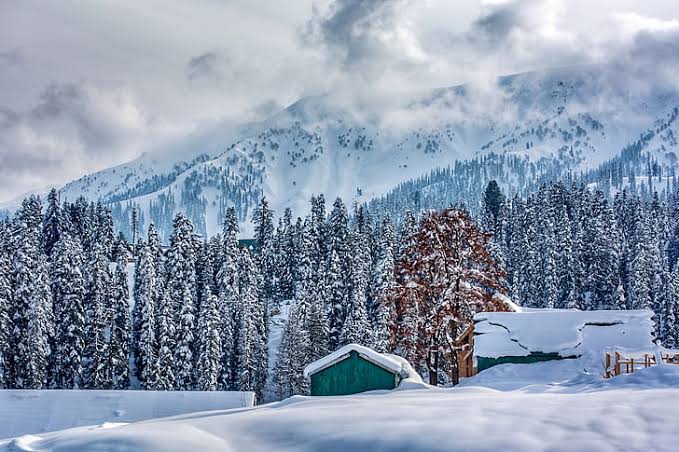
Kashmir is once again in the grip of winter weather, with authorities and communities preparing for fresh snowfall across higher reaches of the region. The Meteorological Department’s outlook indicates an approaching weather system capable of delivering snow, especially in upper valleys and mountain zones, even as night-time temperatures remain warmer than typical for deep winter.
Officials in Srinagar and other parts of the Union Territory have urged the public to remain cautious and comply with safety advisories as road conditions deteriorate and travel becomes riskier.
Nights Stay Warm Despite Snow Forecast
Interestingly, despite forecasts for snow, night temperatures have not dropped as sharply as expected in many populated areas of the Kashmir Valley. This unusual pattern—warmer nights during a winter snowfall period—has been attributed to cloud cover and incoming moisture, which can trap heat near the surface.
This dynamic means that while snow accumulation may increase in higher altitude zones, valley floors and plains may experience rain or a rain–snow mix initially, before temperatures fall further and consolidate snow cover.
Meteorologists say the upcoming weather system resembles a Western Disturbance, which typically brings snow at higher elevations and lighter precipitation in valley plains around late December and early January.
Also Read | Gulmarg Ski Packages 2025–26 | Conquer the Powder on Asia’s Premier Slopes
Chenab Valley Cut Off Again Amid Winter Conditions
One of the immediate humanitarian and logistical concerns is the Chenab Valley’s seasonal isolation, which has resumed as winter weather progresses. According to local reports, roads linking parts of the Chenab Valley are again closed, leaving remote communities disconnected from key district hubs.
The Larnoo–Margan Top–Warwan Road, which serves as the only surface link for several villages in the twin valleys of Marwa and Warwan, remains inaccessible due to snow accumulation and unsafe conditions. As a consequence, residents are once again cut off from essential supplies and services, underlining the persistent winter challenges in the region.
During winter months, connectivity in the Chenab Valley typically remains limited for up to six months, reinforcing the seasonal hardships faced by these populations.
Srinagar-Leh National Highway Closed as Snow Hampers Travel
In parallel with these developments, the Srinagar-Leh National Highway — a critical link between the Kashmir Valley and Ladakh — has been closed to traffic due to fresh snowfall and deteriorating road conditions over high passes such as Zojila.
Authoritative regional updates confirm that snow accumulation on elevated sections of the route has made travel hazardous, prompting authorities to suspend movement to prevent accidents and ensure public safety.
The closure affects both civilian transit and commercial transport, with no estimated timeline yet for reopening. Snow, poor visibility, risk of avalanches, and icy road surfaces are primary factors influencing the decision to halt traffic.
This situation places additional strain on connectivity for Ladakh, particularly as winter intensifies and alternative routes are limited or also snow-affected.
Impact on Transportation and Daily Life
Road Transportation
-
Srinagar-Leh Highway: Fully suspended due to heavy snow conditions at Zojila and adjacent high-altitude sections.
-
Chenab Valley Roads: Seasonal closure continues to isolate remote valleys and their communities.
-
Other mountain passes: Reports indicate that other routes, including those connecting to inner valleys, face slippery conditions or intermittent closures as snow persists.
Public Advisories
Authorities have consistently recommended:
-
Avoiding non-essential travel until road clearance and weather improvements.
-
Checking status of critical stretches like Zojila before planning journeys.
-
Ensuring vehicles are winter-equipped with tyres and emergency kits.
These measures reflect the unpredictable nature of winter weather in the Himalayas, where conditions can shift rapidly and affect accessibility.
Why Night Temperatures Remain Relatively Warm
An interesting aspect of this weather pattern is that night temperatures are not plunging as deeply as typical for the season. Meteorological insights attribute this to:
-
Cloud cover acting as a thermal blanket.
-
Incoming moist air from weather systems moderating overnight cooling.
-
Snow cover not yet fully consolidated in valley plains.
This temporary moderating effect can result in light rain or mixed precipitation at lower altitudes even as higher terrains accumulate snow. However, once clear skies return and the system shifts, temperatures are expected to crash again, reinforcing classic winter conditions.
Also Read | Srinagar Houseboat Packages 2025–26: Live the Legacy on Kashmir’s Timeless Waters
What This Means for Residents and Travelers
For Residents
-
Essential services and emergency access could be constrained in cut-off areas.
-
Local authorities and disaster response teams remain on heightened alert.
For Travelers
-
Those planning visits to ski zones or winter destinations should monitor weather advisories and road status updates.
-
Tours and travel plans involving Srinagar-Leh and inner mountain roads require flexibility for delays.
For Commerce and Logistics
-
Transport of goods and supplies to remote communities may face delays.
-
Alternative arrangements for critical deliveries might become necessary.
Outlook: Snowfall Trend Through Early January
Weather models suggest that the active winter pattern may continue into early January, with intermittent snow events affecting higher altitudes and occasional flurries in lower elevations. The persistence of chill and winter dynamics means that roads and passes will remain vulnerable to closure or restricted travel as snow accumulates and temperatures remain low. Kashmir InFocus
In the coming days, residents and authorities alike are expected to remain vigilant as the seasonal weather system maintains its influence over the region.