25 Winter Blazes Reported Across Kashmir in 4 Days — A Stark Warning on Heating Safety and Fragile Housing
By: Javid Amin | December 25, 2025
Residential houses, livestock sheds, and temporary structures damaged across multiple districts as winter heating practices and aging infrastructure combine to create a silent seasonal hazard.
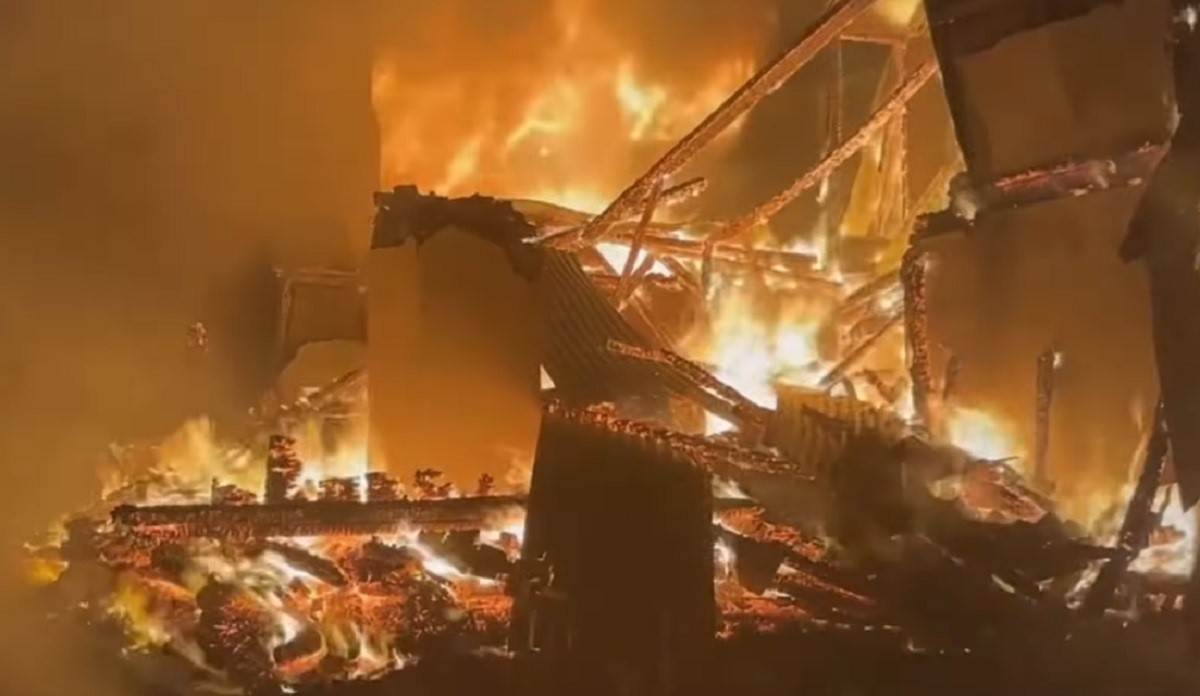
Winter in Kashmir is not just about snow-covered rooftops, frost-lined roads, and breathtaking alpine views. It is also the season when households rely heavily on heating systems — some modern, many traditional, and many more dangerously improvised. In just four winter days, Kashmir recorded 25 fire incidents across key districts including Srinagar, Sopore, Kupwara, Pulwama, Bandipora, Budgam, Kulgam, and Ganderbal.
Although no loss of life was reported, the destruction of property — from family homes and residential structures to cowsheds and temporary shelters — serves as a serious alarm bell. The combined pattern behind these incidents tells a clear story: winter heating practices, old wiring, wooden structures, and congestion amplify fire risk across the Valley.
Fire & Emergency Services teams worked continuously, rushing to the scene in harsh winter conditions. Their timely response prevented loss of life and larger spread, but the number of incidents within such a short period highlights a systemic seasonal challenge.
This feature explores the causes, human impact, structural vulnerabilities, and the critical steps needed to improve safety.
Understanding the Pattern: Where and How the Winter Fires Spread
Fire incidents were reported across both urban and semi-rural belts, affecting diverse communities. While the locations varied, the nature of damage and triggers showed strong similarities.
Many of the fires broke out in:
-
Residential houses
-
Cowsheds and livestock shelters
-
Temporary sheds
-
Wooden-based structures
These incidents were particularly common during late evenings and night-time hours, when heaters and bukharis are used continuously.
Districts most affected
-
Srinagar
-
Sopore
-
Kupwara
-
Bandipora
-
Pulwama
-
Budgam
-
Kulgam
-
Ganderbal
Each district reported multiple winter fires, pointing toward a Valley-wide pattern rather than isolated accidents.
Why Do Winter Fires Happen So Frequently in Kashmir?
The Valley’s winter fire problem is not new. However, the scale and frequency during intense cold spells show that risk levels are rising due to multiple overlapping reasons.
1. Improper and Unsafe Heating Practices
Households use a mix of:
-
Electric room heaters
-
Gas heating systems
-
Kerosene-based bukharis
-
Traditional wood or coal bukharis
The problem arises when:
-
Devices run overnight without supervision
-
Heaters are placed too close to bedding or curtains
-
Unregulated appliances lack safety certification
-
Gas fittings are improperly installed or maintained
Heating appliances meant for safe use become fire triggers when combined with overloaded wiring, fuel leaks, or tipping hazards.
2. Cold Wave Pressure Increases Risky Behaviour
During harsh winters, families try to conserve heat, often sealing rooms and increasing use of heaters. Power cuts add pressure to rely on:
-
Gas
-
Kerosene
-
Coal
-
Wood heating
In some cases, makeshift heating devices are used to reduce costs — devices that lack insulation, ventilation, or regulatory testing.
3. Wooden Houses and Congested Localities
Many Kashmiri homes — especially in older townships — are constructed with:
-
Timber frames
-
Mixed masonry
-
Wooden ceilings or roofing
Once a fire ignites, flames spread rapidly through beams, floors, and ceilings. In congested neighborhoods, one household incident can escalate into multi-property damage.
Narrow lanes also make fire engine access more challenging, further complicating rescue response.
4. Poor Electrical Wiring and Overloading
Outdated wiring systems — some decades old — were not designed for heavy winter loads.
Common patterns observed include:
-
Multiple heaters plugged into single-point extensions
-
Loose or exposed joints
-
Non-standard cables
-
Absence of fuses or breakers
-
Old sockets melting under heat load
This makes electrical short circuits one of the biggest triggers of winter fires.
5. Adulterated Fuel and Faulty Gas Cylinders
Reports have repeatedly cited incidents involving:
-
Leaky LPG pipes
-
Low-quality kerosene
-
Loose stove fittings
-
Unregulated appliance sales
Even a small leak in an enclosed room can turn lethal.
Human Impact: Beyond Property Damage
Fire destroys more than walls and roofs. In Kashmir’s winter context, the damage is multiplied because homes act as heating sanctuaries.
1. Families Lose Shelter During Sub-Zero Nights
Fire damage leaves households:
-
Without warmth
-
Without basic shelter
-
Without essential belongings
Clothing, bedding, stored grains, and identity documents are often lost. In livestock shelters, animals are left exposed to freezing temperatures, placing livelihoods at risk.
2. Psychological & Emotional Trauma
Survivors experience:
-
Shock
-
Fear of recurrence
-
Financial anxiety
-
Disruption of daily life
Elderly residents and children are particularly vulnerable to post-incident distress.
3. Financial Strain in a Region With Limited Insurance Penetration
Most households do not have home insurance, meaning recovery is:
-
Self-funded
-
Dependent on relief aid
-
Supported by community donations
For working-class families, rebuilding is a long journey.
4. Community Ripple Effect
In congested localities, multiple families may be displaced at once, increasing:
-
Strain on relatives
-
Temporary shelter needs
-
Local economic disruption
Winter fires quickly become community emergencies.
Fire & Emergency Services: A Critical Line of Defence
Firefighters in Kashmir work under extreme winter constraints:
-
Frozen roads
-
Narrow lanes
-
Night-time operations
-
Continuous emergency calls
Yet, their swift response prevented fatalities across the reported 25 incidents.
This highlights:
-
The professionalism of the service
-
The importance of rapid public alerts
-
The value of community cooperation
However, resource expansion remains essential, especially for remote belts.
Preventive Measures: What Households & Communities Must Do
The solution lies in preventive, disciplined, and informed safety culture.
Household Safety Checklist
-
Inspect wiring before winter
-
Use certified heaters and appliances
-
Avoid overloading sockets
-
Keep heaters away from flammable materials
-
Never sleep with gas heaters running
-
Ensure ventilation for bukharis
-
Keep fire extinguishers or sand buckets
-
Regularly check LPG pipes and stoves
Community-Level Measures
-
Mohalla-based fire safety awareness
-
Volunteer firefighter training
-
Shared extinguishers in lanes
-
Quick-alert communication systems
Government & Institutional Measures Needed
-
Expand winter-ready fire stations
-
Safer LPG distribution practices
-
Wiring upgrade subsidies
-
Appliance regulation and certification enforcement
-
Insurance awareness campaigns
Causes Vs Solutions
| Cause of Winter Fires | Suggested Solution |
|---|---|
| Unsafe heating devices | Awareness + subsidy for certified appliances |
| Poor electrical wiring | Mandatory inspections + repair support |
| Congested wooden housing | Fire-resistant retrofitting + zoning enforcement |
| Remote area fire response delay | Mobile fire units + trained local volunteers |
Key Takeaway: Winter Warmth Must Not Come at the Cost of Safety
The 25 winter blazes reported across Kashmir in four days are more than statistics. They are a warning signal that winter survival practices require safer methods, better infrastructure, stronger regulation, and continuous community awareness.
The absence of casualties is a relief — but structural improvements and behavioral caution are critical to ensuring that no future fire turns into tragedy.
Winter in Kashmir should mean warmth, safety, and shelter — not risk, loss, or trauma.
Final Word
This report underscores the need for shared responsibility between:
-
Households
-
Communities
-
Fire & Emergency Services
-
Regulatory authorities
Only then can Kashmir reduce the recurring cycle of winter fire incidents and protect its fragile homes — and the lives inside them.