Kashmir at Ecological Brink: Urban Sprawl & Waste Crisis Spark Outcry

Kashmir at Ecological Brink: Urban Sprawl & Waste Crisis Spark Outcry

Across the floodplains of the Jhelum basin and along the shrinking edges of the valley’s wetland corridors, an acute ecological transformation is accelerating. As unplanned concrete construction overtakes traditional paddy lands and municipal solid waste overflows peripheral landfills, planners, environmental jurists, and public intellectuals are raising urgent alarms over the structural trajectory of the Kashmir Valley. The warning issued recently by commentator and administrator Waseem Raja—that Kashmir cannot afford to repeat the catastrophic urban sprawl seen in megacities like Delhi or Mumbai—articulates a deep-seated public anxiety across the region. Compounding…

Read More

Kashmir’s Ecological Crisis Deepens Amid Heritage Tree Felling and Urban Shift

Kashmir’s Ecological Crisis Deepens Amid Heritage Tree Felling and Urban Shift

SRINAGAR — The Kashmir Valley stands at an environmental and urban crossroads. In a series of rapidly unfolding ground developments across Srinagar, the fragile ecological balance of the region has been thrust into sharp relief. Public outrage over the felling of decade-old heritage sweet chestnut trees on the University of Kashmir campus coincided with the mournful news of the passing of renowned geographer Professor T.A. Kanth at age 70. Simultaneously, administrative voices are warning against unchecked expansion, while political waters churn with the unexpected return of former minister Tasaduq Mufti.…

Read More

Assembly Panel Exposes Jammu’s Civic and Ecological Infrastructure Crisis

Assembly Panel Exposes Jammu's Civic and Ecological Infrastructure Crisis

A high-level inspection by the Jammu and Kashmir Legislative Assembly’s Environment Committee across urban and semi-urban clusters of Jammu has unearthed deep systematic deficits in the city’s civic and sanitation architecture. During rigorous field assessments spanning major municipal zones, legislators uncovered raw sewage draining openly into natural water channels, defunct or under-capacity treatment facilities, and mounting heaps of unsegregated solid waste accumulating along fragile riverbanks. The findings have ignited intense scrutiny over decades of municipal inertia, exposing how urban planning bodies have consistently failed to safeguard baseline environmental public health…

Read More

Aharbal Waterfall Has Retreated 538 Metres: The Geological Warning Behind Kashmir’s Famous Tourist Landmark

Kashmir's Aharbal Waterfall Is Retreating: Scientists Identify Potential Landslide and Flood Hazards

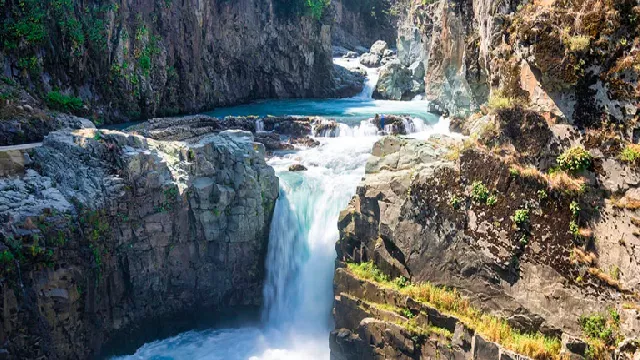
Beyond Tourism: Why Aharbal Waterfall’s Geological Study Should Concern Kashmir’s Planners By: News Desk | 09 November 2026 Kulgam: The spectacular waterfall at Aharbal has been changing its position for thousands of years. What appears to visitors as a permanent natural landmark is, in reality, part of a constantly evolving geological landscape. A scientific study has now put a remarkable figure to that transformation: Aharbal Waterfall has retreated approximately 538 metres upstream over an estimated period of 57,000 years. The finding is fascinating in itself. But the more important message…

Read More

Brari Nambal Lagoon on the Brink: Sewage, Encroachments and Years of Failed Restoration in Srinagar

Brari Nambal Under Threat: NGT Findings Expose Srinagar's Wetland Crisis

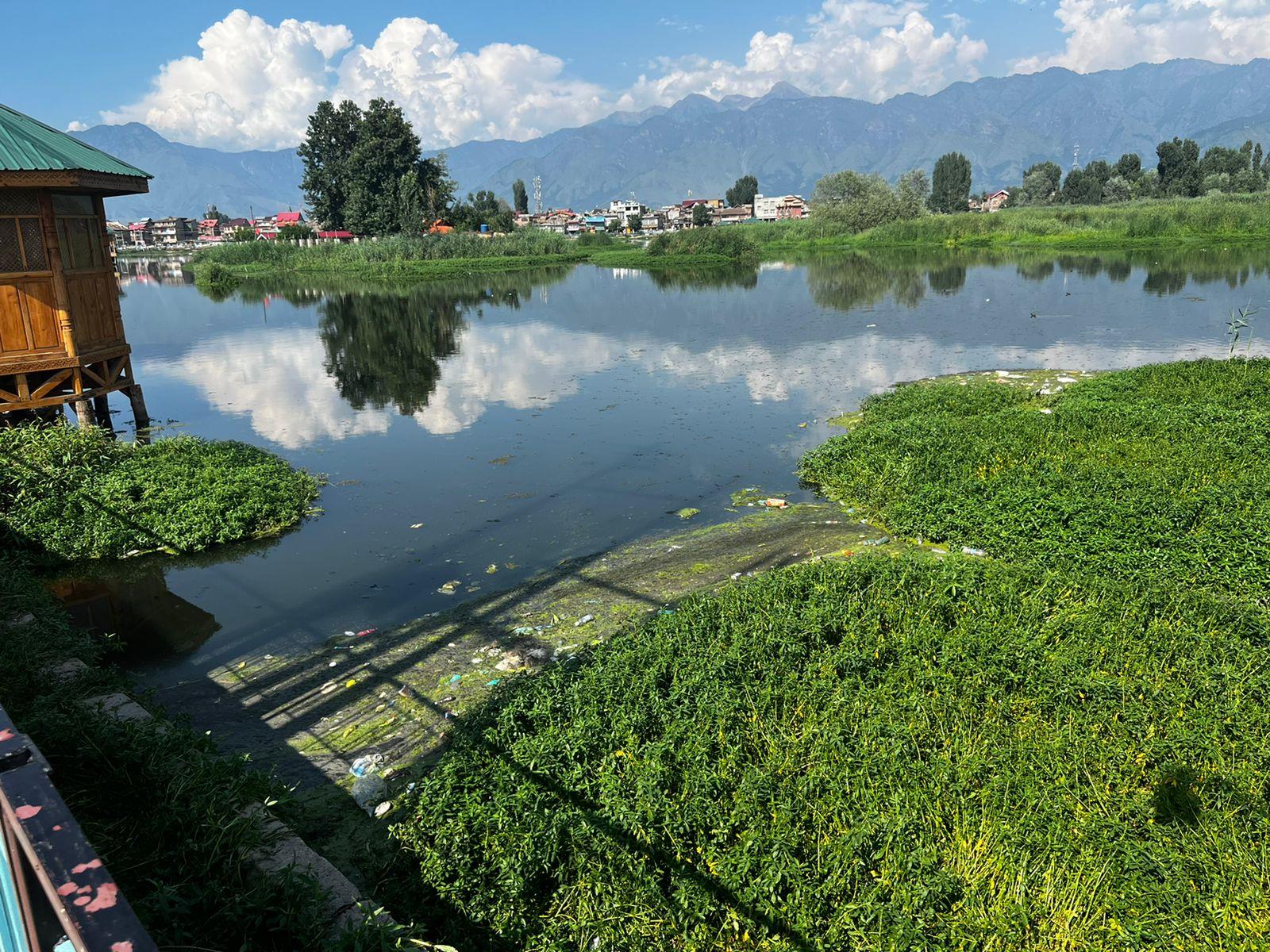
NGT warnings, pollution-control findings and fresh reports of incomplete landfilling removal raise serious questions about the future of one of Srinagar’s vital urban water bodies. By: News Desk | 11 October 11 2026 Srinagar: Srinagar’s Brari Nambal lagoon is facing an environmental crisis that can no longer be explained away as a seasonal problem or a temporary failure of maintenance. Official records point to a combination of untreated sewage, deteriorating water quality, pressure on the water body’s boundaries and restoration work that has yet to resolve the underlying problems. The…

Read More

Jehlum to Dal Lake to Gulmarg: Why Plastic Pollution Remains a Growing Crisis in J&K

Jehlum to Dal Lake to Gulmarg: Why Plastic Pollution Remains a Growing Crisis in J&K

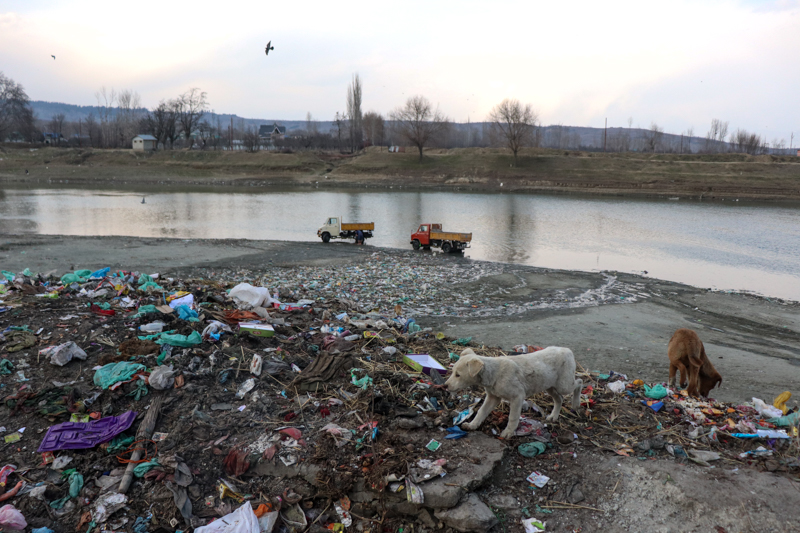
J&K’s Plastic Problem: Years of Bans, Yet Polythene Still Chokes Rivers, Lakes and Tourist Spots By: News Desk | 14 September 2026 The ban exists. The plastic problem does too. For Jammu and Kashmir, the plastic problem is no longer simply about discarded polythene bags lying on a roadside. It is becoming a test of whether environmental laws can actually translate into everyday behaviour. For years, governments have announced restrictions on polythene and single-use plastic. Jammu and Kashmir has had a statutory framework prohibiting plastic carry bags and other non-biodegradable…

Read More

El Niño Warning for Kashmir: A Milder, Drier Winter Could Put Snow and Water Under Pressure

El Niño Warning for Kashmir: A Milder, Drier Winter Could Put Snow and Water Under Pressure

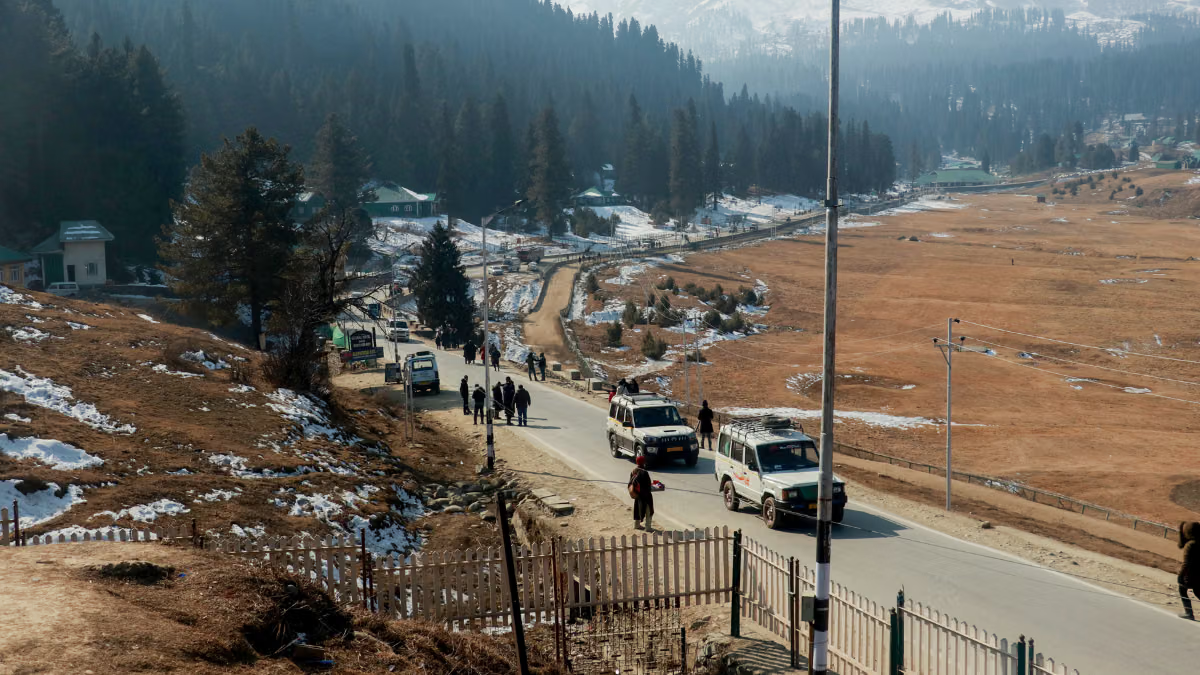
El Niño Warning for J&K: A Milder, Drier Winter Could Put Snow, Water and Tourism Under Pressure By: News Desk | 14 September 2026 Kashmir’s winter is unlikely to disappear — but it could arrive differently For Jammu and Kashmir, winter is much more than a season of cold. Snowfall replenishes mountain water stores, supports downstream river flows, sustains agriculture and horticulture, feeds springs and adds the white landscape on which much of the Valley’s winter-tourism economy depends. That is why the latest warning from the Meteorological Department deserves attention.…

Read More

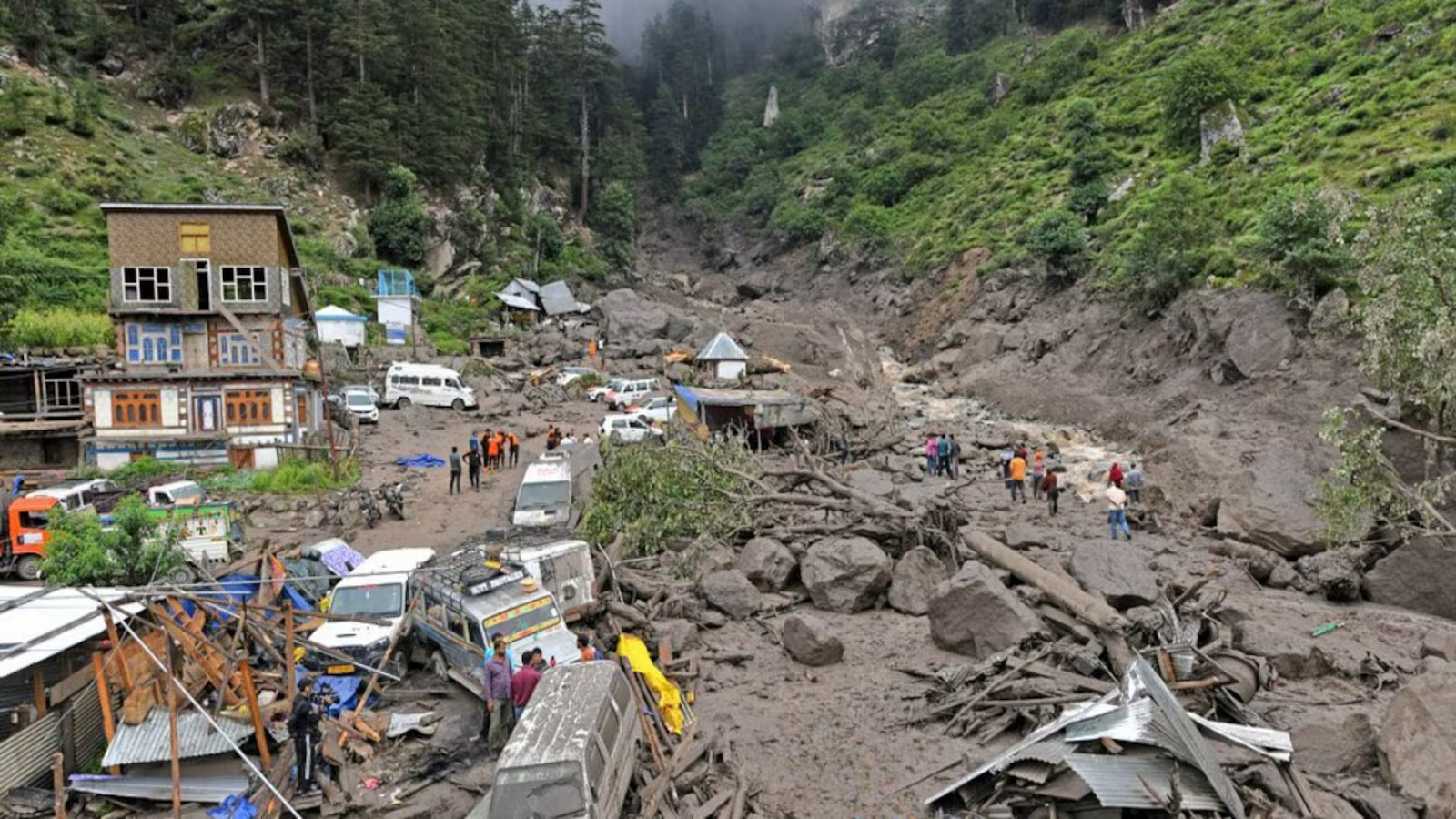
654 Vulnerable Villages, 7.22 Lakh at Risk: Why Jammu & Kashmir Must Rethink Disaster Preparedness

654 Vulnerable Villages, 7.22 Lakh at Risk: Why Jammu & Kashmir Must Rethink Disaster Preparedness

Jammu & Kashmir Disaster Preparedness Under Pressure: Can the Valley Stay Ahead of the Next Disaster? By: Javid Amin | 07 September 2026 From the 2014 floods to flash floods, cloudbursts and landslides, Jammu & Kashmir has repeatedly been reminded that geography can turn a weather event into a humanitarian crisis. The administration has expanded forecasting, emergency operations and vulnerability mapping, but the harder question remains: can warnings, plans and infrastructure reach people quickly enough when the mountains and rivers turn dangerous? There is a peculiar contradiction at the heart…

Read More

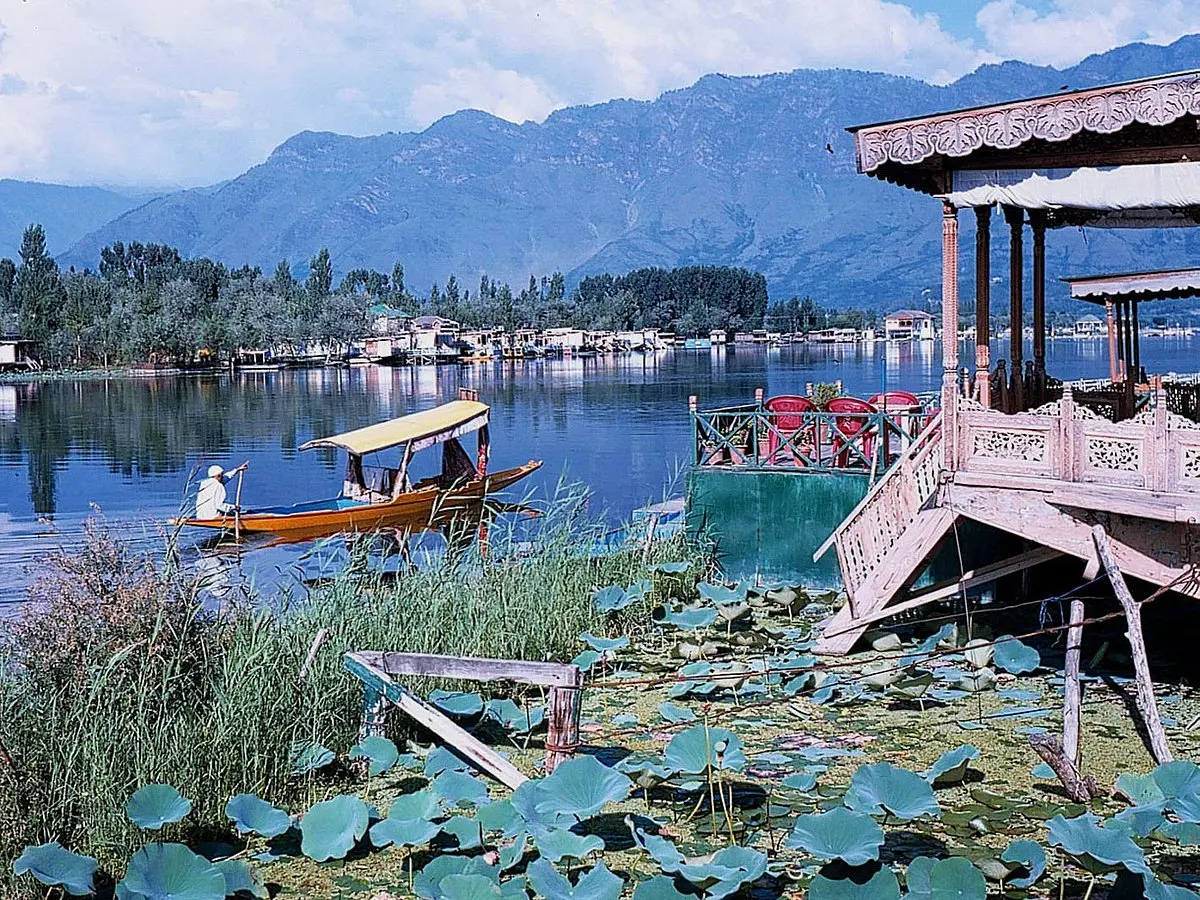
Dal Lake Filling Allegation: Why EPG Wants Satellite Mapping and Ground Verification

Dal Lake Filling Allegation: Why EPG Wants Satellite Mapping and Ground Verification

Dal Lake Filling Row: EPG Seeks Probe Into Alleged Reclamation Near Miskeen Bagh By: News Desk | 31 August 2026 Dal Lake Under Pressure: EPG Seeks Probe Into Alleged Filling Near Miskeen Bagh Srinagar: A fresh environmental controversy has emerged around Kashmir’s iconic Dal Lake after the Environmental Policy Group (EPG) urged Chief Minister Omar Abdullah to order an on-ground investigation into a video circulating on social media that allegedly shows filling or reclamation activity near the Lakes Conservation and Management Authority (LCMA) office at Miskeen Bagh. At this stage,…

Read More

Nepal’s Catastrophic Flash Floods Are a Wake-Up Call for Kashmir: The Himalayan Threat We Can No Longer Ignore

Nepal’s Catastrophic Flash Floods Are a Wake-Up Call for Kashmir: The Himalayan Threat We Can No Longer Ignore

Nepal Flash Flood Disaster a Wake-Up Call for Kashmir: Why GLOF and Glacier Collapse Risks Can No Longer Be Ignored By: Javid Amin | 30 August 2026 What happened along the Nepal-Tibet border was not simply another mountain disaster. It was a warning from a rapidly changing Himalaya — and Kashmir has reason to listen carefully. The Himalayas have always been unpredictable. Landslides, avalanches, cloudbursts and flash floods are woven into the geography of the world’s youngest mountain range. But the catastrophe unfolding after the August 26 disaster along the…

Read More