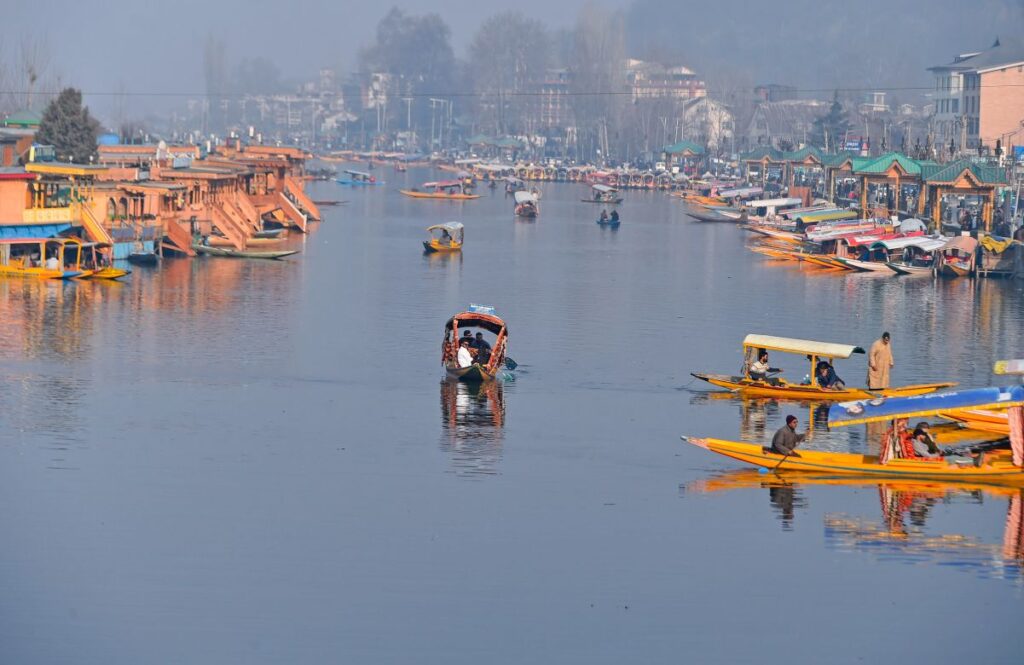
Dal Lake Turns Green: Experts Explain Algal Bloom, Climate Impact and Ecological Changes

Dal Lake Turns Green: Experts Explain Algal Bloom, Climate Impact and Ecological Changes

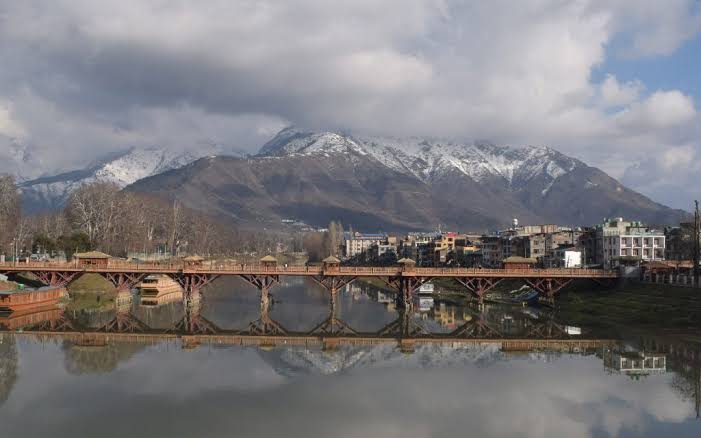
Why Dal Lake Turned Green: Climate Shifts, Algal Blooms and the Changing Ecology of Kashmir’s Most Iconic Lake By: Javid Amin | 05 March 2026 Experts Explain the Green Transformation of Dal Lake Amid Rising Temperatures and Reduced Snowmelt Dal Lake Turns Green: A Natural Cycle or a Warning Sign? The sudden green tint covering large parts of the iconic Dal Lake has sparked widespread curiosity and concern among residents and visitors alike. Known for its crystal reflections, floating gardens and houseboats, the lake’s unusual green appearance has quickly become…

Read More

Kashmir February Heatwave 2026: Vanishing Snow, Tourism Losses, and Rising Climate Risks

Kashmir February Heatwave 2026: Vanishing Snow, Tourism Losses, and Rising Climate Risks

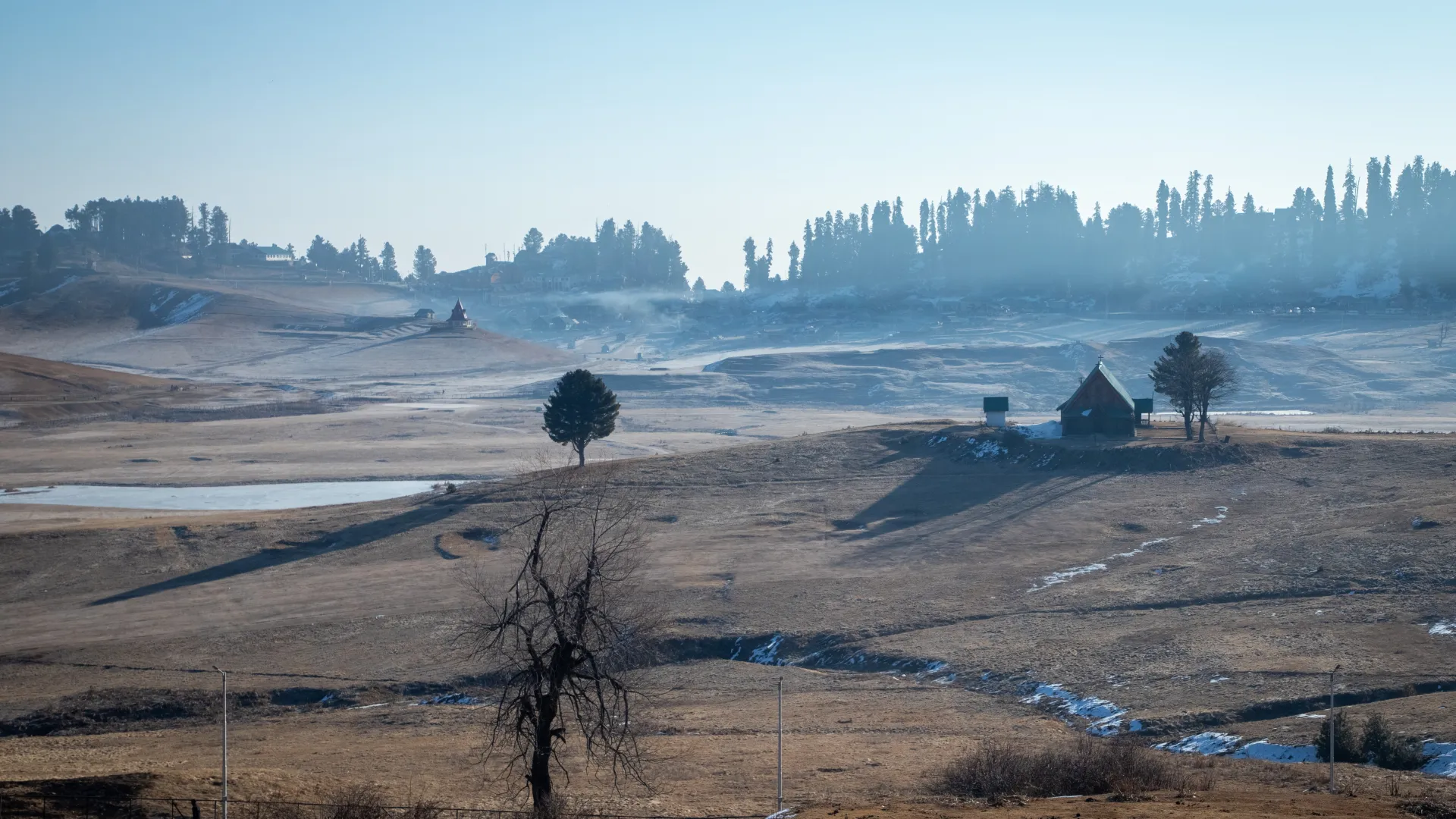
Kashmir’s Vanishing Winter: Inside the February 2026 Heatwave That Is Rewriting the Valley’s Climate Memory By: Javid Amin | 25 Febuary 2026 When Winter Forgot to Snow In late February 2026, residents of Srinagar stepped out into a winter afternoon that felt suspiciously like early April. Daytime temperatures hovered 7–8°C above seasonal norms. Snow that once blanketed rooftops and orchards had either failed to arrive or vanished within days. Up in the slopes of Gulmarg, ski instructors waited for tourists who never came. In Pahalgam and Sonamarg, streams began to…

Read More

Kashmir’s Warmest February Threatens Hydropower: Early Snowmelt Raises Energy Security Concerns

Kashmir’s Warmest February Threatens Hydropower: Early Snowmelt Raises Energy Security Concerns

Kashmir’s Warmest February in a Decade: Hydropower at Risk as Early Snowmelt Disrupts Energy Flows By: Javid Amin | 20 February 2026 How Rising Winter Temperatures Could Reshape Jammu & Kashmir’s Electricity Security Kashmir’s warmest February in nearly a decade is not just a climate statistic — it is a structural warning for the region’s hydropower-dependent energy system. On February 20, Srinagar recorded 20.1°C — 9.7°C above normal — the highest February temperature since 2016. Across the Valley, maximum temperatures ran 9–11°C above seasonal averages. For a Himalayan region where…

Read More

Kashmir’s Red Gold vs Climate Chaos: Inside the Saffron Revival Defying Weather Extremes

Kashmir’s Red Gold vs Climate Chaos: Inside the Saffron Revival Defying Weather Extremes

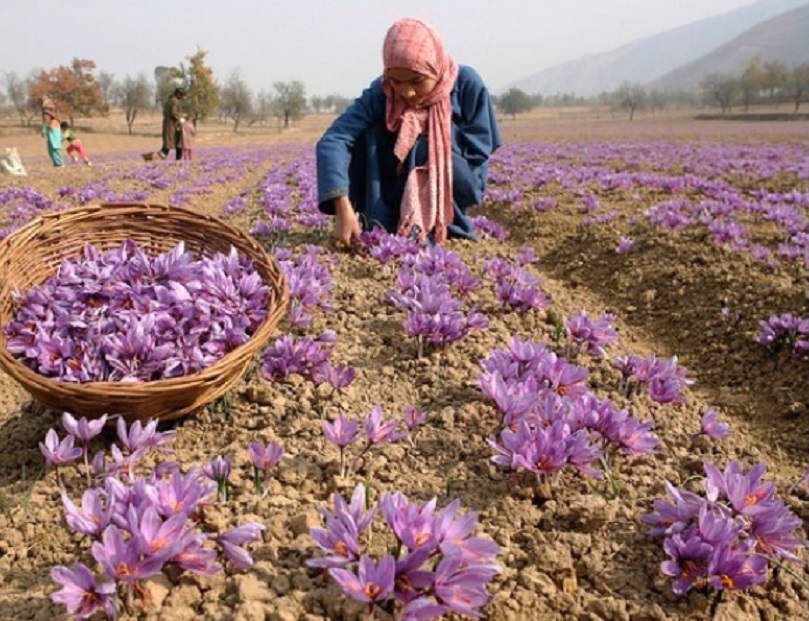
Kashmir Saffron Revival: How Red Gold Is Beating Climate Change and Boosting Profits By: Javid Amin | 16 February 2026 A Crop That Refused to Disappear For over a decade, Kashmir’s saffron fields stood as a warning symbol of climate vulnerability. Shrinking acreage, erratic snowfall, soil degradation, and urban encroachment had pushed the Valley’s most iconic crop toward decline. Experts predicted a slow death for the centuries-old tradition. Instead, the opposite is unfolding. Against the backdrop of abnormal winters, precipitation deficits, and warming trends across the Himalayas, Kashmir’s saffron industry…

Read More

Back-to-Back Western Disturbances Set to Shape Kashmir’s Late Winter: What It Means for Weather, Travel, Agriculture and Climate

Back-to-Back Western Disturbances Set to Shape Kashmir’s Late Winter: What It Means for Weather, Travel, Agriculture and Climate

3–4 Western Disturbances to Hit Jammu & Kashmir After Chillai Kalan: Snowfall, Travel Disruptions, Climate Signals Explained By: Javid Amin | 30 January 2026 A Restless Sky Over a Restless Land As Kashmir breathes a cautious sigh of relief with the end of Chillai Kalan, the harshest 40-day phase of winter, the region finds little respite from turbulent skies. The India Meteorological Department (IMD/MeT) has forecast three to four Western Disturbances (WDs) set to sweep across Jammu & Kashmir over the next ten days, promising a spell of intermittent rain…

Read More

Forest Fires Ravage Kashmir Valley in Unprecedented Spate

Forest Fires Ravage Kashmir Valley in Unprecedented Spate

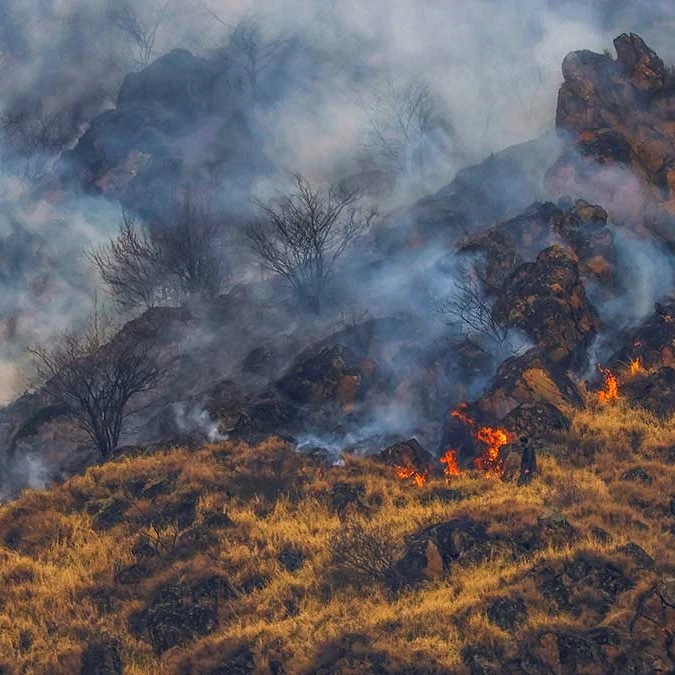
Forest Fires in Kashmir Valley 2026: Causes, Impacts, Response, Climate Context | Kashmir Wildfire Crisis By: Javid Amin | 22 January 2026 A Valley Under Fire In late January 2026, multiple forest fires erupted across the Kashmir Valley, consuming large swathes of woodland, threatening residential settlements and wildlife habitats, and drawing a stark spotlight on the growing wildfire crisis in the region. Fueled by unusually strong winds and prolonged dry conditions, these fires have rapidly spread across districts such as Anantnag, Kulgam and Uri, stretching firefighting resources and raising alarm…

Read More

Kashmir Faces One of the Driest Winters in Decades as Rainfall Deficit Touches 85 Per Cent

Kashmir Faces One of the Driest Winters in Decades as Rainfall Deficit Touches 85 Per Cent

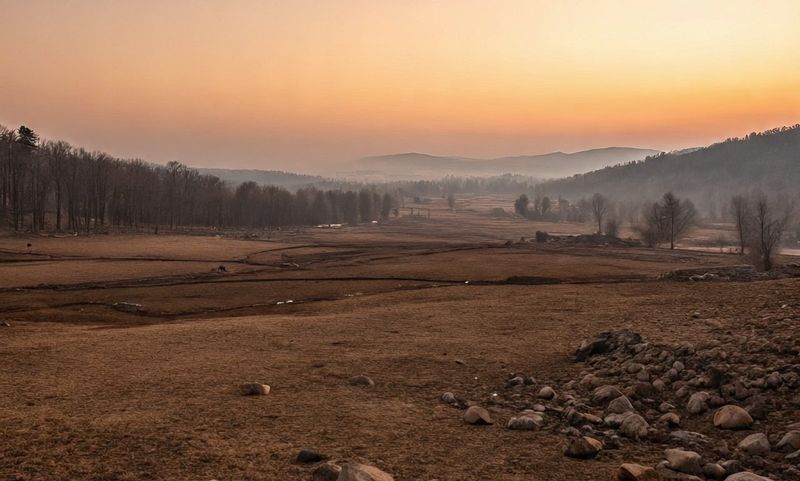
Kashmir’s Driest Winter in Years: 85% Rainfall Deficit Raises Alarms Over Water, Agriculture, and Climate Stability By: Javid Amin | 18 January 2026 A Winter Without Water: Kashmir’s Alarming Dry Spell Kashmir is grappling with one of its driest winters in recent decades, as an unprecedented rainfall deficit of nearly 85 per cent has been recorded during what is traditionally the region’s most important precipitation season. From November 1, 2025, to January 17, 2026, the Valley received just 20.6 millimetres of precipitation, far below the normal average of 139 millimetres.…

Read More

Winter Snowfall Crucial for Kashmir’s Agriculture and Water Security, Warn Experts

Winter Snowfall Crucial for Kashmir’s Agriculture and Water Security, Warn Experts

Winter Snowfall Crucial for Kashmir’s Agriculture, Water Security and Economy: Experts Warn By: Javid Amin | 09 January 2026 Winter Snowfall Is the Lifeline of Kashmir, Experts Say Kashmir’s agriculture, horticulture, and water security are inseparably linked to winter snowfall, and any prolonged dry spell could trigger a cascading crisis across the Valley’s economy and ecology, experts have warned. As Kashmir witnesses increasingly erratic winters, scientists, hydrologists, and agricultural specialists caution that declining snowfall is no longer just a seasonal concern but a structural threat to food production, drinking water…

Read More

Chillai Kalan 2026: Dry Spell Deepens in Kashmir as Snow Eludes Plains

Chillai Kalan 2026: Dry Spell Raises Concerns as Kashmir Sees No Major Snowfall With 21 Days Left

Chillai Kalan 2026: Dry Spell Raises Concerns as Kashmir Sees No Major Snowfall With 21 Days Left By: Javid Amin | 08 January 2026 Chillai Kalan Tightens Grip, but Snow Remains Elusive Kashmir is deep into Chillai Kalan, the harshest 40-day winter stretch, yet an unusual feature defines this year’s cold spell — intense freezing without widespread snowfall in the plains. With 21 days still remaining before Chillai Kalan ends on January 30, 2026, the Valley has crossed the halfway mark under a persistent dry spell. While higher reaches have…

Read More

J&K’s Dry Spell Deepens: 86% Rainfall Deficit Sparks Water, Ecology and Fire Alarms

J&K’s Dry Spell Deepens: 86% Rainfall Deficit Sparks Water, Ecology and Fire Alarms

J&K Records 86% Rain Deficit | Shrinking Rivers, Rising Fire Risk, Water Crisis By: Javid Amin | 10 December 2025 A Region Parched as Rain Refuses to Come Jammu and Kashmir (J&K) is witnessing a distressing environmental and humanitarian signal: an acute rainfall shortfall that has plunged the region into a precarious situation. Between November 1 and December 9, 2025, the Union Territory recorded a mere 6.1 mm of rain, against an expected 43.1 mm, marking a staggering 85.8% deficit. This prolonged dry spell — persisting since around November 5…

Read More