A recent survey has revealed that children and adults in Kashmir are becoming obese or overweight and it could prove fatal if precautions are not taken. The survey has pointed out that there is dire need to focus on child nutrition, while obesity and anemia are the markers of impending health issues in adults. UNICEF prepared report, Results of Rapid Survey on Children (RSoC), for Ministry of Health and Family Welfare recently. The survey states that 10.8 percent adolescents in JK are obese or overweight. On the other hand, the…
Read MoreCategory: Health
Health
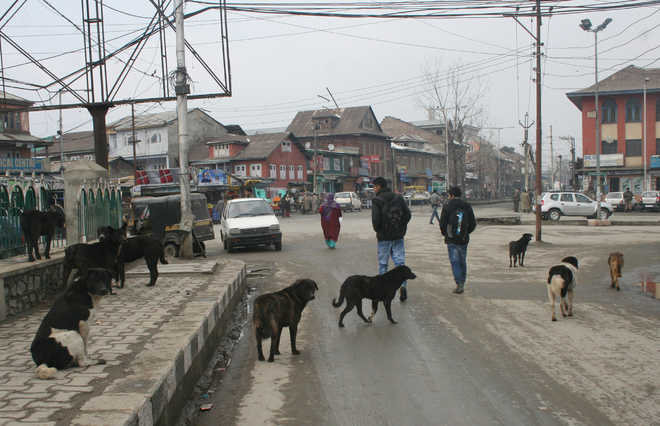
Stray dogs thriving on hospital waste
Despite a sharp decrease in dog bite cases in the city, the authorities concerned here said stray dogs were thriving on the waste produced in government-run hospitals. While the stray dog population has decreased to half, officials said dog bite cases have come down to 4,684 in 2015-2016. “The population of stray dogs has reduced by almost 50 per cent,” the Srinagar Municipal Corporation (SMC) officials said during a meeting on sanitation and dog menace on February 6. “The number of dog bite cases treated at Shri Maharja Hari Singh…
Read MorePost-flood, GB Pant Hospital takes lead in Valley’s healthcare
The Valley’s premier child care centre, GB Pant Hospital, has grown into a cutting edge facility with integrated healthcare services, research and children friendly healing process, even as the flood-ravaged government-run hospitals in Kashmir are still struggling to restore normal operations. With the addition of new equipments and expertise, the officials at the GB Pant Hospital say a lot of thought has gone into remodeling the functioning of the centre. In the past few months, the hospital authorities have added 10 high-end ventilators, installed Rs 3 crore worth sewerage treatment…
Read MoreMistrust responsible for deteriorating doctor-patient relationship: DAK
Doctors Association Kashmir (DAK) today said that mistrust among patients about the medical system in Kashmir and healthcare providers working inside it is responsible for deteriorating doctor-patient relationship. Terming trust as essential for the relationship, President DAK Dr Nisar ul Hassan in a statement said that it has been broken and once revered doctor-patient relationship is on the rocks. People are unhappy with the fragmented healthcare system and they have lost faith in it as it adds to their miseries and sufferings. Unequal access to healthcare and commercialization of medicine…
Read MoreSpurious medicine trade continues in JK: DAK
Doctors Association Kashmir (DAK) Tuesday said trade of spurious drugs was continuing unabated in Jammu and Kashmir and that nothing was being done to curb the menace. Alarmed by the reports of widespread presence of the spurious drugs, President DAK faction led by DrNisarul Hassan in a statement said JK has turned to be safe bastion for trade in substandard and fake drugs. “Everyday patients suffer and even die because of this menace. In a recent report, an anti-diabetic drug, Blisto-4MF, manufactured in Jammu was found spurious and the quantity…
Read MorePrivate medical centres, labs continue to fleece patients
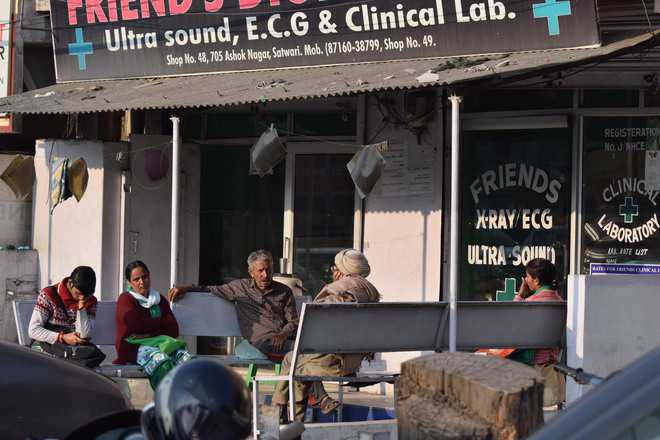
The tall claims of the government of providing better health facilities at the doorsteps of people exist only on papers as poor patients continue to depend on private medical centres, clinics and laboratories even for conducting simple tests by paying exorbitant charges. A heavy rush of patients mostly from far-flung areas can be seen at these private medical centres near government hospitals in different localities in the winter capital. “There is no care for poor patients like us in the government-run hospitals, which are generally overcrowded. The tests like CT…
Read MoreHoney can save lives by destroying harmful fungus
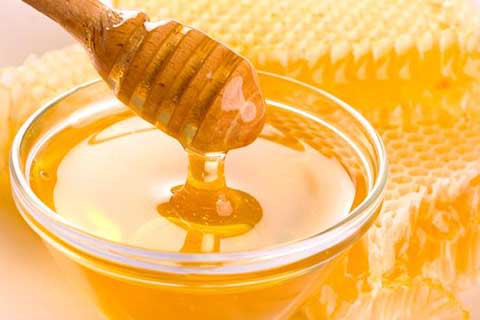
Scientists have discovered a powerful link between a medicinal type of honey and the destruction of a fungus that can cause blindness or even death. In the first-of-its-kind study, Zain Habib Alhindi, from University of Manchester in UK used different concentrations of Surgihoney, a biologically engineered honey that produces chemically reactive molecules containing oxygen, to test how effective it could be in destroying the fungus Fusarium. Fusarium is found on plants and in soil and can cause devastating infections in vulnerable people. Alhindi discovered even the lowest concentrations had a…
Read MoreDocs serving at Kashmir’s busiest maternity hospital a troubled lot
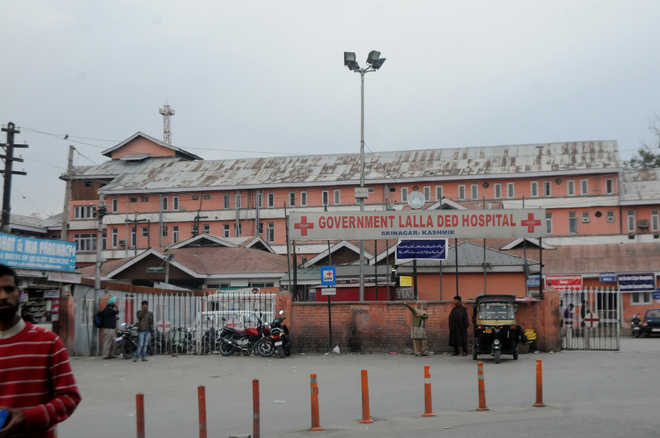
Lalla Ded Hospital staff seek psychiatric help and counseling to cope with pressure When Dr Sahrain Bhat (name changed) was examining a patient at Lalla Ded Hospital, the Valley’s major maternity centre, she received a kick on her abdomen. The doctor, who was 10 weeks pregnant, rushed downstairs in pain to get her own ultrasound done. Though everything was fine, doctors in the hospital are often on the receiving end of the attendant’s fury. The stress of work only adds to their miseries. The 500-bed hospital receives around 700-800 patients…
Read MoreBanned, substandard spices being sold in Valley
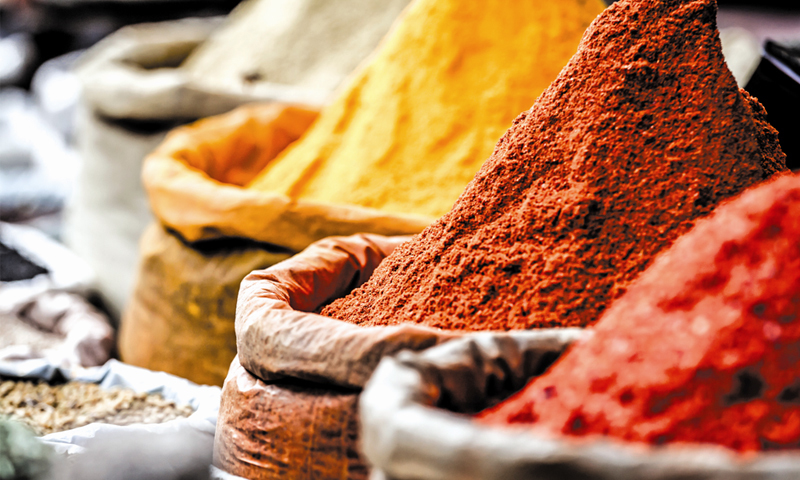
4.5 quintal spices destroyed in Srinagar markets DFCO cracks whip on traders, issues notices A major health hazard for common people cannot be ruled out in Kashmir valley as many traders have been found selling banned and substandard spices, KP has learnt. According to officials sources the large quantity of open substandard spices have been imported in Kashmir by unknown manufactures in gunny bags without proper permission and packaging. “There is a big mafia working in the valley who are transporting the banned spices to valley markets. These spices are not…
Read More29% people in JK get untreated tap water: NITI Aayog
In a shocking disclosure, around 29.2 percent populace in Jammu and Kashmir are being supplied untreated tap water, a survey by NITI Aayog reveals. According to data released by NITI Aayog, Jammu and Kashmir has around 2 million consumers registered with JK’s Public Health Engineering (PHE) department. The report mentions that of the total 20,15,088 consumers, only 63.8 percent have access to tap water. It further states that out of this only 34.7 percent get water from treated sources. The remaining 29.2 percent are provided water from the untreated sources.…
Read More