Hounded & Heckled; Kashmiri Students denied legal help in Agra

Hounded & Heckled; Kashmiri Students denied legal help in Agra

Lawyers In Agra Refuse To Plead Case Of ‘Anti-Nationals’ Several lawyers’ associations of Agra have decided to deny legal help to the three Kashmiri students of an engineering college here, who were charged with sedition. The students were booked under the Act that dates back to the British era allegedly for posting a WhatsApp status praising Pakistan players after the team’s victory against India in a T20 cricket match on October 24. “We will not provide any legal help to those who are involved in the anti-national activity or anti…

Read More

Terrorism related civilian deaths in J&K cross two-year high in October 2021

Terrorism related civilian deaths in J&K cross two-year high in October 2021

There were 25 incidents of killings in October 2021, the fourth-highest for any month since 2012 In October 2021, the number of civilians killed in terrorism-related incidents in Jammu and Kashmir recorded a sharp increase. Twelve civilians died in October, the highest for any month in the last two years and the fourth-highest since 2012. After the relatively calm period of 2006-2012, Kashmir has been on the boil. The major inflection point was in 2016 when Hizbul Mujahideen commander Burhan Wani was killed. Two spells of lockdown — the first…

Read More

Teacher, Students arrested for celebrating Pakistan Cricket Win

Teacher, Students arrested for celebrating Pakistan Cricket Win

Indian police have arrested three Muslim students and a teacher for celebrating the Pakistan cricket team’s crushing victory over arch-rivals India at the Twenty20 World Cup, officials said Thursday. The students, originally from Indian-administered Kashmir, were taken into custody on Wednesday in the northern city of Agra for “promoting enmity” and disrupting religious harmony, police inspector Pavindra Kumar Singh told AFP. The case was lodged after right-wing Hindu nationalist groups barged into the Raja Balwant Singh Engineering Technical College demanding the arrest of the three students, according to press reports.…

Read More

Amit Shah’s Kashmir Visit; Understanding the Timing and Significance

Amit Shah’s Kashmir Visit; Understanding the Timing and Significance

It would be simplistic to assume that the recent spate of terrorist attacks in Kashmir triggered Amit Shah’s trip. The BJP cannot risk frittering away the political capital it reaped by abrogating Article 370 and allowing Kashmir to drift ahead of the coming elections and the run-up to 2024 By: Sandip Ghose Like Prime Minister Narendra Modi, Union Home Minister Amit Shah, who is currently on a three-day visit to the Valley, is also known to be a master of timing. This is Shah’s first visit to Jammu & Kashmir…

Read More

Why Kashmir calls out to Bihari’s

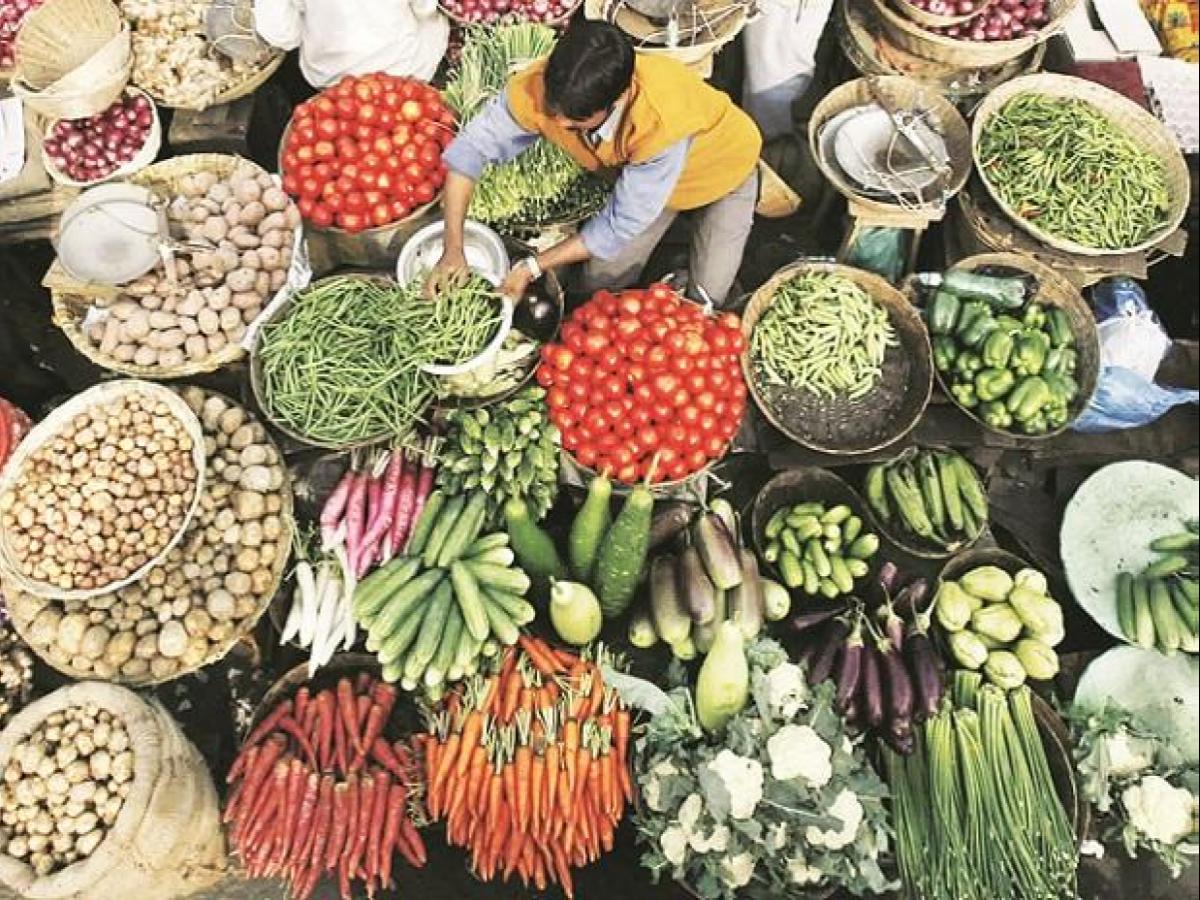
The fear factor may be driving Biharis out of Kashmir at present, but the migrants, mostly comprising Dalits and OBCs, earn more money, respect there compared to other states across the country Ajaz Ashraf I am a Harry, a term coined decades ago by the snooty set to condescendingly identify the middle class, English-speaking Biharis in Delhi. We Harrys know from our experience that economic mobility is the principal driver of migration, more so as Bihar is India’s poorest State by Gross State Domestic Product per capita. Yet we were struck by the suicidal streak among Biharis who want to earn a livelihood in Kashmir, India’s most dangerous place, where five migrant labourers were gunned down this month. There is a subtext to the names of those who died—Raja Reshi, Joginder Reshi, Arvind Kumar Sah, Sagheer and Virender Paswan. Sagheer is a Muslim from Uttar Pradesh, which is a rung above Bihar on the poverty scale. Of the four Biharis, three were Dalit and one an OBC. Invisibilised in their lifetime because of their lowly socio-economic status, in death they were, finally, owned up by India as its very own, albeit as migrant labour, a category of citizens for whose protection the state suddenly became solicitous. Anecdotal accounts suggest they were encouraged to leave Kashmir—and so they did in droves. Escape from a hellhole? For an answer, you must listen to the interview that The Lallantop, a YouTube news channel, conducted with Pankaj Paswan, a relative of Virender Paswan, the golgappa seller who was killed in Srinagar on October 5. Pankaj has been in the Valley for 27 years, 12 of which were with his family living there. Pankaj said he and other Biharis come to Srinagar because Kashmiris show them respect, an allusion to the caste indignities his Dalit subcaste encounters in Bihar; that they earn Rs 600-650 daily, three times what he can back home—and higher than the wage rates in any other Indian State; and that Kashmir never gets too hot. Pankaj said, “Any praise for the people will be less.” But the reading down of Article 370 must have had Kashmiris look upon Pankaj as the ugly Indian, so to speak? No, he shot back, even though the government encouraged them to leave, he and many others did not. That was because of the assurances of Kashmiris: “Don’t go, you will die only after we do.” He said that during the 2020 lockdown, Kashmiris regularly sent them ration. “In Bihar, a person wouldn’t give a kilo of rice to his neighbour,” Pankaj said. It would seem Kashmir is the safest place for lower caste Biharis. A gross exaggeration, the Harry in me thought until I trawled the internet to discover nuggets of facts soaked in the blood of Biharis: On January 5, 2007, the United Liberation Front of Assam killed 48 of them in the State. Two days later, they slaughtered 14 more, triggering the exodus of Biharis from Assam. These attacks there had been preceded by the killing of 29 Biharis in 2003. In Manipur, 14 Hindi-speaking migrants were killed in 2008. Mumbaikars’ contempt for Bhaiyas, a pejorative term for those from Uttar Pradesh and Bihar, spilt out in a prolonged spell of violence in 2008. Fomented by Raj Thackeray, who had left the Shiv Sena to float the Maharashtra Navnirman Sena, his supporters attacked the hated Bhaiyas attending a Samajwadi Party rally in Mumbai on February 3. They were beaten, their stalls and carts looted, their taxis smashed. Raj’s arrest for a few hours on February 13 saw the violence spread to other districts in Maharashtra. Migrants were terrorised through the year, most viciously in October, when a large number of them appeared for a Railway recruitment entrance examination in Mumbai. Five died; 15,000 north Indian migrants in Nashik and 25,000 in Pune returned home. In October 2018, after a 14-month-old girl was allegedly raped by a migrant worker in Gujarat, mobs descended on industrial estates in as many as six districts. Led by wannabe politicians, their violence frightened an estimated 25,000 north Indian migrants to exit Gujarat. One Covid-19 image that will forever haunt us is of migrant workers, hungry and forsaken, enduring police battering, walking hundreds of kilometres to reach their homes in north India. Given that over two lakh migrant labourers descend on Kashmir every year, it might have seemed surprising that we rarely heard of Biharis trekking out of there. Pankaj’s interview provides the answer. By contrast, a National Human Rights Commission study on the impact of the 2020 lockdown on migrant workers found that 39 per cent of workers in Delhi, 38 per cent in Gujarat, 31 per cent in Haryana and 42 per cent in Maharashtra lost their livelihood. Only community support, as in Kashmir, could have dissuaded them from fleeing worksites. This is not to deny the factor of fear in the exodus of Biharis from Kashmir in recent weeks. Yet former Bihar Chief Minister Jitan Manjhi was being frivolous when he said Biharis could fix Kashmir in 15 days if it were handed over to them. It is Bihar that needs a fix. As for Kashmir, Manjhi should ask the Prime Minister to fill the political vacuum there, for the five killings in October were, to use the phrase of philosopher Régis Debray, “manifestos are written in the blood of others”.

The fear factor may be driving Biharis out of Kashmir at present, but the migrants, mostly comprising Dalits and OBCs, earn more money, respect there compared to other states across the country Ajaz Ashraf I am a Harry, a term coined decades ago by the snooty set to condescendingly identify the middle class, English-speaking Biharis in Delhi. We Harrys know from our experience that economic mobility is the principal driver of migration, more so as Bihar is India’s poorest State by Gross State Domestic Product per capita. Yet we were…

Read More

Pretending all is Normal in J&K Like “Suicide”: Kashmiri Pandit’s Group

Pretending all is Normal in J&K Like "Suicide": Kashmiri Pandit's Group

The undertaking says police will not be held responsible for the security of Pandits. J&K Police deny that people are under pressure to sign it. Kashmiri Pandits living in the Valley, already rattled by the spate of civilian killings over the past month, are now angry and upset over an “undertaking” sent by the Jammu and Kashmir Police. According to Sanjay Tickoo, who heads the Kashmiri Pandit Sangharsh Samiti, the police initially asked the families to house security personnel guarding them in their homes, and when the families refused, sent…

Read More

Cricket is never just a game between India and Pakistan

Cricket is never just a game between India and Pakistan

It’s one of the greatest rivalries in sports when war off the field allows it — a contest of national identities that will be renewed this Sunday in a World Cup match. By Mujib Mashal The event will be watched by hundreds of millions around the world, on televisions in remote villages, jumbo screens in crowded cities, phones in migrant labor tenements and flickering monitors in the living rooms of a diaspora spread across the world’s time zones. Face-offs on the cricket field between India and Pakistan, like the expected…

Read More

In wake of recent targeted killings, Bunkers and Boots back on Srinagar streets

In wake of targeted killings, Bunkers and Boots back on Srinagar streets

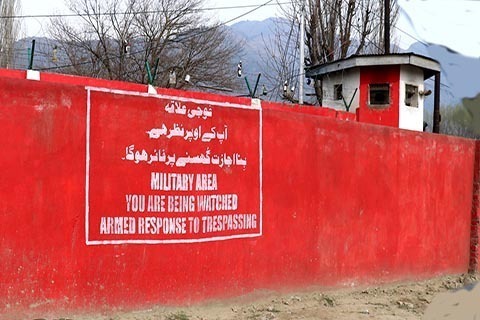
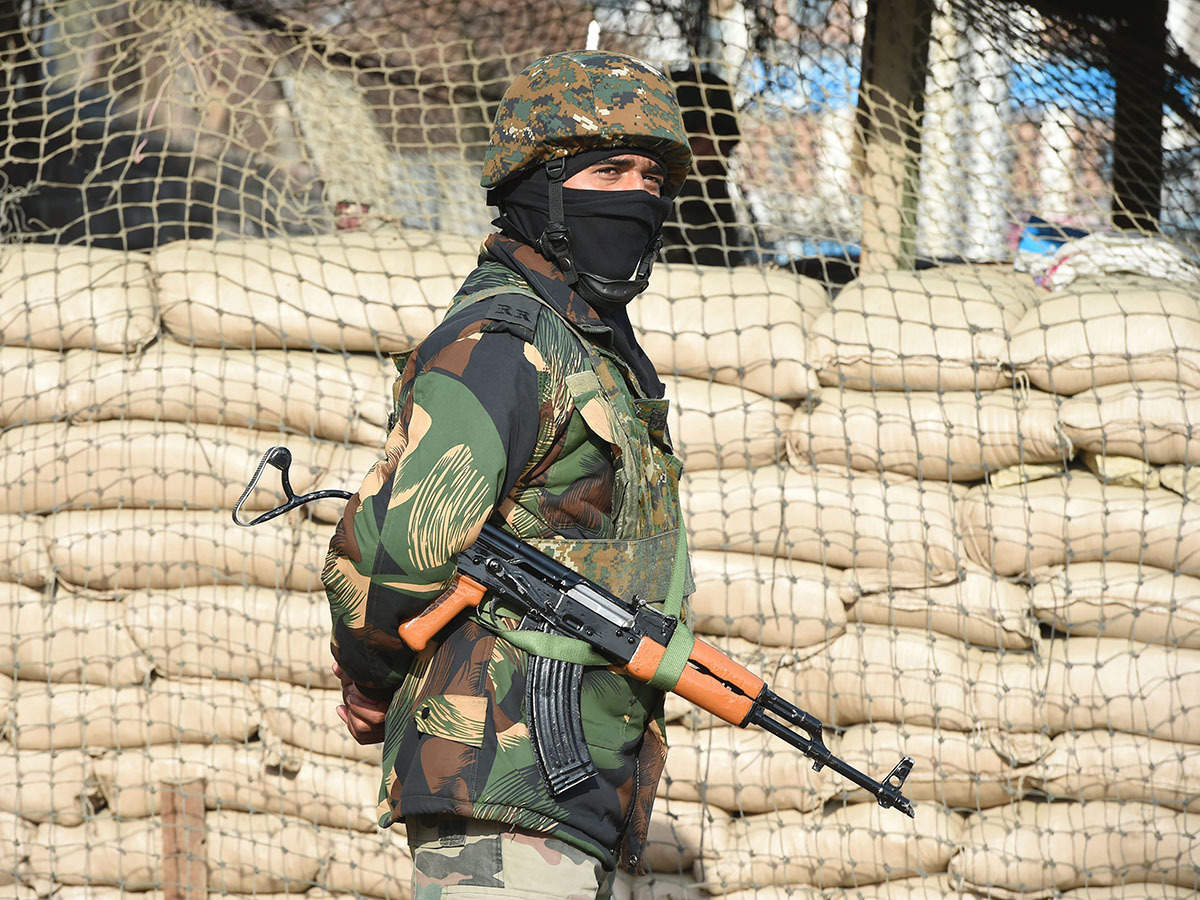
According to reports, this time new bunkers have come up at places where they did not exist even at the peak of militancy in the Valley in the 1990s. A spate of civilian killings by militants in Kashmir over the past few weeks has brought the return of security bunkers on Srinagar roads after nearly eight years, as well as an increased presence of paramilitary troops. Manned by the central armed paramilitary forces, the bunkers are being set up across Srinagar – highlighting the deteriorating security situation in the Valley.…

Read More

Frisking children by forces in Kashmir raises concern

Frisking children by forces in Kashmir raises concern

By – Junaid Kathju A picture of a girl, showing all her belongings while being frisked by freshly deployed women personnel of the Central Reserve Police Force (CRPF) in the heart of Srinagar city, created ripples on social media. Following the civilian killings in the past two weeks, police have intensified frisking of commuters and bikers in Srinagar. However, netizens asked questions about the psychological impact of such frisking exercises on the mental health of people especially on children in the restive region. The picture of a teenage girl taken…

Read More

Fresh wave of killings triggers memories of dark past in Kashmir

Fresh wave of killings triggers memories of dark past in Kashmir

By – Aijaz Hussain The Kashmiri Hindu activist was listening to religious hymns on his cellphone when he was interrupted by a tragic WhatsApp message. It brought news of a fatal shooting of a prominent chemist from his community, just a few miles from the activist’s home in Srinagar, the largest city in Indian-controlled Kashmir. Sanjay Tickoo, 54, anxiously bolted the gate of his house and gathered his family in the dining room. His phone kept buzzing with calls from frightened minority community members. Within two hours of the killing…

Read More