Iran War and Global Crises 2026: Deep Geopolitical Analysis of Where the World Is Heading
By: Javid Amin | 11 March 2026
The Global Situation in 2026: A Dangerous Turning Point in Modern History
By March 2026, the international system appears to be entering one of its most volatile phases since the Cold War. Multiple crises—military, economic, political, and environmental—are unfolding simultaneously.
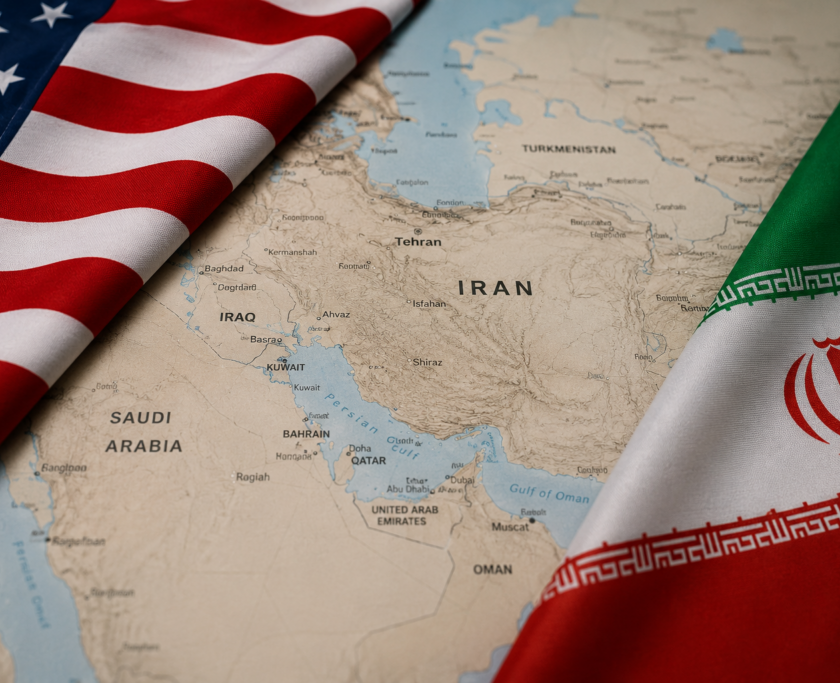
At the center of the immediate danger is the war between Iran and a coalition led by United States and Israel. But this conflict is not isolated. It is unfolding within a wider global environment marked by:
-
Ongoing wars
-
Great-power rivalry
-
Economic instability
-
Climate disruptions
-
Fragile global governance
In strategic terms, the world is transitioning from a unipolar order dominated by the United States to a fragmented multipolar system where regional powers act more independently and conflicts become harder to manage.
The Iran war is therefore not just another regional crisis. It may be a catalyst accelerating the restructuring of global power.
The Immediate War Scenario: Iran vs U.S.–Israel
The current conflict began on February 28, 2026, when coordinated strikes targeted Iranian military infrastructure under what sources describe as Operation Epic Fury.
The war quickly escalated after the killing of Iran’s Supreme Leader Ali Khamenei, followed by the controversial succession of Mojtaba Khamenei.
The battlefield now includes:
-
Air strikes across Iran
-
Missile exchanges with Israel
-
Proxy attacks across the Middle East
-
Naval tensions near the Strait of Hormuz
This combination creates a multi-domain war involving air, cyber, maritime, and proxy operations.
Why the Iran War Is Strategically Different
Unlike previous Middle Eastern conflicts, this war has several characteristics that make it unusually dangerous.
1. Direct Confrontation Between Major Military Powers
For decades, conflicts involving Iran were largely indirect.
Today, however, direct strikes are occurring between states, including Israel and US forces targeting Iranian military infrastructure.
This raises the risk of rapid escalation because:
-
retaliation cycles are faster
-
command decisions are more centralized
-
public opinion pressures governments toward stronger responses
2. Iran’s Asymmetric Military Doctrine
Iran’s military strategy is not designed for conventional warfare against the United States.
Instead, it focuses on asymmetric deterrence:
Key pillars include:
-
ballistic missile forces
-
drone warfare
-
proxy militias across the region
-
naval harassment tactics in the Persian Gulf
This approach allows Iran to impose costs without fighting symmetrically.
Even if Iran cannot defeat US forces conventionally, it can destabilize the entire region.
3. The Energy Weapon
The single most powerful strategic lever Iran holds is geography.
The Strait of Hormuz handles roughly 20% of global oil shipments.
If the strait is blocked or disrupted:
-
global oil prices could exceed $150–200 per barrel
-
shipping insurance costs would skyrocket
-
global inflation would surge
For energy-dependent economies such as India, Japan, and many European countries, this would trigger severe economic stress.
The Proxy War Expanding Across the Middle East
Iran rarely fights alone.
Its regional strategy relies heavily on allied militias and political networks.
Key actors include:
-
Hezbollah in Lebanon
-
Iraqi Popular Mobilization Forces
-
militia groups in Syria
-
armed networks in Yemen
The most immediate escalation risk involves Hezbollah opening a full northern front against Israel.
If that occurs, Israel could face tens of thousands of rocket launches.
This would transform the war into a regional conflict spanning multiple states.
The Wider Geopolitical Chessboard
The Iran war is unfolding alongside several other major global flashpoints.
Together, they form a dangerous geopolitical constellation.
The Ukraine War: A Prolonged Stalemate
The war between Russia and Ukraine has entered its fourth year.
The conflict has evolved into a grinding war of attrition.
Key characteristics now include:
-
entrenched frontlines
-
massive artillery exchanges
-
high economic costs for Europe
Western support remains significant, but political fatigue is growing.
Russia’s strategy appears focused on outlasting Western political unity rather than rapid military victory.
Taiwan Strait: The Next Major Flashpoint
Another critical geopolitical risk lies in the Taiwan Strait.
China considers Taiwan a core national interest and has increased military pressure in recent years.
Tensions involve:
-
naval patrols
-
airspace incursions
-
military exercises
-
strategic competition with the United States
Any confrontation here would be far more consequential than most modern conflicts.
Taiwan produces over 60% of the world’s semiconductors, making it essential to global technology supply chains.
A conflict would likely trigger a global economic shock larger than the 2008 financial crisis.
The Fragmentation of the Global Order
For decades after the Cold War, international politics operated under a largely US-led global system.
Today that structure is weakening.
Major powers increasingly act independently:
-
China builds parallel economic institutions
-
Russia challenges Western security structures
-
regional powers pursue autonomous strategies
The result is a fragmented multipolar order where no single power can enforce stability.
Economic Risks: Energy, Inflation, and Debt
The Iran war threatens to destabilize global markets in several ways.
Energy Shock
Oil prices already reacted sharply to tensions in the Persian Gulf.
Energy markets are extremely sensitive to disruptions in Middle Eastern supply routes.
Shipping Risks
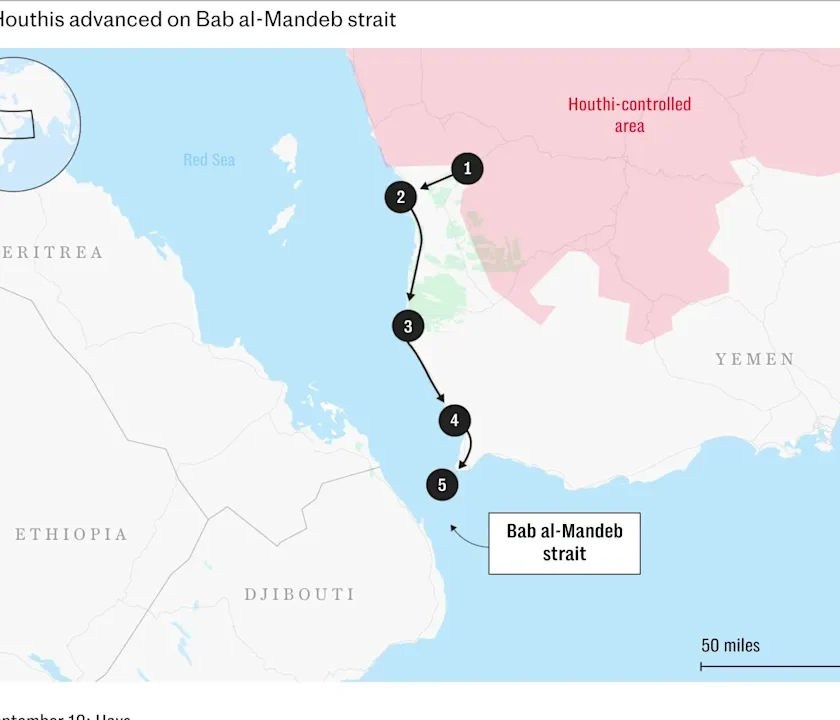
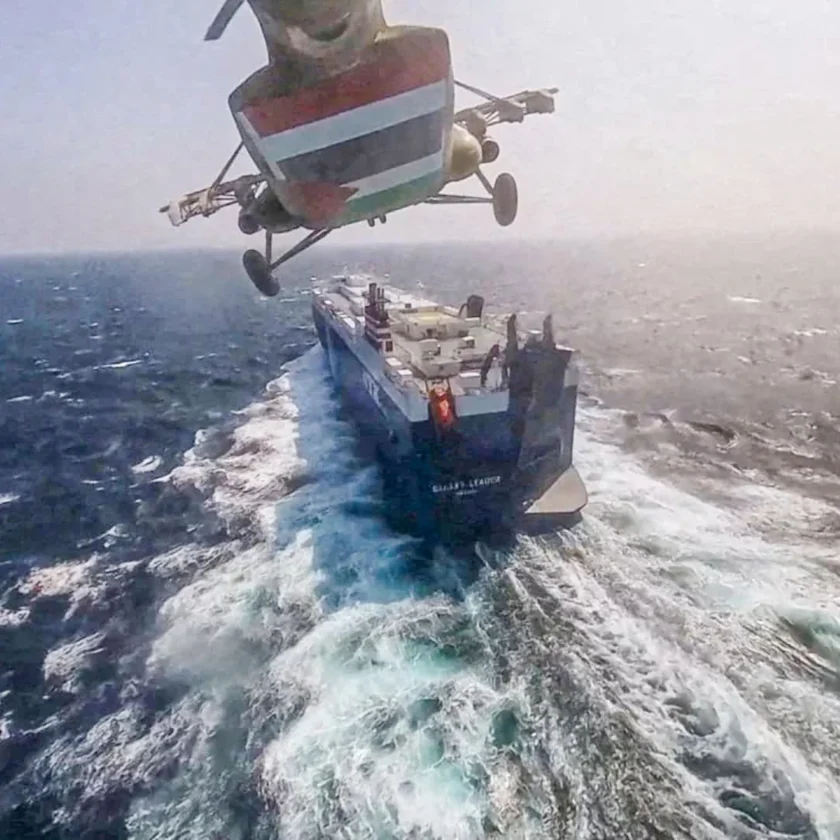
Maritime trade through the Persian Gulf and Red Sea faces rising security threats.
Even small disruptions can ripple across supply chains.
Debt Fragility
Many developing countries already face high debt burdens.
A surge in oil prices combined with rising interest rates could push several economies toward financial crisis.
The Rise of Cyber Warfare
Another emerging battlefield is cyberspace.
States increasingly use cyber operations to target:
-
energy infrastructure
-
banking networks
-
communication systems
-
military logistics
A major cyberattack during wartime could disrupt global financial markets or power grids.
Unlike conventional attacks, cyber operations can be difficult to attribute, complicating responses.
Climate Change: The Silent Crisis Amplifier
While geopolitical conflicts dominate headlines, climate change continues to reshape global stability.
Extreme weather events are becoming more frequent.
Examples include:
-
flooding across South Asia
-
severe droughts in Africa
-
heatwaves in Europe and the Middle East
These disasters drive:
-
food insecurity
-
migration pressures
-
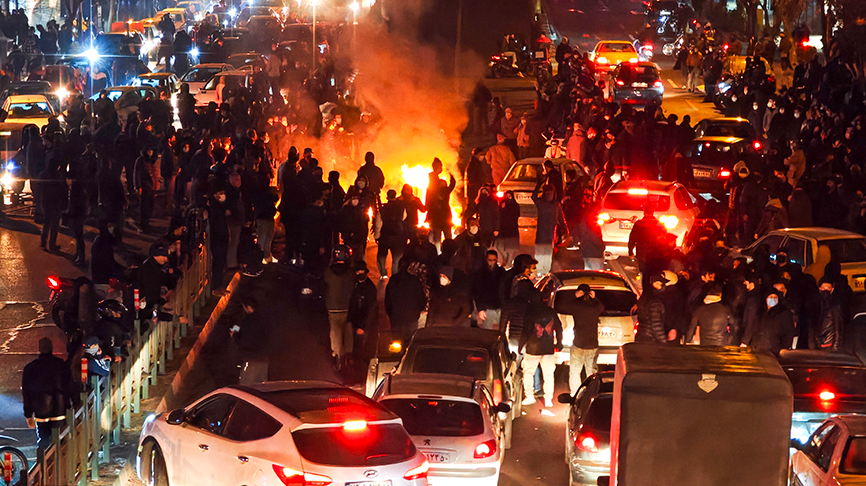
political instability
In many regions, climate stress acts as a force multiplier for existing conflicts.
The Humanitarian Dimension
Modern wars increasingly affect civilians.
Urban combat, missile strikes, and infrastructure damage create humanitarian crises.
In the Iran war:
-
schools and hospitals have reportedly been damaged
-
civilian casualties are rising
-
infrastructure disruption threatens basic services
If the conflict expands regionally, millions of people could face displacement.
The Strategic Calculations of Major Powers
Each global power approaches the current crises differently.
United States
Washington seeks to contain Iranian military capabilities while maintaining influence in the Middle East.
However, US policymakers must balance this with commitments in Europe and Asia.
China
China prefers stability in energy markets but benefits strategically from US distraction in the Middle East.
Beijing is likely to promote diplomacy while quietly strengthening its own regional position.
Russia
Russia views Middle Eastern instability as an opportunity to weaken Western alliances and expand diplomatic leverage.
Possible Scenarios for the Next Phase
Several pathways could emerge from the current crisis.
Scenario 1: Contained Regional War
Fighting continues between Iran and Israel with limited US involvement.
Energy markets remain volatile but manageable.
Scenario 2: Regional Escalation
Hezbollah and other militias fully enter the war.
The conflict spreads across Lebanon, Syria, and Iraq.
Scenario 3: Global Economic Shock
Closure of the Strait of Hormuz triggers an energy crisis and global recession.
Scenario 4: Diplomatic Breakthrough
International mediation leads to ceasefire negotiations.
This would require cooperation among major powers.
Where the World Is Heading
The overarching trend is clear.
The global system is moving toward strategic fragmentation.
Key characteristics of this emerging order include:
-
regional power blocs
-
persistent conflicts rather than decisive wars
-
economic competition replacing globalization
The Iran war is therefore not just a crisis—it is a symptom of a deeper transformation in world politics.
Final Strategic Assessment
As of March 2026, the international system is experiencing converging crises.
The Iran war is the most immediate threat, but it intersects with broader tensions involving Ukraine, Taiwan, and global economic instability.
The world is entering a period where multiple crises overlap, making them harder to manage and more likely to escalate.
In historical terms, this resembles periods such as:
-
the early 20th century before World War I
-
the Cold War era of proxy conflicts
The difference today is that economic globalization, cyber warfare, and climate pressures make the stakes even higher.
The coming decade will likely determine whether the world stabilizes into a new balance of power—or slides into a prolonged era of geopolitical turbulence.