Over 5.63 Crore Liquor Bottles Sold in J&K Till January 2026; Excise Revenue Touches ₹435 Crore
By: Javid Amin | 26 February 2026
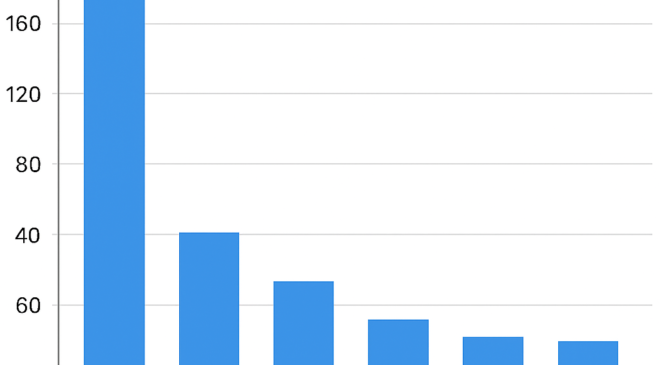
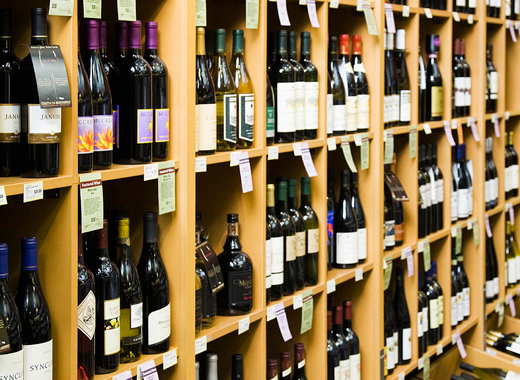
Official excise data reveals that more than 5.63 crore liquor bottles were sold across Jammu & Kashmir up to January 2026, generating approximately ₹435 crore in excise revenue for the Union Territory.
The bulk of sales came from Indian Made Foreign Liquor (IMFL) and beer, reaffirming alcohol taxation as one of the most consistent non-GST revenue streams for J&K’s administration.
While volumes have shown a marginal dip compared to the previous financial year, the excise earnings remain a critical fiscal pillar.
Breaking Down the Numbers
According to excise department data:
IMFL (Indian Made Foreign Liquor)
-
Over 2.11 crore bottles sold
-
1.90 crore in the civil sector
-
20.85 lakh through CSD and paramilitary outlets
-
Beer
-
Over 1.62 crore bottles sold
-
1.61 crore in the civil sector
-
1.26 lakh via CSD/PMF channels
-
Combined, IMFL and beer account for the majority of liquor consumption in J&K.
Revenue Reality: ₹435 Crore Earned
The Union Territory earned approximately ₹435 crore in excise revenue from liquor sales during the period under review.
This revenue is significant for several reasons:
-
It supports administrative expenditure.
-
It supplements development funding.
-
It provides fiscal stability amid fluctuating tourism earnings.
For a region with limited industrial tax bases, excise duty remains a dependable revenue instrument.
Production Context: Government Doesn’t Manufacture Liquor
It is important to clarify that the government does not produce alcohol. Liquor production in J&K is handled entirely by licensed distilleries and breweries operating under regulatory oversight.
Annual production has hovered between 40–41 lakh cases, showing only modest variation year to year.
The state’s role is regulatory and fiscal — not commercial.
District-Wise Pattern: A Sharp Divide
Liquor consumption in J&K is geographically uneven.
1️⃣ Jammu District – The Dominant Contributor
Jammu district alone accounts for nearly 40% of total liquor sales in the Union Territory.
This dominance is attributed to:
-
urban density
-
highway traffic
-
proximity to Punjab and Himachal
-
large civil population
2️⃣ Kathua & Udhampur
Together contributing around 20% of total sales, these districts benefit from:
-
highway outlets
-
industrial zones
-
army cantonments
3️⃣ Srinagar
Despite being the Valley’s largest city, Srinagar contributes less than 10% of total consumption.
4️⃣ Baramulla & Anantnag
Moderate but noticeable sales, often linked to:
-
tourism hubs
-
paramilitary presence
-
seasonal inflows
5️⃣ Other Kashmir Districts
Minimal consumption, largely reflecting:
-
cultural and religious sensitivities
-
limited outlet density
-
social norms discouraging public alcohol use
Civil vs. CSD/Paramilitary Sales
The civil sector overwhelmingly dominates sales volumes.
However, CSD (Canteen Stores Department) and paramilitary outlets provide a steady and predictable stream of consumption, especially in districts with strong security force presence.
This contributes to baseline demand even during tourism slowdowns.
Tourism Effect: Seasonal Spikes
Tourism destinations such as Gulmarg and Pahalgam experience temporary surges in liquor sales during peak seasons.
However, these spikes are relatively small compared to Jammu’s consistent year-round demand.
This creates a paradox:
While the Kashmir Valley may dominate tourism headlines, Jammu anchors excise revenue.
Cultural and Economic Paradox
The data underscores a nuanced reality:
-
Kashmir Valley’s social fabric remains conservative regarding alcohol consumption.
-
Jammu exhibits more open consumption patterns.
-
Revenue collection is therefore regionally concentrated.
Excise taxation has become an economic stabilizer, even as alcohol consumption remains culturally sensitive in many parts of the Valley.
The situation highlights a broader fiscal tension: economic dependence on a controversial revenue source.
Year-on-Year Trend: Slight Volume Dip, Stable Revenue
Though bottle volumes have slightly declined compared to the previous year, revenue has remained relatively stable.
This suggests:
-
pricing adjustments
-
higher tax slabs
-
premium product consumption growth
Revenue stability despite volume moderation indicates tax efficiency.
What This Means for J&K’s Economy
Liquor excise remains:
-
One of the most reliable internal revenue streams
-
Less volatile than tourism earnings
-
Independent of central GST distribution patterns
In a Union Territory balancing fiscal sustainability with social sensitivities, excise duty functions as a financial safety net.
However, policymakers must also weigh:
-
public health considerations
-
addiction concerns
-
socio-cultural impacts
The fiscal calculus cannot be separated from social cost.
Key Takeaways
-
5.63+ crore liquor bottles sold till January 2026
-
₹435 crore earned in excise revenue
-
Jammu district dominates consumption (≈40%)
-
Kashmir Valley contributes significantly less
-
Civil sector drives demand; CSD adds stability
The numbers reveal not just consumption trends, but fiscal dependence patterns.
Conclusion: A Stable Yet Controversial Revenue Stream
At a time when traditional sectors like winter tourism face unpredictability due to climate and geopolitical factors, excise revenue from liquor sales continues to provide fiscal consistency.
But it remains a sensitive subject.
The data reflects a dual reality:
Jammu & Kashmir relies on liquor taxation as a steady revenue source — even as consumption patterns remain deeply shaped by regional culture and social norms.
The debate, therefore, is not only about numbers.
It is about the economic architecture of a transitioning Union Territory.