Trump’s 10–15 Day Ultimatum to Iran: Brinkmanship, Backchannels and What Happens Next
By: Javid Amin | 20 February 2026
A 10–15 Day Clock in a Region on Edge
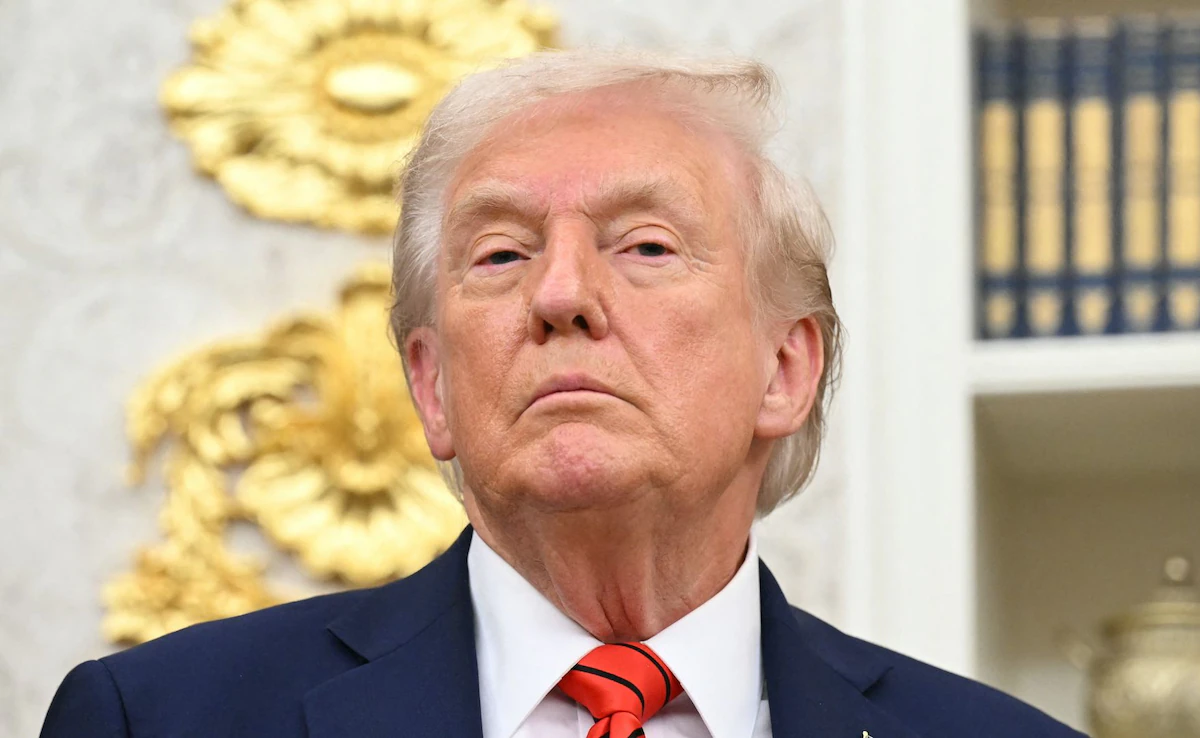
US President Donald Trump has publicly given Iran 10–15 days to agree to a nuclear framework with Washington, warning of “really bad things” if Tehran fails to comply. The remarks—delivered at a Board of Peace event in Washington—were paired with a pointed reminder that last year’s joint Israeli-US strikes on Iranian targets altered the regional balance and helped pave the way for a Gaza ceasefire. He added that limited strikes remain on the table if talks stall.
Tehran’s response was equally direct: senior officials warned that any attack would trigger strikes on US bases in the region. Iran has since signaled readiness through military drills with Russia and calibrated messaging from its foreign ministry that a draft deal could be finalized within days.
This is classic brinkmanship—hard deadlines, military signaling, and quiet diplomacy. The next two weeks will determine whether this becomes a managed de-escalation or a rapid slide into confrontation.
01. Why Now? The Strategic Logic Behind the Deadline
A. Pressure as Negotiation Tactic
Trump’s approach follows a familiar pattern: compress the timeline, raise the cost of inaction, and force counterparties to choose between a deal and pain. By specifying 10–15 days, Washington narrows ambiguity and increases market, diplomatic and military urgency.
B. Regional Context: Gaza and the “Post-Strike” Narrative
Trump framed prior Israeli-US strikes as having weakened Iran’s operational capacity and facilitated a Gaza ceasefire. The implication: the US believes it has regained escalation dominance and can leverage that position in nuclear talks.
C. Domestic Optics
Deadlines resonate with domestic audiences—projecting decisiveness. They also pre-empt criticism that Washington is drifting while Iran’s nuclear program advances.
02. Tehran’s Counter-Strategy: Deterrence Without Closing the Door
A. Threats Against US Bases
Iran’s warning that it would strike US bases if attacked is meant to raise the perceived cost of any limited US action. Tehran’s playbook emphasizes asymmetric retaliation—missiles, drones, maritime disruption—rather than conventional escalation.
B. Joint Drills with Russia
Military exercises with Moscow are strategic signaling. They reinforce the message that Iran is not isolated and retains partners willing to complicate Western pressure.
C. Diplomatic Signaling
Notably, Iran’s foreign ministry has hinted a draft deal could be ready “within days.” This suggests active backchannels and a desire to avoid war while preserving leverage.
03. Military Posturing: The Balance of Risk
US Moves
-
Deployment of a second aircraft carrier to the region.
-
Reinforced air defenses around Gulf bases.
-
Heightened ISR (intelligence, surveillance, reconnaissance) posture.
Iranian Moves
-
Air defense activation near nuclear sites.
-
Missile force readiness drills.
-
Naval patrol intensification in the Strait of Hormuz.
Assessment: Both sides are positioning for deterrence, not immediate war. But compressed timelines increase miscalculation risk—particularly via proxy incidents.
04. What Are the Likely Scenarios?
Scenario 1: Last-Minute Framework Deal (Probability: Moderate-High)
A limited agreement emerges—possibly a freeze-for-freeze arrangement:
-
Iran caps enrichment at a defined threshold.
-
The US eases select sanctions or unfreezes assets.
-
Enhanced monitoring by the International Atomic Energy Agency.
This would buy time without resolving deeper distrust.
Scenario 2: Limited, Symbolic Strikes (Probability: Moderate)
If talks stall, the US could conduct precision strikes on peripheral military infrastructure—not nuclear cores—to signal resolve. Iran would likely respond via calibrated proxy action while avoiding full-scale war.
Scenario 3: Escalatory Spiral (Probability: Low-Moderate but High Impact)
An exchange of strikes broadens—US bases targeted, maritime disruption in Hormuz, Israeli involvement, regional spillover. Oil prices spike; global markets react sharply.
Scenario 4: Deadline Extension (Probability: High)
Publicly firm, privately flexible. Both sides could quietly extend talks while maintaining rhetorical toughness.
05. Regional Actors: Who Gains, Who Loses?
Israel
Jerusalem favors preventing Iran from reaching weapons-grade capability. It may support limited US strikes but prefers sustained US engagement to avoid unilateral escalation.
Gulf States
Saudi Arabia and the UAE prioritize stability and oil market calm. They prefer a negotiated cap on Iran’s program.
Russia
Benefits from US-Iran friction that distracts Washington. Joint drills amplify Moscow’s regional footprint.
Europe
The EU wants revived diplomacy to prevent nuclear proliferation and protect energy markets.
06. Energy Markets and Global Impact
Any kinetic exchange would immediately impact:
-
Oil prices (Hormuz risk premium).
-
Shipping insurance rates.
-
Emerging market currencies.
Markets currently price in negotiation, not war. A shift in tone or a single incident could reverse that calculus quickly.
07. Nuclear Timeline: The Technical Reality
Iran has advanced enrichment capability and stockpiles. The central issue is breakout time—the period needed to accumulate enough fissile material for a weapon. A deal would likely focus on:
-
Enrichment caps.
-
Stockpile reductions.
-
Centrifuge limitations.
-
Verification mechanisms.
Without an agreement, breakout time compresses, increasing urgency for military options.
08. Diplomatic Backchannels: The Quiet Track
Historically, US-Iran crises de-escalate through intermediaries—Oman, Qatar, European envoys. The “draft deal within days” comment strongly suggests negotiations are active behind closed doors.
Deadlines often serve to accelerate private compromise, not guarantee public confrontation.
09. Key Indicators to Watch in the Next 10–15 Days
-
Movement of US carrier strike groups closer to Iranian waters.
-
IAEA inspection statements.
-
Iranian parliamentary rhetoric—hardline vs pragmatic tone.
-
Oil price volatility beyond routine fluctuation.
-
Public messaging shifts from Washington or Tehran indicating flexibility.
10. Strategic Assessment: Brinkmanship, Not Inevitability
Despite sharp rhetoric, neither side appears to seek full-scale war. The US wants constraints without regional conflagration. Iran wants sanctions relief without capitulation.
The most plausible near-term outcome is a managed de-escalation disguised as toughness—a narrow framework that avoids immediate strikes.
But compressed timelines, military deployments and proxy networks create a narrow margin for error. In Middle East geopolitics, miscalculation—not intent—often drives escalation.
Conclusion: Ten Days That Could Redefine the Region
Trump’s 10–15 day ultimatum has transformed nuclear diplomacy into a visible countdown. Tehran’s warnings, military maneuvers and simultaneous diplomatic signals reflect a balancing act: deter, negotiate, survive.
The coming days will likely produce one of three outcomes:
-
A face-saving interim deal.
-
Limited, symbolic military action.
-
Or an extension that quietly defuses the standoff.
At present, the balance of probabilities favors intense negotiation over open war. But in a region shaped by rapid escalation cycles, even a small spark can alter the trajectory.