U.S.–Iran Talks Collapse: Breakdown in Diplomacy Raises Middle East Tension
By: Javid Amin | 04 February 2026
A Diplomatic Deal That Never Materialized
Attempts to restart negotiations between the United States and the Islamic Republic of Iran took yet another dramatic turn in early February 2026. Plans for high-level diplomatic talks — aimed at reducing tensions and addressing long-standing disagreements — were abruptly canceled before they ever began. According to multiple sources, U.S. officials told Tehran that talks could only proceed under a strict set of conditions. When Iran rejected those preconditions, the scheduled negotiations were shelved.
A senior U.S. official was quoted telling Iranian negotiators, “It’s this or nothing.” Iran’s terse reply: “Nothing.” This terse exchange, reflecting entrenched positions on both sides, encapsulates how far the diplomatic relationship has fractured — and why mistrust now outweighs cautious engagement.
This article explains what happened, why the talks collapsed, what each side wanted, and what this means for regional stability and future diplomacy.
The Planned Talks — Background and Expectations
01. What the Talks Aimed to Address
The planned conversation was more than a routine diplomatic meeting.
The United States — under President Donald Trump’s administration — was pushing for a fresh diplomatic engagement with Iran. The core goals reportedly included:
-
Reining in Iran’s nuclear program
-
Addressing missile development and regional militias
-
Clarifying the scope and sequence of sanctions relief
-
Setting a framework for future negotiations
Iran, for its part, has consistently emphasized that any engagement should focus strictly on the nuclear issue and on sanctions relief, rather than broadening to include other security concerns.
02. Where and How Talks Were Scheduled
The planned meeting was scheduled to take place in Oman, a country historically seen as a neutral facilitator between Tehran and Washington. Robert signals from multiple regional actors — including Gulf states — suggested that diplomacy still had backing among key stakeholders worried about escalation.
Yet, even before preparatory talks could begin, disputes arose over location, format, and agenda — ultimately unraveling the process.
Why the Talks Collapsed — A Clash of Preconditions
01. U.S. Position: “This or Nothing”
According to reporting based on senior U.S. officials, Washington presented Iran with a stark choice:
“Change the format and include specific conditions, or the talks will not proceed.”
— senior U.S. envoy (as reported)
These conditions reportedly included:
-
Willingness to address missile capabilities
-
Discussion of Iran’s support for proxy groups
-
Negotiations beyond just nuclear issues
-
Adherence to a U.S.-specified agenda
In essence, the U.S. wanted a multifaceted negotiation — one that encompassed defense and regional security concerns in addition to nuclear constraints.
02. Iran’s Response: “Nothing!”
Iranian officials, by contrast, insisted the talks should:
-
Focus only on the nuclear program
-
Take place bilaterally rather than in an expanded multilateral forum
-
Exclude discussion of Iran’s missile program and security alliances
When the U.S. refused Tehran’s preferred format and agenda changes, Iran reportedly refused to proceed — effectively endorsing a collapse of talks.
Iranian negotiators framed the matter as one of principle and sovereignty — unwilling to accept preconditions that they viewed as coercive or unilateral.
03. Mediation Efforts and Regional Pressure
Before cancellation, several regional governments — including Saudi Arabia, Qatar, and Oman — reportedly urged Washington not to abandon talks.
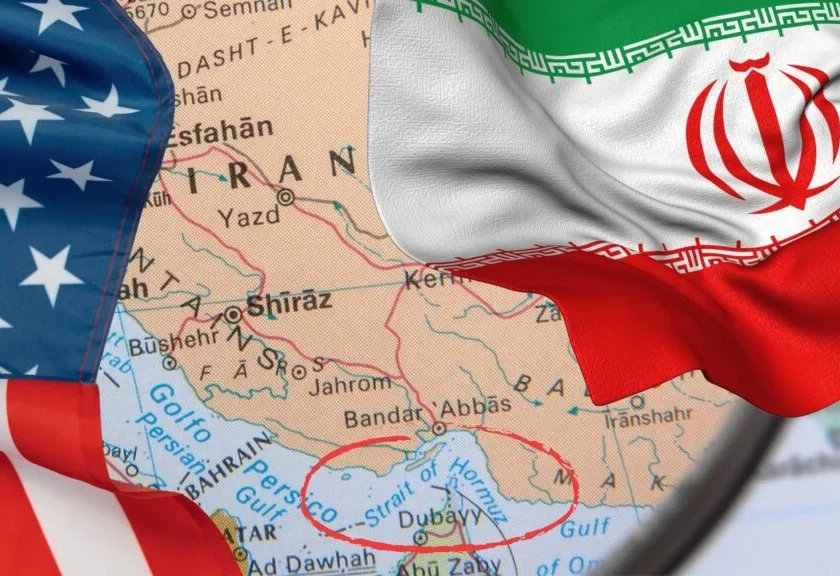
This external pressure reflects broader regional anxiety: many Gulf states fear that a breakdown in U.S.–Iran diplomacy could lead to military escalation or renewed confrontations in the Gulf and the Strait of Hormuz.
Yet despite these interventions, entrenched positions held firm on both sides — leading to a diplomatic freeze.
Why the Breakdown Matters — Geopolitical Context
01. A Decade of Fractured Negotiations
The collapse of these talks fits a larger pattern of mistrust. Since the U.S. withdrawal from the 2015 nuclear deal (known as the JCPOA), negotiations have been uneven — with rounds of indirect talks, often mediated by Oman or European partners, producing limited progress.
Iran has often pledged willingness to negotiate — but only under certain conditions of equality and respect for its sovereignty. Washington demands far broader concessions — including restrictions on missile development, support for regional allies, and more intrusive nuclear restraints.
The resulting impasse has left the diplomatic relationship in a perpetual state of near-talks, near-collapse.
02. Nuclear Tensions and Strategic Stakes
At the heart of these disputes is Iran’s nuclear program — a longstanding point of contention. On one hand, Iran insists its program is for peaceful purposes. On the other hand, the U.S. and allies worry that expanded enrichment could shorten the so-called “breakout time” to nuclear weapon capability.
Moreover, Tehran has boldly refused to include its ballistic missile program in negotiations — an insistence that runs directly counter to U.S. demands.
The clash over scope and sequencing — what is negotiable and what is not — underscores why talks have struggled to gain traction.
Domestic Politics Shape International Positions
01. U.S. Political Signaling
The United States’ hardline approach reflects not just a negotiating strategy but also domestic political messaging. By asserting preconditions and adopting a “take it or leave it” stance, U.S. officials signal firmness to domestic constituencies and global audiences that pressure — not appeasement — is the preferred strategy.
This approach, however, inherently limits diplomatic flexibility and increases the likelihood of breakdowns before talks even begin.
02. Iranian Internal Dynamics
Iran faces its own internal political pressures. Hardliners in Tehran — particularly within the Revolutionary Guard and conservative political circles — strongly resist concessions deemed threatening to Iran’s strategic autonomy.
Iran’s insistence on negotiating only specific issues, and resisting discussion of missiles or regional alliances, reflects these internal political dynamics — which often prioritize sovereignty and non-compromise.
Regional and Global Impact
01. Middle East Stability at Risk
The collapse of these talks doesn’t happen in a vacuum. Gradually rising tensions — including threats of military action, naval buildups in the Gulf, and proxy conflicts — mean that failed diplomacy increases the risk of escalation.
Regional governments, including the United Arab Emirates and Saudi Arabia, have publicly stressed that the Middle East does not need a U.S.–Iran war and are advocating for sustained diplomacy.
Yet without mutual compromise, the risk of miscalculation — accidental or intentional — remains a strategic hazard.
02. Economic and Energy Implications
Iran remains a major oil and gas producer. Any sustained diplomatic deadlock that edges closer to conflict could disrupt markets, affect prices, and unsettle global energy supply chains.
Traders and investors closely monitor Gulf stability — and any heightened tension between Washington and Tehran feeds market volatility.
03. Global Diplomacy and Alliances
Finally, it’s notable how third parties — from Gulf mediators to Russian calls for negotiation to European pressures — are trying to shape outcomes.
Yet without a converging agenda — or willingness to compromise — even broader international backing may only delay impasse.
Conclusion — Stalemate or Strategic Reset?
The collapse of U.S.–Iran talks before they began is not simply a diplomatic setback — it’s a symbolic indicator of entrenched mistrust, competing national narratives, and incompatible negotiation frameworks. When Washington’s “conditions or nothing” meets Tehran’s categorical refusal to negotiate under pressure, the result is predictable: stalemate.
This breakdown is more than a failed meeting — it is a reflection of deep divisions that will shape Middle Eastern geopolitics for years to come. Whether future diplomacy can bridge this gulf — and under what terms — remains one of the most significant unanswered questions of this era.