A Defining Moment in J&K Politics
By: Javid Amin | 02 February 2026
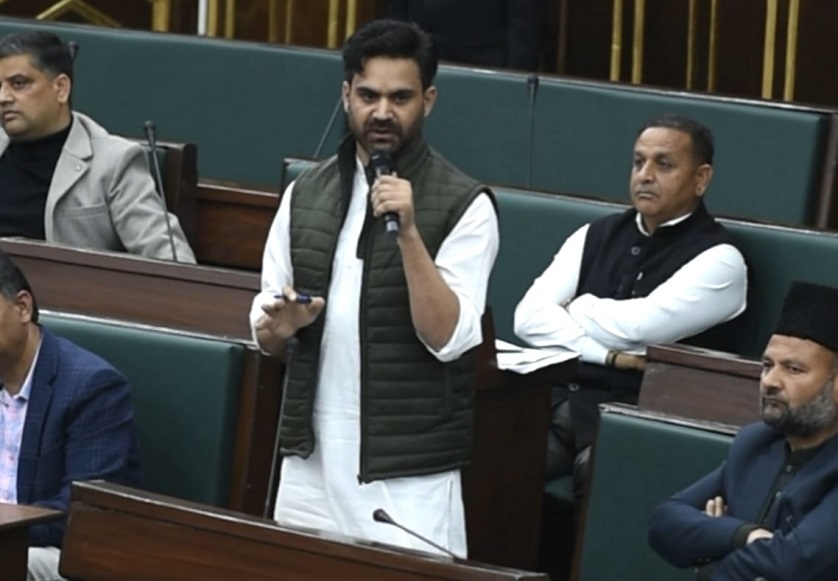
In a session that sharply reflected the rising political and social fault lines in the Union Territory, Peoples Democratic Party (PDP) MLA Waheed Ur Rehman Para submitted an adjournment motion in the Jammu & Kashmir Legislative Assembly — urging lawmakers to urgently discuss the surge of hate crimes, harassment, and targeted attacks against Kashmiris living, studying, and working outside the Union Territory.
This legislative move marked a significant escalation in regional political discourse, thrusting issues of safety, dignity, and constitutional protection for Kashmiris into the heart of the Assembly, even as other political actors focused on contrasting priorities such as institutional development for Jammu — including demands for a National Law University (NLU). The adjournment motion — a powerful parliamentary instrument — signaled the gravity and urgency of concerns over alleged hate crimes that are resonating far beyond the Valley and Jammu divisions.
What an Adjournment Motion Represents
Understanding the Parliamentary Tool
An adjournment motion in legislative practice is not a routine matter. It is invoked to suspend regular business and compel debate on an issue considered urgent, serious, and of public importance — often relating to national or societal threats that require immediate attention. In Jammu & Kashmir’s context, moving such a motion reflects both political strategy and a heartfelt plea to place a contentious issue at the center of legislative focus.
PDP’s Waheed Para used this instrument to create space for an inclusive, urgent debate on what he described as “rising hate crimes and targeted harassment” against Kashmiris outside the Union Territory — asserting that these incidents jeopardize the constitutional rights, safety, and dignity of citizens solely because of their identity.
The Case for Urgent Debate – What Para Highlighted
Allegations of Targeted Violence and Harassment
In the motion submitted to the Assembly Secretariat, Para detailed a pattern of recent harassment and hate-related incidents targeting Kashmiris — particularly students, traders, and working-class citizens — in various parts of mainland India. These include:
-
Verbal abuse, threats, and forced eviction of students living in hostels or rented accommodations outside the Union Territory.
-
Physical assaults and intimidation against Kashmiri youth and workers, often described as a consequence of identity-based prejudice.
-
Emerging fear and insecurity among thousands of Kashmiris who travel beyond J&K for education, jobs, or business opportunities.
Para framed these occurrences as “not isolated but part of an alarming pattern of targeted violence and hate crimes.” He urged the Legislative Assembly to collectively express concern, call for protective measures, and demand concrete intervention from both the Union Home Ministry and state governments where these crimes have been reported.
Proposed Protective Measures and Policy Ideas
In his motion and related communications, Waheed Para did more than highlight the problem — he proposed specific policy responses:
1. Demanding Institutional Responses
Para advocated for strong interventions including:
-
Official condemnation of hate crimes by legislative resolution
-
Coordination between the Union Home Ministry and state law enforcement agencies
-
Enhanced security protocols and alerts for Kashmiri students and workers in vulnerable areas
2. Support Infrastructure for Kashmiris Outside the UT
The motion included proposals that would require governmental and administrative coordination to ensure:
-
Dedicated helplines and emergency support systems
-
Appointment of nodal officers in regions with high concentrations of Kashmiri students or workers
-
Safe accommodation options or community support networks for those facing hostility due to identity
-
Strict prosecution and speedy justice against perpetrators of hate crimes
Such measures, while not detailed in law yet, provided a legislative blueprint for protecting citizens irrespective of jurisdictional boundaries — highlighting that Kashmiris’ safety is not just a regional but a national constitutional imperative.
Political Reactions Inside the Assembly
1. BJP’s Continued Focus on Regional Development Issues
Meanwhile, Bharatiya Janata Party (BJP) legislators continued their own protest activities within the Assembly — including placard demonstrations demanding the establishment of a National Law University (NLU) in Jammu and other calls for regional parity in institutional development. These actions drew pushback from opposition members who argued that they violated Assembly decorum.
In a related display of dissent, two BJP MLAs — Rajiv Jasrotia and Pawan Gupta — staged a walk-out from the House during the proceedings, indicating frustration with what they termed “unsatisfactory government responses.”
2. Congress MLAs and the Question of Decorum
Congress members, notably MLA Nizamuddin Bhat, criticized the BJP for its protest method, emphasizing that the Assembly should prioritize structured debate over theatrics or protest displays. This echoed earlier objections during similar episodes where opposition leaders insisted that the House remain a forum for deliberation rather than demonstration.
3. Sajad Bhat and Opposition’s Support for Para’s Motion
Leaders from opposition benches, including Congress’s Sajad Bhat, supported Para’s motion, aligning with the broader contention that the Assembly must address the human rights and safety concerns affecting Kashmiris nationwide. This marked a rare intersection where different opposition parties coalesced around an issue transcending routine policy debates, connecting regional politics to citizens’ wellbeing outside the UT.
Broader Context — Regional Development vs Minority Protection
Contrasting Political Narratives
The adjournment motion and the surrounding political reactions reveal a stark contrast in agenda among political actors:
BJP’s Emphasis on Institutional Parity for Jammu
BJP’s insistence on establishing a National Law University in Jammu reflects longstanding regional demands for equitable development and access to premier education within the division — a demand tied to perceived historical imbalances between Jammu and Kashmir.
Opposition’s Focus on Rights and Safety
In contrast, the opposition — led in this context by PDP’s Waheed Para — shifted the assembly’s attention to identity-based violence and harassment experienced by Kashmiris outside the UT, demanding protective mechanisms and accountability.
This duality has transformed the Assembly from a body solely focused on local governance issues into a platform where national and human rights issues are debated alongside regional development priorities.
National Resonance of the Debate
Why the Motion Matters Beyond J&K
While the Assembly is a territorial institution, the issues raised in Para’s motion have national resonance for several reasons:
1. Constitutional Rights and Equal Protection
The motion underscored how constitutional guarantees of equality, safety, and dignity under Articles 14 and 21 must extend to Indian citizens irrespective of where they reside — including Kashmiris living, studying, or working outside their home Union Territory.
2. minority Safety in a Diverse Nation
The topic intersects with larger national conversations about minority safety and communal harmony — issues that have repeatedly surfaced in Indian public discourse and elections.
3. Federal Responsibilities
Para’s call for coordination between the Union Home Ministry and state governments highlights key federal governance mechanisms in addressing cross-jurisdictional safety concerns faced by minorities.
In articulating such positions, the motion connects local legislative procedures to the broader national goals of unity, protection of minorities, and adherence to constitutional values.
Implications for Public Policy and Social Cohesion
1. Legal and Administrative Repercussions
If the adjournment motion is accepted for discussion:
-
It could compel the government to clarify its stance on hate crimes and safety concerns.
-
It may lead to formal legislative resolutions condemning such crimes.
-
It might result in policy directives or coordination committees involving state law enforcement and central ministries.
2. Public Confidence and Community Assurance
Public trust in governance increases when legislative bodies proactively address violence, discrimination, and safety threats — especially for communities that travel and settle outside their homelands for opportunity. A constructive debate could therefore enhance confidence among Kashmiris that their rights are defended by their representatives.
3. Electoral and Political Fallout
The motion and the reactions to it could also influence electoral politics, shaping narratives for upcoming elections — particularly around issues like identity protection, regional development, and governance effectiveness.
Conclusion: A Session of Symbolic and Political Significance
PDP’s Waheed Ur Rehman Para’s adjournment motion over rising hate crimes against Kashmiris outside Jammu & Kashmir marks a turning point in the Assembly’s current session. It transformed internal proceedings into a forum for national human rights discourse — signaling that regional legislatures can and do address concerns that extend beyond their territorial limits.
Amid contrasting priorities — institutional development, regional parity, and rights protection — the Assembly became a microcosm of broader Indian democratic dilemmas: how to balance local aspirations with the national imperative of protecting citizens everywhere. This debate, and its ultimate outcome in the Assembly, will likely be watched closely by policymakers, activists, and citizens alike — as a measure of India’s commitment to equality, dignity, and constitutional justice for all communities.