Mehbooba Mufti Urges Separate Budget for Old Srinagar Ahead of J&K Legislative Budget Session | Heritage, Urban Development Focus
By: Javid Amin | 01 February 2026
Political Call for Fiscal Attention to Old City
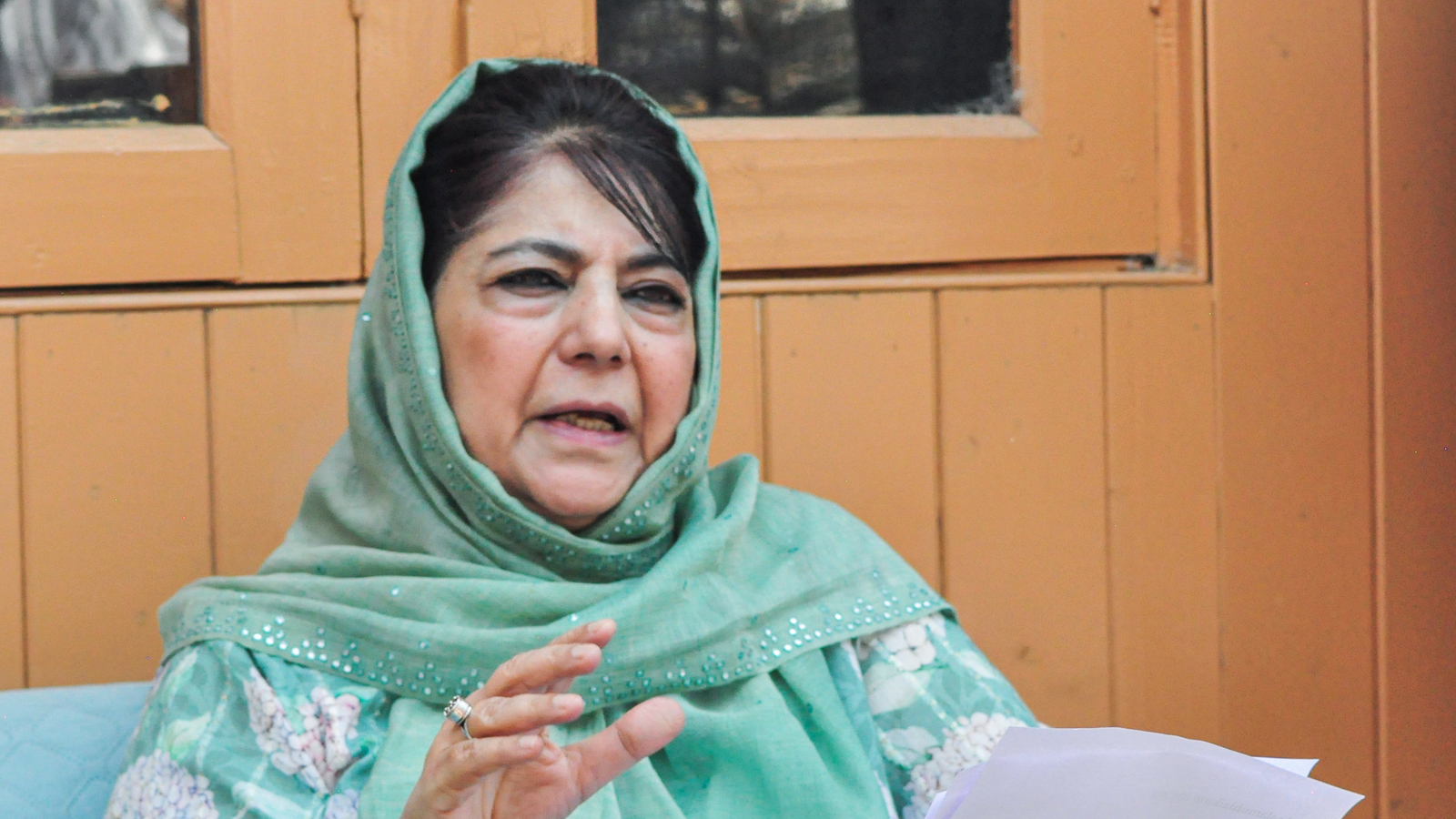
Peoples Democratic Party (PDP) president and former Jammu & Kashmir Chief Minister Mehbooba Mufti has publicly urged the Union Territory government to allocate a dedicated budget for Old Srinagar city (Shahr-e-Khaas), underscoring deep-rooted concerns over heritage preservation, infrastructure neglect, and uneven development.
Her appeal comes on the eve of the Jammu and Kashmir Legislative Assembly’s budget session, expected to commence Monday with Lieutenant Governor Manoj Sinha’s address, followed by the presentation of the annual budget by Chief Minister Omar Abdullah, who also holds the finance portfolio.
Why Old Srinagar? A City Within a City With Unique Needs
Old Srinagar — historically known as Shahr-e-Khaas — is more than an administrative subdivision; it is the cultural core of the Kashmir Valley. Characterised by narrow lanes, centuries-old markets, traditional bazaars, and iconic heritage sites, the area is a significant repository of Kashmir’s social and cultural identity.
However, according to Mehbooba Mufti:
-
Infrastructure and civic services lag behind newer parts of the city.
-
Heritage sites and traditional livelihoods such as handicrafts and tourism suffer from neglect and competitive pressures.
“Shahr-e-Khaas has its own problems and there should be a separate budgetary provision that is exclusively used for the development of this area,” Mufti said at a public gathering in the Babademb-Khanyar area of Srinagar.
Economic and Social Rationale Behind the Demand
Mufti’s argument rests on multiple pillars:
1. Heritage and Cultural Preservation
Old Srinagar’s historic architecture — from mosques like Jamia Masjid to centuries-old market precincts — require restoration and conservation plans that conventional urban budgets often overlook. Preservation of such sites is critical not just for cultural continuity but also for tourism revenue.
2. Socio-economic Distress
The ex-chief minister pointed out that many residents here are engaged in handicrafts, tourism, roadside vending and transport services. These sectors have witnessed downturns, particularly with competition from machine-made products which have eroded earnings of traditional artisans.
Mufti underscored that a majority of locals fall under the general category, without the benefit of reservation in government employment — adding to the need for targeted socio-economic interventions.
3. Youth, Mental Health, and Civic Concerns
During her remarks, Mehbooba emphasised growing mental health challenges among youth in the old city, linking these issues to broader social stressors, including limited access to economic opportunities and community support systems.
She also praised younger participants in the PDP’s “Kath Baat” dialogue for their awareness and engagement on local issues, as a reminder that governance must respond to evolving generational needs.
Political Context: J&K Budget Session After Years of Assembly Governance
The legislative assembly’s budget session holds special significance in the Union Territory context. While previous budget exercises were carried out differently, the current session is part of the first comprehensive budget cycle in recent years following the restoration of legislative governance in J&K.
This amplifies the political stakes of budgetary demands as lawmakers and local leaders campaign for allocations that reflect region-specific priorities — from infrastructure to socio-economic growth.
Heritage vs. Modernisation: A Broader Policy Debate
Mehbooba’s call also draws attention to a larger and ongoing urban governance dilemma: how to balance modern development pressures with heritage conservation.
Old Srinagar’s urban fabric differs markedly from planned sectors of the city:
-
Narrow streets and traditional housing patterns challenge conventional infrastructure expansion.
-
Public utilities — drainage, sewage, road surfaces — often lag behind newer developments.
Supporters of the demand argue that piecemeal budget lines spread across general urban allocations often fail to deliver results proportional to local needs. A special budget could allow:
-
Restoration partnerships for heritage structures.
-
Targeted infrastructure improvements respecting historical layouts.
-
Dedicated tourism and handicrafts support schemes.
Critics might contend that a separate budget risks budget fragmentation, but proponents say it ensures accountability and transparency in fund utilisation.
Public Sentiment and Grassroots Voices
Residents of Old Srinagar have for years lamented disparities in development compared to other city areas, citing:
-
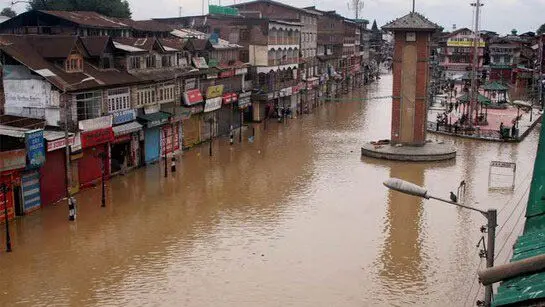
Frequent waterlogging due to inadequate drainage.
-
Limited public sanitation facilities.
-
Deteriorating condition of historic streets and bazaars.
Local artisans and small business owners, especially in the shawl, carpet, and handicraft trades, feel squeezed by modern competition and insufficient market support. Mehbooba’s demand amplifies these ground sentiments into a political narrative backed by data from community engagements.
Her call to address mental health concerns among youth echoes reports that grapple with both unemployment and limited access to recreational public spaces — issues that city-wide budgets often do not explicitly tackle.
Political Narrative and Broader Implications
Mufti’s demand is not purely administrative. By focusing attention on Old Srinagar ahead of a major budgetary debate:
-
PDP positions itself as a champion of heritage preservation and community rights.
-
The issue becomes shorthand for criticisms that broad urban planning often marginalises historic cores.
-
It highlights the political interplay between local identity politics and developmental governance.
In the run-up to the budget session, this demand may shape negotiation stances among parties and influence the allocation discussions in the legislature.
What Happens Next: Budget Session and Beyond
The Jammu and Kashmir Legislative Assembly budget session, scheduled to begin on Monday, will include discussions on fiscal allocations for the upcoming year, with Chief Minister Omar Abdullah tabling the budget on Feb 6.
Mehbooba Mufti’s call, therefore, arrives at a critical moment — pushing the agenda for urban heritage and targeted rural-urban fiscal instruments within a broader framework of equitable development.
Beyond Old Srinagar, this could set a precedent for other heritage cities across India — blending conservation-linked budgeting with contemporary city governance priorities.
Conclusion
Mehbooba Mufti’s appeal for a separate budget for Old Srinagar (Shahr-e-Khaas) reflects a blend of cultural preservation urgency, urban development imperatives, and socio-economic advocacy. As J&K’s budget session unfolds, the intensity of this demand underscores how fiscal policy debates are increasingly shaped by grassroots realities and heritage-centered governance narratives.
Her proposal places heritage, livelihoods, youth welfare, and civic infrastructure at the heart of contemporary political discourse — pushing institutional attention toward parts of the city that many long felt were left behind in broader urban planning frameworks.