“Attacks on Kashmiris Outside J&K Unacceptable, Must Stop”: Omar Abdullah Condemns Rising Violence and Calls for Protection
By: Javid Amin | 29 January 2026
From Dehradun to Himachal: CM Omar Abdullah’s appeal to the Centre, ground patterns of assault on Kashmiris, and what it means for national unity
A Political Plea Amid a Disturbing Pattern
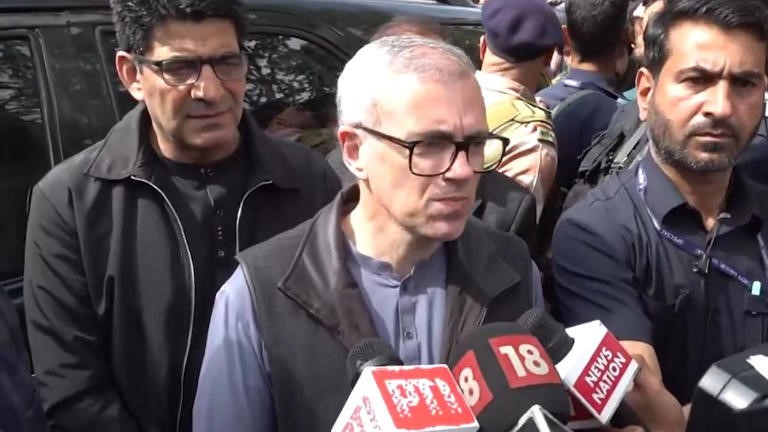
Chief Minister Omar Abdullah has issued a stark warning on the growing pattern of attacks targeting Kashmiris living or working outside the Union Territory of Jammu and Kashmir (J&K). In a statement that has reverberated politically and socially, he condemned the incidents as “unacceptable” and urged: “These must stop.” Emphasising that India cannot claim J&K as an inalienable part of its territory while its citizens fear for their safety elsewhere, Abdullah’s appeal extends beyond political rhetoric to a deeper question about national cohesion, minority rights, and communal harmony.
His remarks follow a series of reported assaults — most prominently in Uttarakhand’s Dehradun and previously in parts of Himachal Pradesh — where Kashmiri traders, particularly seasonal shawl sellers, have been targeted, harassed, and in some cases physically attacked. These incidents have triggered protests, police action, and renewed public debate about the treatment and security of Kashmiri citizens living outside their home region.
The Incident That Sparked National Attention: Dehradun Assault
On January 29, 2026, local media reported a brutal assault on two Kashmiri youths in the Vikas Nagar area of Dehradun, Uttarakhand. The victims, identified as Danish (18) and his younger brother, were selling shawls when they were stopped by a shopkeeper who questioned them about their identity after hearing them speak in their native Kashmiri language.
Once it was established that they were Muslim and from Kashmir, the situation escalated into a violent attack allegedly involving slurs, physical assault with iron rods and sticks, and repeated punching, leaving the elder brother with serious head injuries and a fractured arm and the younger sibling with minor injuries.
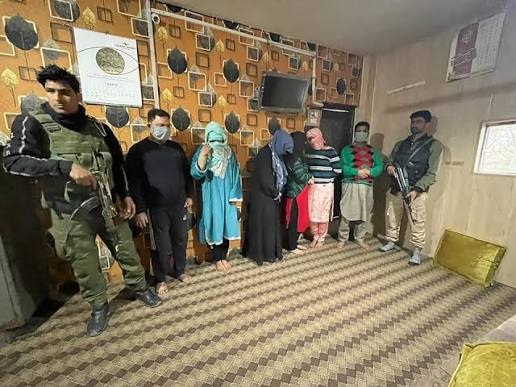
Police registered an FIR in the case, and one suspect, identified as a local shopkeeper, was detained. Uttarakhand’s senior police officials clarified that the violence stemmed from an altercation that began inside the shop, though community leaders and protesters describe it as identity-based harassment, pointing to the broader context of other similar incidents.
This assault quickly drew nationwide attention, prompting protests by local Kashmiri groups near the police station and an appeal from CM Omar Abdullah to the Uttarakhand Chief Minister for strict action against the perpetrators.
Patterns of Attacks on Kashmiris Outside J&K
While the Dehradun case is one of the most widely reported, it is not an isolated event. Ground and media reports indicate a pattern of harassment against Kashmiris, particularly seasonal traders and shawl sellers, across parts of northern India:
1. Assault and Intimidation in Uttarakhand’s Udham Singh Nagar (Dec 2025)
Earlier in December 2025, a Kashmiri shawl vendor, identified as Bilal Ahmed Ganie, was allegedly assaulted, robbed, and threatened with expulsion in the Kashipur area of Udham Singh Nagar district by a group identified as Bajrang Dal activists. Local advocacy groups, including the Jammu and Kashmir Students Association (JKSA), demanded police action and protection for Kashmiri traders in the region, highlighting the vulnerability of shawl vendors who support their families through seasonal work.
2. Earlier Assaults in Himachal Pradesh (2025)
Local reports and community accounts pointed to multiple incidents in towns across Himachal Pradesh — including verbal abuse, threats, and occasional physical altercations — directed at Kashmiri shawl sellers. In some cases, tensions emerged after accusations linking individuals to broader regional violence, although official records on these specific incidents vary.
3. Mussoorie Assault and Departure of Vendors (April 2025)
In April 2025, at least 16 Kashmiri shawl sellers left Mussoorie following reported assaults by local men in a violent incident that included threats and abuse. Although arrests were made initially, lack of sustained action and concerns for safety forced long-term vendors to depart the town with their goods left behind.
Chief Minister’s Response: Condemnation and Call for Action
Reacting to the Dehradun incident and citing previous cases, CM Omar Abdullah took to social media platform X to express strong condemnation, stating:
“This recent series of attacks … are unacceptable and must stop. It can’t be claimed that J&K is an inalienable part of India while people from Kashmir, in other parts of the country, live in fear for their lives.”
Abdullah’s statement emphasised a core contradiction: assertions of national unity and territorial integrity lose moral weight when citizens from that disputed or conflict-affected region fear violence and insecurity beyond its borders. He further indicated that the J&K government will intervene wherever necessary to protect its residents and appealed to the Ministry of Home Affairs (MHA) to sensitise other state administrations to ensure safety and dignity for Kashmiris nationwide.
Reflecting the political sensitivity of the issue, Abdullah directly called Chief Minister of Uttarakhand Pushkar Singh Dhami to press for strict action against the accused, which led to the registration of an FIR under relevant sections of the Bharatiya Nyaya Sanhita and the custody of at least one suspect connected to the physical assault.
Why This Matters: The Broader Implications
The growing discourse over attacks on Kashmiris outside J&K carries significant political and social implications for India’s internal cohesion and constitutional fabric.
1. National Identity and Inclusivity
The incidents underscore tensions between assertions of a unified national identity and the lived realities of minority communities in different parts of India. Abdullah’s remark that Kashmiris “live in fear” outside their home region highlights a disconnect between political rhetoric and social experience that can undermine citizens’ sense of belonging and equality under the Constitution.
2. Law Enforcement and Minority Protection
The pattern of assaults involving questions about identity, religion, and origin raises questions about the effectiveness of local law enforcement in preventing identity-based harassment. Political leaders, civil society organisations, and constitutional scholars argue that ensuring safety and dignity for all citizens — irrespective of their place of origin — is foundational to democratic governance and social harmony.
3. Economic Vulnerability of Seasonal Traders
Many of the affected individuals are seasonal shawl sellers who travel to hill states like Uttarakhand and Himachal Pradesh during winter to earn livelihoods. Reports show that long-term vendors — such as Bilal Ahmed Ganie, who had sold shawls for over eight years in Uttarakhand — become vulnerable when violence disrupts their work, strips them of earnings and stock, and creates fear that inhibits their ability to operate.
4. Political Sensitivity in a Conflict-Affected Region
Attacks targeting Kashmiris outside their home region feed into broader anxieties related to the Kashmir conflict, post-Article 370 political developments, and social polarisation. Politicians often reference identity-based incidents in debates over federalism, integration, and the rights of historically marginalised groups.
Voices from the Ground: Community Fear and Protest
Community organisations such as the Jammu and Kashmir Students Association (JKSA) have highlighted the emotional and economic toll these incidents take on Kashmiris far from home. In Dehradun, protesters gathered outside a police station carrying injured youths and demanding justice, reflecting not only anger but also fear that such violence could recur without decisive action.
Local Kashmiri vendors have described an escalation in anxiety linked to identity profiling, with some alleging that attackers have invoked recent events — such as the April 2025 Pahalgam terror attack on tourists — to justify their hostility, even when there is no evidence connecting individual traders to such incidents.
Official Responses and Law Enforcement Action
Following the Dehradun assault, law enforcement took swift action: an FIR was registered at Vikasnagar police station, and the primary accused was apprehended, with investigations continuing to identify additional suspects. Authorities have stated they will pursue the case under sections of the Bharatiya Nyaya Sanhita related to grievous hurt and intentional insult with intent to provoke breach of peace.
At the national administrative level, the Ministry of Home Affairs has previously asserted that violence against Kashmiris and seasonal traders will not be tolerated, affirming that all citizens have the right to move, work, and live anywhere in India without fear of attack. This response signals official recognition of the issue’s seriousness and an intent to engage with state police and civil society to prevent recurrence.
The Role of Social Media and Public Discourse
In the digital age, videos and posts related to these incidents rapidly go viral, shaping public perceptions and often amplifying tensions. In one widely circulated video from April 2025, at least 16 shawl sellers reportedly left Mussoorie after assaults and local hostility, provoking online activism and debate about community safety and identity.
Political and civil society leaders leverage platforms like X (formerly Twitter) to amplify concerns and mobilise public opinion, while critics highlight the need for responsible discourse that fosters mutual respect and societal cohesion.
Policy and Governance Challenges
The emergence of regional violence based on identity outside conflict zones like J&K poses a challenge for federal governance in India. While the Constitution guarantees freedom of movement and equality before the law, implementation hinges on:
-
State police responsiveness
-
Community policing and local outreach
-
Public awareness campaigns
-
Inter-state coordination on minority protection
CM Omar Abdullah’s appeal for the Centre to sensitise other states aims to address this gap by urging broader administrative action and policy norms that prevent harassment before it escalates to physical violence.
National Conversation on Pluralism and Safety
These incidents have sparked wider debate about pluralism, tolerance, and minority safety in India. Commentators and civil rights advocates argue that the safety of Kashmiris outside J&K is not just a regional issue but a test of India’s constitutional commitments to secularism and equal protection.
Some voices underscore that failure to address identity-based harassment could erode trust between communities and ultimately weaken the country’s claim to unity and respect for diversity.
Conclusion: A Call to End Unacceptable Violence
The recent spike in identity-linked assaults on Kashmiris outside Jammu & Kashmir — from Uttarakhand to Himachal Pradesh — represents a serious social challenge that demands urgent attention. Chief Minister Omar Abdullah’s condemnation of these attacks as “unacceptable” and his appeal for both state and central intervention reflect broader concerns about belonging, safety, and constitutional rights.
Ensuring that Kashmiris — or any community — can live, work, and travel without fear across India is not merely a law enforcement task; it is a reflection of the nation’s commitment to unity, equality, and dignity for all citizens.