Challenges: Exploitation, Decline, and Market Saturation
The renewed concern expressed by the Copper Handmade Utensils Union, echoed by sections of the administration, about saving handmade copperware has reopened a larger and more uncomfortable debate about the future of traditional crafts in Kashmir. While the intention to protect any indigenous craft is welcome, the selective urgency surrounding copperware raises critical questions about policy consistency, cultural priorities, and economic realism.
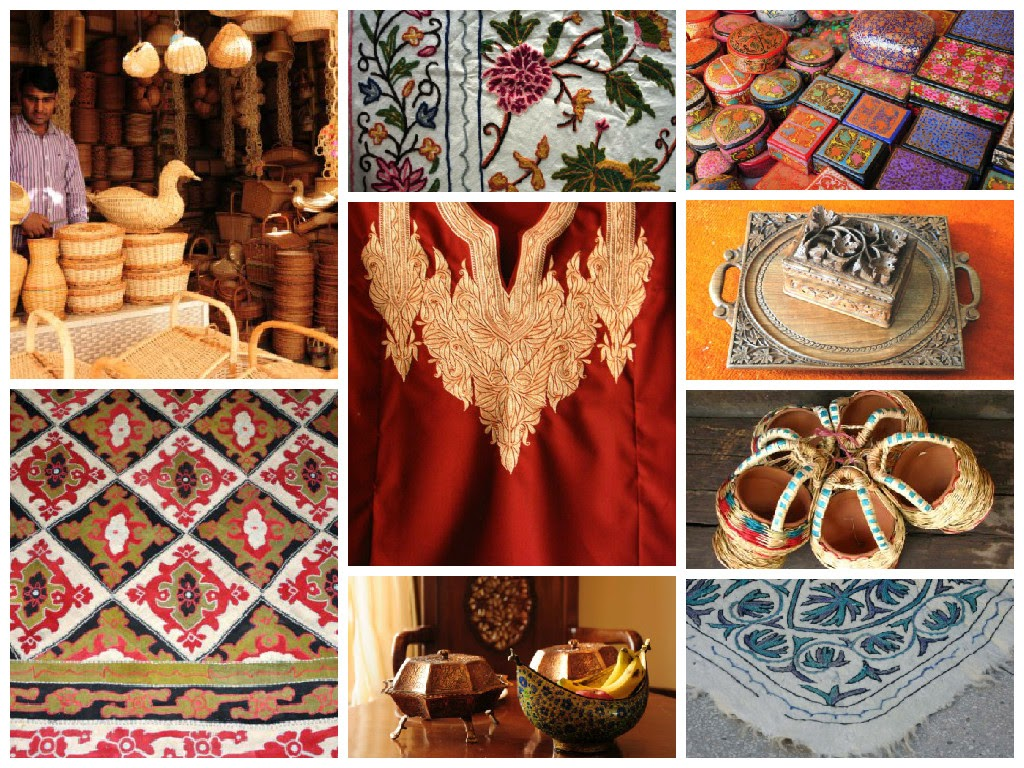
Kashmir has historically been a global centre of handicrafts. From carpet and shawl weaving to handmade paper, kitabat (calligraphy), wood carving, papier-mâché, chain stitching, crewel work, namdas, gabbas, traditional cooking utensils, gold and silver work—the region once sustained an entire ecosystem of artisan-based livelihoods. Most of these crafts have not merely declined; they have been pushed to the margins or quietly erased by industrialisation, mechanisation, and cheaper substitutes. Their disappearance was gradual, visible, and largely unresisted.
This makes the present focus on copperware puzzling. Why has copperware suddenly become the symbol of cultural survival, while countless other crafts were allowed to fade without protest, institutional backing, or public campaigns? If copper utensils are indeed uniquely significant—culturally, medically, or economically—then the responsibility lies with unions and policymakers to explain this distinction transparently. Cultural preservation cannot be selective without inviting scepticism.
The harsh truth is that handicrafts do not survive on sentiment alone. Markets are governed by need, demand, purchasing power, convenience, and alternatives. Industrialisation did not target Kashmiri crafts maliciously; it offered faster, cheaper, and more accessible products to a population whose economic realities were changing. Carpet looms gave way to power looms, handmade paper to printing presses, traditional bread-making to commercial bakeries, and copper utensils to stainless steel and aluminium. These transitions were not imposed overnight; they were embraced gradually by consumers themselves.
To argue today that copperware must be protected without acknowledging these forces is to ignore economic history. Hollow slogans about revival, unsupported by structural reforms, risk turning cultural preservation into a performative exercise. If the Jammu & Kashmir administration permits the sale of copperware through online portals, competition from machine-made products across India and global markets will be inevitable. Artisans will not be competing in a protected cultural bubble but in an unforgiving digital marketplace.
There is also an uncomfortable issue of credibility. For years, machine-made copper utensils were sold openly under the label of “handmade,” often at premium prices. This practice became fashionable, widely known, and rarely challenged. Where were the unions and watchdogs then? Why were complaints not lodged with concerned departments when misrepresentation became the norm? Selective activism—reacting only when market trends turn unfavourable—weakens the moral authority of the cause.
Revival of handicrafts is necessary, but revival without honesty is futile. True revival requires more than emotional appeals; it demands consumer education, strict certification of genuine handmade products, skill modernisation, fair pricing mechanisms, and marketing strategies that acknowledge contemporary realities. It also requires policymakers to admit an uncomfortable truth: not every traditional profession can survive in its original form.
Preservation does not always mean freezing a craft in time. It can mean adaptation—integrating traditional skills with modern design, diversifying product utility, and aligning craftsmanship with current lifestyles. Many global craft traditions have survived not by resisting change, but by negotiating with it intelligently.
Artists, too, must confront the evolving landscape with realism rather than resentment. Denial of trends does not stop them. Industrialisation has already reshaped consumption patterns, and ignoring this will only accelerate decline. The real challenge is to ensure that adaptation happens with dignity, not exploitation.
Kashmir’s handicraft legacy deserves respect, but respect must be grounded in policy coherence and economic logic. Mourning a craft only when it nears extinction, or elevating one craft while ignoring others, does not amount to preservation—it amounts to selective nostalgia. If revival is truly the goal, it must be comprehensive, transparent, and rooted in reality rather than rhetoric.
Only then can handicrafts move beyond symbolic survival and reclaim a meaningful place in contemporary society.