Severe Cold Wave Grips Kashmir as IMD Predicts Snowfall and Rainfall
By: Javid Amin |20 January 2026
Kashmir in the Grip of a Relentless Cold Wave
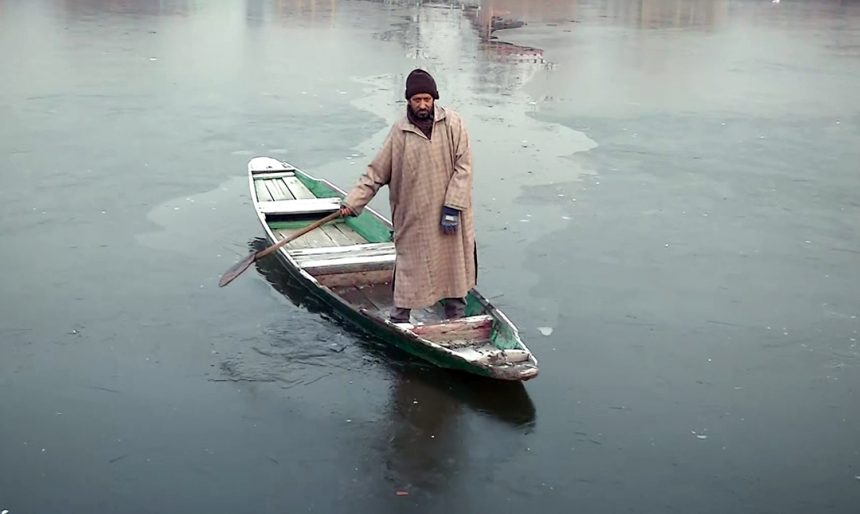
Kashmir continues to endure an intense cold spell as winter tightens its grip across the Valley. Sub-zero night temperatures have become routine, freezing water bodies, hardening the ground, and disrupting daily life. Srinagar, the summer capital, has repeatedly recorded temperatures well below freezing, underlining the severity of the ongoing cold wave.
The harsh conditions coincide with Chilai Kalan, Kashmir’s traditional 40-day period of extreme winter, when the region experiences its coldest temperatures, frozen lakes, and heavy reliance on heating.
Weather Conditions: Cold, Dense Air and Poor Visibility
The persistent cold has been accompanied by:
-
Near-freezing daytime temperatures
-
High humidity levels, intensifying the chill
-
Reduced visibility during mornings due to fog and haze
-
Moderate to poor air quality, especially in urban areas
The combination of stagnant air, increased use of heating fuels, and minimal wind movement has led to deteriorating air quality, adding a public health dimension to the cold wave.
IMD Outlook: Snowfall and Rain Likely
According to the India Meteorological Department (IMD), Kashmir is likely to witness intermittent snowfall and rainfall due to a series of western disturbances—weather systems that originate in the Mediterranean region and drive winter precipitation across the western Himalayas.
Forecast Pattern
-
Cloudy conditions with spells of rain and snow
-
Fresh snowfall in higher reaches such as Gulmarg, Sonamarg, and Pahalgam
-
Temperature dips following snowfall due to clearer post-system skies
-
Continued cold even during brief dry phases
Meteorologists note that multiple western disturbances arriving in quick succession often prolong cold waves by blocking solar warming and reinforcing icy surface conditions.
Why Western Disturbances Matter
Western disturbances are the backbone of Kashmir’s winter weather. They:
-
Deliver snowfall that sustains glaciers and rivers
-
Recharge groundwater and springs
-
Support agriculture and hydropower in the long term
However, when precipitation is uneven or delayed, the Valley experiences a paradox—severe cold without adequate snowfall, leading to water stress in later months.
Impact on Daily Life
Frozen Water Supply
Sub-zero nights cause taps, pipelines, and storage tanks to freeze, forcing households to store water indoors or rely on community sources.
Transport Disruptions
Snowfall and icy roads increase the risk of:
-
Highway closures
-
Flight delays
-
Slippery urban roads and rural access routes
Power and Heating Pressure
Cold waves sharply increase demand for electricity as residents rely on heaters and blowers, often stretching an already strained winter power supply.
Health and Safety Concerns
Extended exposure to extreme cold raises the risk of:
-
Hypothermia and frostbite
-
Respiratory infections, especially among children and the elderly
-
Aggravation of asthma and cardiac conditions
Authorities regularly advise residents to limit outdoor exposure during extreme cold and ensure adequate indoor ventilation when using traditional heating devices.
Tourism: Beauty Amid Hardship
Despite the hardships, Kashmir’s frozen landscapes attract tourists:
-
Snow-covered meadows
-
Partially frozen lakes
-
Winter sports in ski resorts
However, unpredictable snowfall and harsh cold can also disrupt travel plans and shorten tourist stays, making winter tourism increasingly weather-dependent.
Chilai Kalan: The Coldest Phase of Winter
Chilai Kalan is not merely a meteorological period—it is deeply woven into Kashmir’s cultural and social life. Traditionally, it is followed by:
-
Chilai Khurd (20 days of milder cold)
-
Chilai Bachha (10 days of lingering winter chill)
Yet in recent years, climate variability has blurred these boundaries, making winters less predictable but often more extreme in short bursts.
Climate Context: Cold Waves in a Warming Region
Paradoxically, scientists note that climate change does not eliminate cold waves. Instead, it:
-
Increases weather variability
-
Produces sharper temperature swings
-
Alters snowfall timing and distribution
Kashmir now experiences winters that are sometimes snow-scarce yet bitterly cold, a pattern that complicates water management and long-term planning.
Key Takeaway
Kashmir’s ongoing cold wave reflects the Valley’s harsh winter reality during Chilai Kalan, intensified by repeated western disturbances and climatic variability. While snowfall brings both beauty and relief to long-term water needs, it also disrupts transport, strains infrastructure, and challenges daily life.
As winters grow increasingly unpredictable, the need for weather preparedness, resilient infrastructure, and climate-aware planning becomes more urgent than ever for the Himalayan region.