Beyond Marks: Rethinking Merit, Youth, and Mental Well-Being in Kashmir
By Umar Khan Amiri
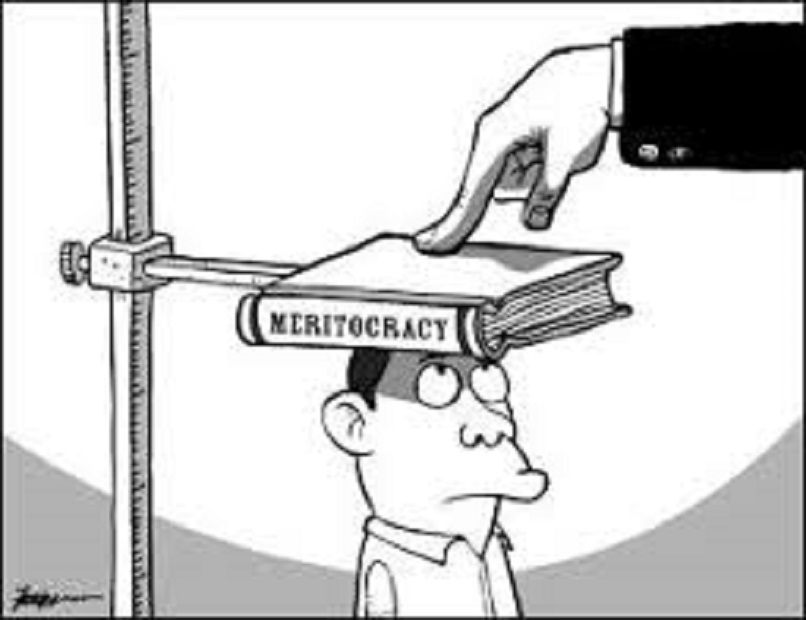
In Kashmir, the declaration of academic results has increasingly become more than a routine educational milestone. It has evolved into a social yardstick—one that often measures not just performance, but worth, intelligence, and future potential. This mindset, deeply entrenched in society, has had a distressing impact on the mental health and self-esteem of young people.
Every year, students give their best within the limits of their individual capacities. Yet the first and often the only question asked is: “How much did you score?” This narrow obsession with marks reflects a troubling social attitude. Ironically, such judgment frequently comes from individuals who are either educationally unexposed or have themselves experienced failure, stagnation, or unresolved setbacks in life. Instead of offering guidance or encouragement, they perpetuate a cycle of comparison and pressure.
It is time for Kashmiri society to evolve into a more civilized and empathetic collective—one that abandons the dogmatic practice of measuring intelligence solely through academic merit. Marks may reflect performance in an examination hall, but they do not define creativity, emotional intelligence, resilience, or real-world competence.
The Missing Culture of Counseling
One of the most glaring gaps in our social framework is the absence of structured counseling. Students are rarely guided about what suits their aptitude, temperament, or long-term aspirations. Career decisions are often imposed rather than discovered. As a result, many young people pursue academic paths that neither inspire them nor align with their abilities.
Professional counseling—both academic and psychological—must become a societal priority. Young minds need safe spaces where they can understand what is good for them, what paths are available, and how success can take multiple forms. Without this support, pressure silently transforms into anxiety, frustration, and in extreme cases, despair.
Choice Over Coercion
Equally important is the role of parents. Parental aspirations, though well-intentioned, often translate into undue pressure. The insistence on conventional careers and high scores leaves little room for exploration, creativity, or personal growth. Parents must recognize that their wards are individuals, not extensions of unrealized dreams.
Allowing students a meaningful choice in their education is not a sign of irresponsibility; it is a step toward maturity and self-confidence. When students study what they truly connect with, excellence follows naturally—sometimes in unexpected ways.
Merit Is Not the Only Door to Fortune
It is a tacit yet often ignored truth that merit alone does not guarantee success, nor does a lack of top scores signify failure. History and contemporary society are filled with examples of individuals who excelled through perseverance, innovation, skill, and emotional strength rather than academic distinction.
Popular culture has repeatedly highlighted this reality, most notably through the work of Aamir Khan. His films Taare Zameen Par, 3 Idiots, and Sitare Zameen Par deliver powerful messages that resonate deeply with our current social context. These narratives challenge the tyranny of marks, celebrate alternative talents, and advocate for compassion, understanding, and individuality.
A Call for Social Introspection
Kashmir stands at a critical juncture. If we continue to define intelligence through numbers alone, we risk alienating a generation rich in potential. The need of the hour is introspection—by families, educators, and society at large.
Success must be redefined. Intelligence must be broadened. And most importantly, our youth must be allowed to grow without fear of judgment. Only then can we nurture a generation that is not just academically capable, but emotionally strong, socially responsible, and genuinely fulfilled.