Iran Protest Crackdown: 646 Dead, Trump Threatens Tariffs and Military Options | Tehran Says Ready for War
By: Javid Amin | 12 January 2026
A Nation in Turmoil and Global Tensions Escalating
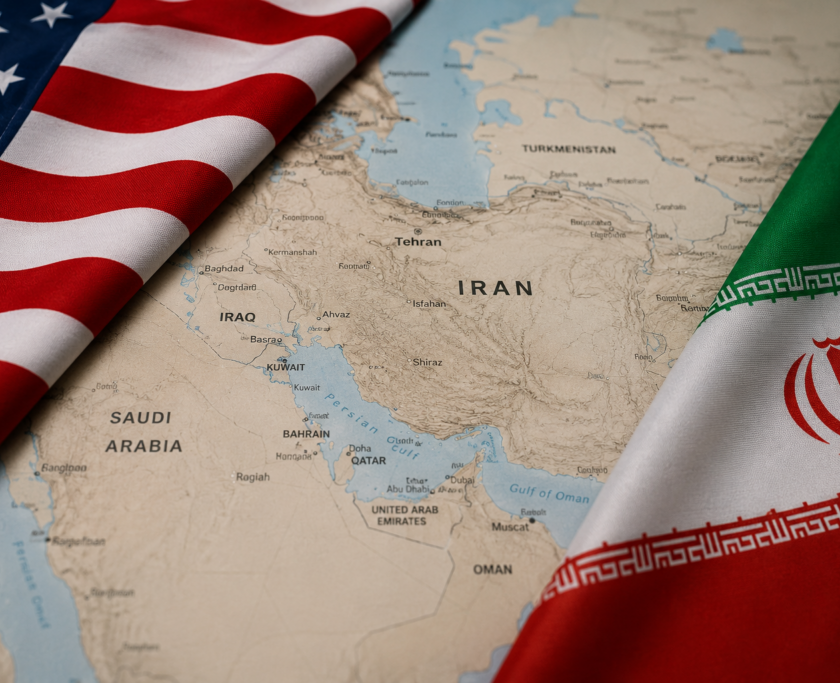
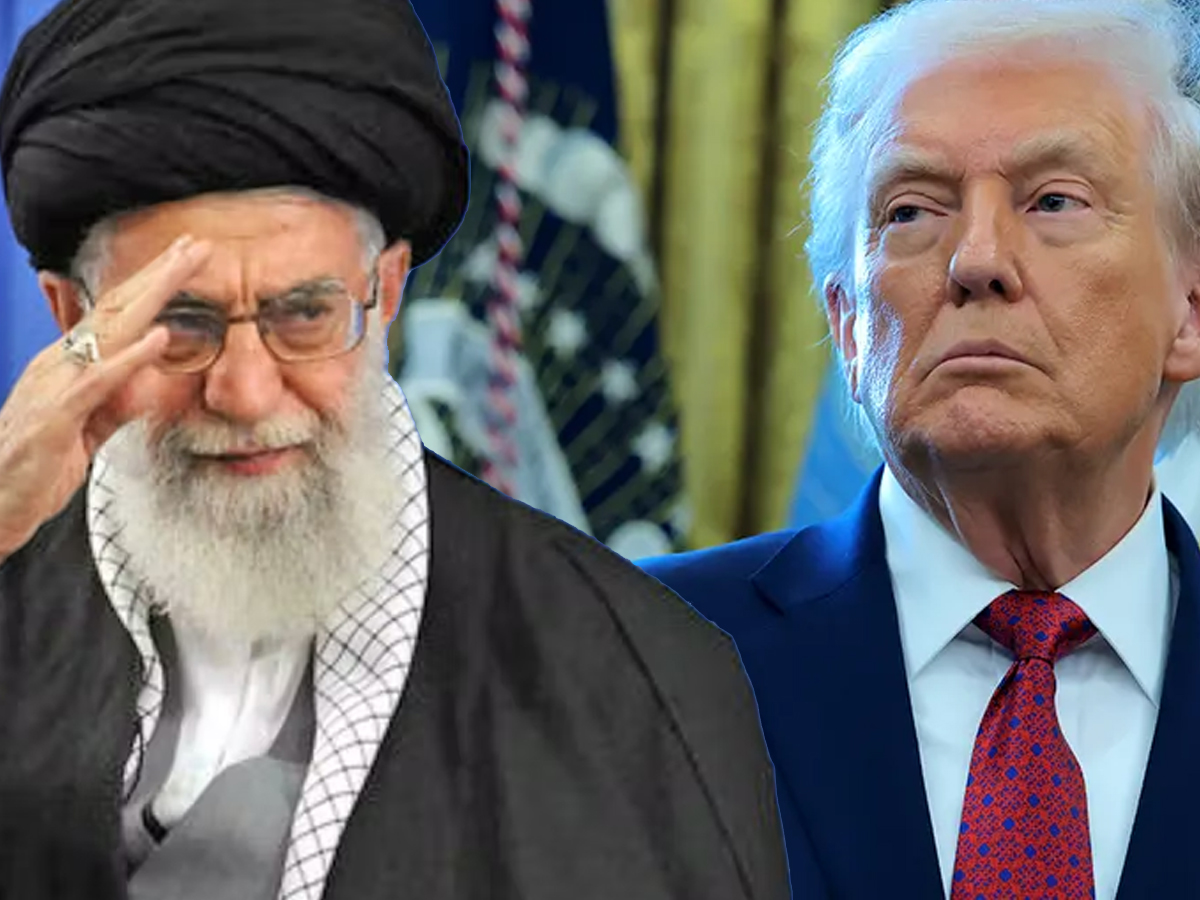
Iran is in the midst of one of its most significant crises since the 1979 Islamic Revolution, as widespread protests have swept across all 31 provinces, triggered initially by economic grievances but quickly transforming into broader discontent with the clerical system. Activists and rights groups report that at least 646 people have been killed amid the unrest and security forces’ violent crackdown, with thousands more arrested. The situation has intensified diplomatic tensions between Tehran and Washington, with U.S. President Donald Trump threatening military action and imposing punitive tariffs on countries that do business with Iran, while Iranian leaders assert they are “ready for war” yet willing to negotiate under certain conditions.
The world is now watching a volatile intersection of domestic protest movements, economic sanctions, global diplomacy, and the specter of renewed conflict.
The Human Cost: Death Toll and Crackdown
At the core of the crisis are the Iranian people’s grievances and the state’s response:
-
Iranian rights group HRANA has verified the deaths of 646 people in the protests, including 505 protesters, 113 security personnel, and seven bystanders, and is investigating hundreds more reported deaths amid ongoing unrest. The group also reports more than 10,721 arrests.
-
These figures represent the deadliest period of civil unrest in Iran in years, eclipsing earlier waves of demonstrations seen in previous years, though independent verification remains difficult due to state media restrictions and an ongoing internet blackout imposed by authorities.
-
The blackout—aimed at controlling the flow of information—has now lasted several days, severely limiting independent verification and obscuring the scale of the crackdown.
The protests began in late December 2025 amid a severe economic downturn, skyrocketing prices, and an unprecedented devaluation of the Iranian currency, the rial. While initially sparked by economic hardship, demonstrations quickly broadened into political demands and calls for systemic reform.
Trump’s Escalating Rhetoric: Tariffs, Military Options, and Pressure
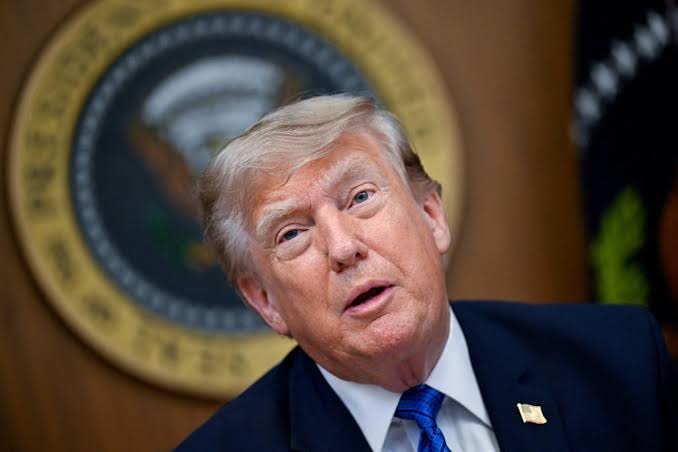
In a marked escalation of rhetoric, U.S. President Donald Trump publicly warned Iran’s leadership that “all options are on the table,” including possible military action, should Tehran’s crackdown on protesters continue.
25% Tariff on Countries Doing Business With Iran
In a dramatic step with far-reaching international implications, Trump announced a 25% tariff on imports from any nation conducting business with Iran. He described the order as “final and conclusive,” though he provided no detailed legal authority or timeline for enforcement.
The tariffs aim to expand economic pressure not only on Tehran but on third countries that maintain commercial ties with Iran. Major trade partners such as China, Turkey, Iraq, and India could be indirectly affected by this punitive economic measure.
Military and Other Responses Under Consideration
Trump’s advisors have reportedly briefed him on a range of possible responses, from military strikes to cyber operations and psychological measures designed to weaken Tehran’s grip. The White House insists diplomacy remains the preferred first step, even as Trump floats tougher options.
Trump also claimed Iran has indicated willingness to enter negotiations, though he stated that military action might be necessary before talks occur if the protest crackdown continues.
Tehran’s Position: ‘Ready for War’ Yet Open to Talks
Iran’s response to escalating U.S. pressure has been multifaceted:
‘Ready for War’
Iranian Foreign Minister Abbas Araghchi declared that the country is prepared for war if foreign powers were to interfere, underscoring Tehran’s military readiness compared with past confrontations. He framed this stance as a deterrent rather than aggression, emphasizing that Iran will not be tested militarily.
This rhetoric aligns with statements from hardline elements in Iran’s political leadership, including warnings that foreign forces—particularly U.S. and Israeli military assets—would be targeted if attacked.
Communication Channels Remain Open
Despite the sharp public confrontation, Iran has not entirely shut down diplomatic communication. Foreign Ministry spokesperson Esmaeil Baghaei confirmed that channels between Araghchi and U.S. Special Envoy Steve Witkoff remain open. Messages are exchanged “whenever necessary,” using intermediaries such as Switzerland, which represents U.S. interests in Tehran due to the absence of formal diplomatic relations.
Araghchi and Tehran have emphasized their willingness to negotiate but insisted talks must be based on “mutual respect” and not under threats or unilateral pressure, reflecting Iran’s long-held stance on negotiations.
Domestic Dynamics: Protests, Government Response, and Information Blockades
The protests in Iran are rooted in deepening economic hardship, with initial unrest triggered by the collapse of the value of the rial and rising costs of basic goods. Demonstrations that began among merchants and small business owners rapidly expanded into broader public dissent across cities throughout the country.
State Crackdown
Security forces have responded with force, leading to widespread arrests and alleged lethal violence against civilians. The internet shutdown, which has persisted for days, is widely perceived as an attempt to limit evidence of the crackdown and suppress organization among demonstrators.
State media and official demonstrations have sought to counter opposition narratives by organizing large pro-government rallies, branding the protests as driven by foreign enemies and “American-Zionist terrorism.”
Regional and International Implications
The escalating situation in Iran has broad geopolitical repercussions:
-
Middle East Stability: Renewed U.S.–Iran tensions could destabilize the broader Middle East, affecting energy markets, regional security architectures, and alliances, especially with rising rhetoric from Tehran about preparedness for military conflict.
-
Global Trade Disruption: Trump’s unprecedented tariff policy targeting nations that trade with Iran risks fracturing trade relations and could incentivize rival blocs to deepen economic ties with Tehran.
-
Human Rights and International Law: The death toll and the government’s violent response have drawn international scrutiny, with foreign governments and rights organizations calling for restraint and accountability.
Analysis: Between Diplomacy and Escalation
The crisis reflects a dangerous confluence of domestic unrest and international posturing:
1. The Limits of Rhetoric
Trump’s threats of military action and punitive tariffs ramp up pressure on Tehran, but experts note that direct U.S. military intervention in Iran—one of the world’s most heavily fortified and geopolitically significant states—carries immense risks of a broader regional conflict.
2. Tehran’s Calculated Defiance
Iran’s leadership has signaled a dual stance: positioning itself as reluctant for war while fortifying its defensive rhetoric and readiness. This calibrated messaging aims to preserve internal legitimacy and deter external intervention.
3. Communication Channels Are Strategic
Despite public antagonism, the maintained diplomatic communications underscore pragmatism on both sides. For Tehran, open messaging channels avoid accidental escalation; for Washington, they provide a backdoor to de-escalation if conditions permit.
Conclusion: A Crisis With No Easy Resolution
Iran’s current turmoil—marked by widespread protests, a heavy state crackdown, significant loss of life, and rising international tensions—is one of the most serious political challenges in decades. Against the backdrop of domestic unrest and human rights concerns, the interplay between Iran and the United States has shifted toward heightened confrontation, tempered by cautious diplomatic channels.
While both Tehran and Washington assert readiness for severe courses of action—whether war, economic pressure, or punitive tariffs—the world watches carefully. The potential for miscalculation in this fraught environment remains high, and the humanitarian cost of prolonged unrest continues to climb.
In a region already defined by complexity and historical enmity, the resolution of this crisis will depend on a delicate balance between pressure, negotiation, and international engagement—none of which is assured.