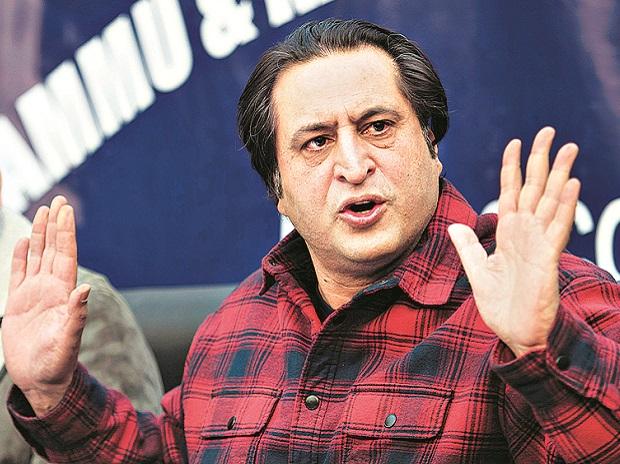
Sajad Lone Warns Reservation Changes Could Hurt Kashmiri-Speaking Communities, Calls Move “Threat to Rights”
By: Javid Amin | 01 December 2025
Peoples Conference chairman Sajad Gani Lone has issued a sharp warning over proposed changes to Jammu & Kashmir’s reservation framework, saying the reported overhaul could undermine decades-old protections for Kashmiri-speaking communities.
His remarks come at a politically sensitive moment, with the Omar Abdullah-led government reviewing reservation categories, including the critical Reserved Backward Area (RBA) quota.
Proposed Reservation Changes Trigger Alarm
Reports suggest that the government’s ongoing review may alter several reservation categories, including:
-
Reserved Backward Area (RBA)
-
Socially and Educationally Backward Classes (SEBC)
-
OBC reservations
-
District or divisional recruitment criteria
Lone said any dilution of RBA would “disproportionately harm rural, marginalized, and Kashmiri-speaking communities who rely on the category for upward mobility.”
He stressed that even previous BJP-led administrations “did not tamper with the RBA framework,” making current reports particularly worrying.
“Direct Threat to Kashmiri-Speaking Populations”
Lone argued that changes to the RBA would:
-
Reduce access to government jobs
-
Shrink opportunities for students from rural Kashmir
-
Intensify socio-economic gaps
-
Weaken institutional protections for Kashmiri identity
He framed the issue as existential, noting that the RBA category has historically been a lifeline for disadvantaged families in remote and conflict-affected regions.
Political Attack: “NC Back to Its Old Ways”
In a pointed criticism, Lone accused the National Conference of functioning as an “intermediary between Delhi and Srinagar,” suggesting that complaint from the ground is being ignored in favour of political maneuvering.
According to Lone:
-
NC is repeating its pre-2019 patterns
-
Public trust is at risk
-
Kashmiris feel decisions are being made without transparency
The indirect attack on Omar Abdullah reflects a growing turf war between the Peoples Conference (PC) and the National Conference (NC) — especially after recent bypoll outcomes and rising internal dissent within NC.
Demand for Transparency and Public Disclosure
Lone demanded:
-
Clear disclosure of what the reservation committee has recommended
-
Transparent criteria for quota changes
-
Inclusion of community stakeholders
-
Public justification for any alterations affecting marginalized groups
He warned the government that “silence will only breed suspicion.”
District-Level Recruitment: Lone’s Alternative Framework
The PC chairman reiterated his long-standing demand to reinstate:
-
District-level recruitment for non-gazetted posts
-
Divisional-level recruitment for gazetted positions
He argues this system ensures:
-
Fair representation
-
Balanced regional participation
-
Protection of local identities
-
Preventing demographic domination of one region over another
This is also a key electoral pitch for Lone, who increasingly presents himself as a defender of Kashmiri rights and administrative equity.
Context: Reservation Review Amid Pressure From OBC Groups
The timing of the controversy is critical:
-
OBC groups across J&K have demanded increased quotas
-
Jammu-based organizations seek parity with national OBC percentages
-
The government is caught between Kashmiri safeguarding concerns and Jammu-region demands
The Omar Abdullah administration’s review committee is expected to recommend:
-
Rationalization of backward categories
-
Possible alterations in RBA benefits
-
Redistribution of quotas between Kashmir and Jammu divisions
This is where Lone’s warning becomes politically potent.
What’s at Stake for the Kashmiri-Speaking Population?
1. Loss of Socio-Economic Protection
RBA has historically acted as a buffer for communities affected by conflict, geography, and limited access to urban opportunities.
2. Risk of Marginalization Under New Blind-to-Identity Formulas
Uniform reservation criteria may disproportionately benefit:
-
Urban areas
-
Jammu districts with stronger representation
-
Powerful OBC lobbies
while diluting protections for rural Kashmiris.
3. Weakening of Cultural and Linguistic Identity
Lone argues that removing or weakening RBA also chips away at Kashmiri linguistic representation in jobs and institutions.
4. Political Realignment
Communities who rely on reservation protections may shift loyalties if they feel threatened.
Political Implications: A Three-Way Contest Shapes Up
1. Lone vs NC: Straight Ideological Battle
Lone positions himself as the guardian of Kashmiri rights.
NC positions itself as the statewide, constitutional force.
Conflict is inevitable.
2. BJP’s Silent Advantage
Any intra-Kashmir division helps the BJP’s consolidation in Jammu.
3. OBC Mobilization in Jammu
Growing OBC demands may tilt the reservation review toward Jammu-centric adjustments, adding another layer of tension.
Governance Test for Omar Abdullah Administration
The government must:
-
Balance Jammu and Kashmir’s competing demands
-
Avoid appearing partisan or regionally biased
-
Maintain transparency
-
Preserve marginalized communities’ protections
Its handling of the review will significantly affect:
-
Governance credibility
-
Kashmir’s political mood
-
NC’s public trust
-
Upcoming electoral narratives
Conclusion
Sajad Lone’s warning is not just a political soundbite — it echoes deeper anxieties among Kashmiris about losing long-standing institutional protections that shape their educational and economic future.
The RBA debate is set to become one of the most consequential issues of the current administration, influencing alliances, public sentiment, and regional balances across Jammu & Kashmir.
As the reservation review nears completion, the government’s next moves will determine whether this becomes a routine policy correction or a flashpoint that redefines Kashmir’s political discourse.