Zojila Tunnel Breakthrough Expected May 2026: Kashmir–Ladakh All-Weather Connectivity Boost
By: Javid Amin | 12 April 2026
A Tunnel Through Time and Terrain: Kashmir’s Gateway to Ladakh Nears Reality
High in the rugged Himalayas, where snow walls rise like fortresses and roads disappear for months, a quiet engineering revolution is nearing a historic milestone.
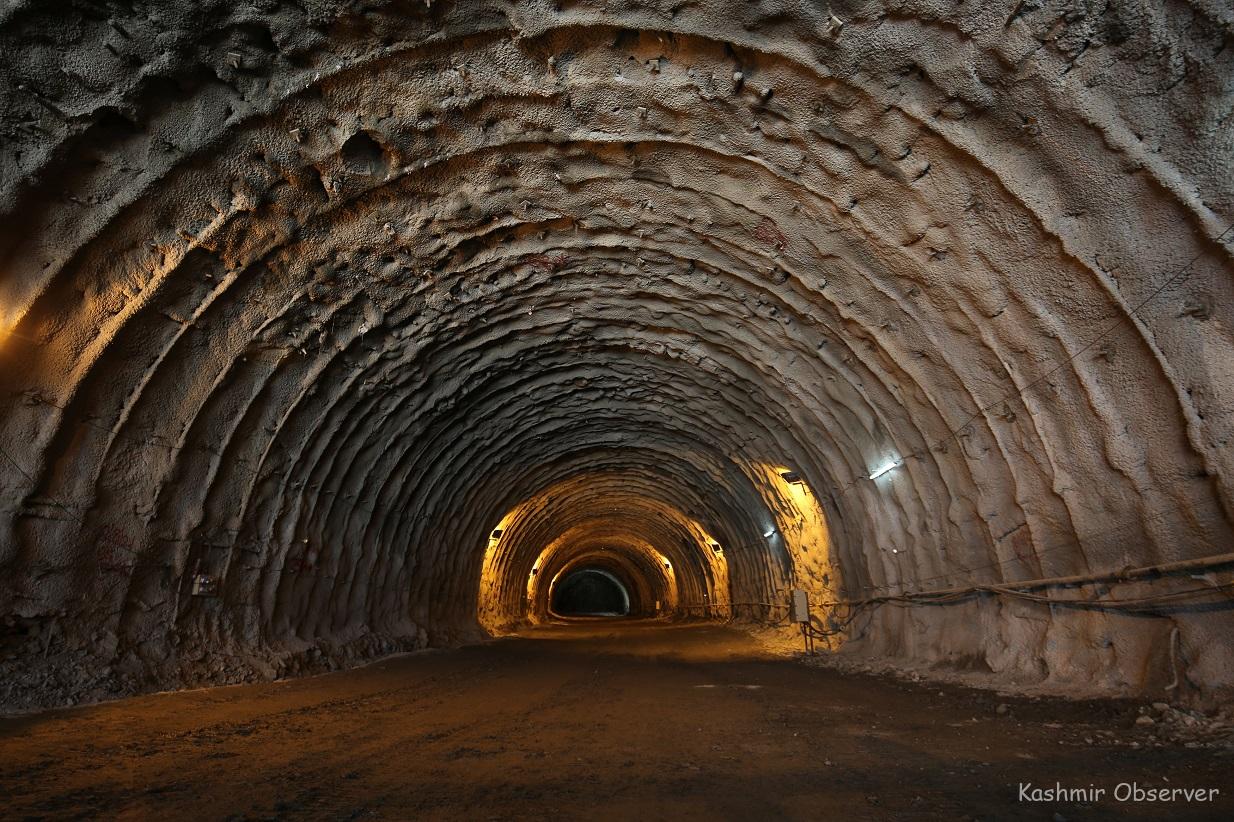
The Zojila Tunnel, one of India’s most ambitious infrastructure projects, is now on the verge of a breakthrough. With just around 325 meters of excavation remaining, engineers expect to complete the tunneling phase by May 2026—a moment that could permanently reshape connectivity between Kashmir and Ladakh.
For decades, the Zojila Pass has dictated the rhythm of life in the region—open in summer, shut in winter. Now, that seasonal isolation is set to end.
Engineering Marvel in the Himalayas
Project Snapshot
- Length: ~12 kilometers
- Altitude: ~11,500 feet
- Route: Sonamarg to Drass
- Developer: Megha Engineering & Infrastructure Limited
- Completion Target: Late 2026
Once completed, the Zojila Tunnel will be India’s longest bi-directional highway tunnel, cutting through one of the most hostile terrains on Earth.
What Makes It Unique
Unlike conventional mountain roads that snake along exposed cliffs, this tunnel will provide:
- A safe, enclosed route immune to avalanches
- Reduced travel time between Srinagar and Leh
- Reliable connectivity regardless of weather
It is not just a tunnel—it is a year-round corridor through the Himalayas.
From Seasonal Isolation to 365-Day Connectivity
The Problem with Zojila Pass
The existing route via the Zojila Pass is notorious:
- Closed for 5–6 months annually due to heavy snowfall
- Prone to avalanches and landslides
- Dangerous even during open months
For residents of Ladakh, this means:
- Limited access to essential goods
- Restricted mobility
- Economic slowdowns during winter
What the Tunnel Changes
The Zojila Tunnel will:
- Ensure uninterrupted connectivity between Srinagar and Leh
- Cut travel time significantly
- Eliminate weather-related road closures
This is not just infrastructure—it is integration.
Strategic Importance: Beyond Civilian Mobility
Military Logistics
The tunnel holds immense strategic value for India:
- Faster troop deployment to border areas
- Reliable supply lines even in winter
- Reduced vulnerability to weather disruptions
In a region where terrain often dictates strategy, this project offers a decisive logistical advantage.
Geopolitical Context
Given Ladakh’s proximity to sensitive borders, improved connectivity strengthens:
- National security preparedness
- Emergency response capabilities
- Infrastructure parity in border regions
Economic Ripple Effects Across Kashmir & Ladakh
Tourism: A Year-Round Boom
Tourism in Ladakh has traditionally been seasonal. With the tunnel:
- Winter tourism could see a surge
- Destinations like Drass—known as one of the coldest inhabited places—may attract niche travelers
- Hotels, homestays, and transport services will benefit
Trade & Commerce
Currently, transporting goods between Kashmir and Ladakh is:
- Time-consuming
- Weather-dependent
- Expensive
The tunnel will:
- Reduce transport costs
- Ensure faster delivery of perishables
- Strengthen regional trade networks
Local Economy
During construction, the project has already:
- Generated employment
- Boosted local businesses
Post-completion, it is expected to:
- Expand logistics networks
- Encourage new investments
- Improve livelihoods
Challenges Behind the Breakthrough
Extreme Weather Conditions
Working at 11,500 feet is no ordinary task:
- Sub-zero temperatures
- Heavy snowfall
- Limited working windows
These conditions have repeatedly slowed progress.
Complex Himalayan Geology
The Himalayas are young, unstable mountains:
- Frequent rockfalls
- Unpredictable soil behavior
- High seismic sensitivity
Engineers had to constantly adapt tunneling techniques to navigate these risks.
Delays and Course Corrections
Originally slated for earlier completion, the project faced:
- Timeline extensions
- Technical hurdles
- Pandemic-related slowdowns
However, Megha Engineering & Infrastructure Limited has accelerated work in recent months, bringing the project close to its breakthrough phase.
Sector-Wise Impact Analysis
| Sector | Expected Impact |
|---|---|
| Tourism | Year-round travel to Leh, Drass, Kargil; increased footfall |
| Trade | Faster, cheaper transport of goods |
| Security | Enhanced military mobility and readiness |
| Local Economy | Job creation, business expansion |
| Transport | Reduced travel time, improved safety |
Socio-Environmental Considerations
While the tunnel promises growth, it also raises important questions.
Environmental Concerns
- Increased tourist influx may strain fragile ecosystems
- Construction activity impacts local biodiversity
- Waste management and sustainability become critical
Balancing Development and Ecology
Experts stress:
- Sustainable tourism policies
- Strict environmental regulations
- Community participation in planning
The challenge is clear: growth must not come at the cost of ecological balance.
What Happens Next?
Immediate Milestone
- Final 325 meters of excavation
- Breakthrough expected by May 2026
Post-Breakthrough Work
- Ventilation systems
- Road surfacing
- Lighting and safety infrastructure
- Emergency response systems
Final Launch
- Full operational readiness targeted by end of 2026
Key Takeaways
- Zojila Tunnel is nearing a historic breakthrough
- Will provide year-round connectivity between Kashmir and Ladakh
- Major boost to tourism, trade, and security
- Overcomes decades of seasonal isolation caused by Zojila Pass
- Raises important environmental and sustainability considerations
Conclusion: A New Chapter for the Himalayas
The nearing completion of the Zojila Tunnel marks more than an engineering achievement—it signals a transformational shift in how Kashmir and Ladakh connect, trade, and grow.
For residents, it promises reliability.
For businesses, opportunity.
For the nation, strategic strength.
But perhaps most importantly, it represents a future where geography no longer dictates destiny.
As the final meters of rock are carved away, the tunnel is not just connecting two regions—it is bridging isolation with opportunity, and challenge with progress.