Kashmir’s Vanishing Waters: Inside the Silent Crisis of Disappearing Lakes, Wetlands & Water Bodies in Jammu & Kashmir
By: Javid Amin | 06 April 2026
A Paradise Slowly Losing Its Lifeline
For centuries, Jammu & Kashmir has been celebrated as a land of shimmering lakes, flowing streams, and fertile valleys. The region’s identity—its culture, economy, and ecology—has always been deeply intertwined with water. From the iconic Dal Lake to the vast expanse of Wular Lake, these water bodies are not just scenic attractions but lifelines sustaining millions.
However, recent findings paint a deeply concerning picture.
A comprehensive survey has revealed that out of 9,209 identified water bodies across Jammu & Kashmir, not a single one has ever been repaired or restored. Even more alarming—nearly 23% of these water bodies have already disappeared.
This is not just an environmental issue. It is a multi-dimensional crisis affecting agriculture, tourism, biodiversity, and the very survival of local communities.
The Data Speaks: A Systemic Collapse of Water Systems
Key Survey Findings
- Total water bodies identified: 9,209
- Water bodies repaired/restored: 0
- Water bodies lost: ~23% (over 2,100)
- Remaining functional: ~77% (~7,000)
These numbers indicate not a gradual decline—but a systemic failure in water management and conservation.
Historical Perspective: The Disappearance of Lakes
- Total lakes in 1967: 697
- Lakes lost since 1967: 315 (~45%)
- Remaining lakes today: ~382
The loss of nearly half the lakes over six decades highlights a long-term ecological degradation that has gone largely unaddressed.
Ground Reality: What’s Happening on the Ground?
Field observations, environmental studies, and consistent reporting from the region align with these findings:
1. Shrinking Lakes
Water bodies like Manasbal Lake and Anchar Lake have seen significant reduction in size and depth due to siltation and encroachment.
2. Wetlands Turning into Land
Many wetlands have either:
- Been converted into agricultural land
- Encroached for urban housing
- Or simply dried up due to neglect
3. Pollution Crisis
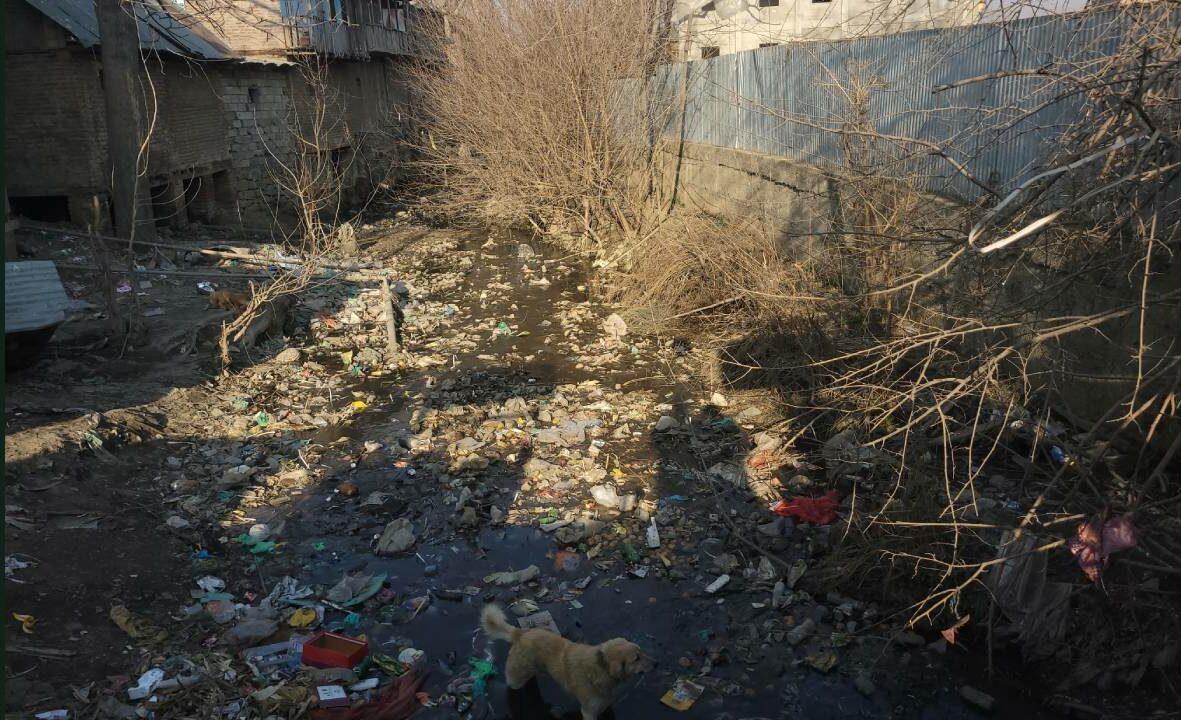
Untreated sewage, plastic waste, and agricultural runoff are turning once-pristine lakes into polluted, oxygen-depleted water bodies.
4. Lack of Restoration Work
Despite decades of warnings, there has been:
- Minimal dredging
- Limited desiltation
- No large-scale restoration programs
Why Are Kashmir’s Water Bodies Disappearing?
1. Urban Expansion and Encroachment
The rapid expansion of cities like Srinagar has led to:
- Construction on lake peripheries
- Illegal encroachments into wetlands
- Shrinking of natural catchment areas
Encroachment doesn’t just reduce water area—it disrupts natural hydrological cycles.
2. Siltation and Sedimentation
Deforestation and soil erosion in upstream areas lead to:
- Excess sediment flowing into lakes
- Gradual filling up of water bodies
- Reduced depth and storage capacity
Over time, lakes turn into marshlands—and eventually dry land.
3. Climate Change and Weather Extremes
Climate variability is intensifying the crisis:
- Erratic rainfall patterns reduce consistent water replenishment
- Rising temperatures accelerate evaporation
- Changing snowmelt cycles disrupt seasonal water flow
This creates a dangerous imbalance—flooding during monsoon and drought during summer.
4. Pollution and Waste Dumping
Major sources include:
- Household sewage
- Industrial discharge
- Fertilizer runoff
These pollutants lead to:
- Eutrophication (excess nutrients causing algal blooms)
- Oxygen depletion
- Death of aquatic life
5. Policy Gaps and Administrative Neglect
Perhaps the most critical issue:
- Lack of regular monitoring systems
- Absence of restoration funding frameworks
- Weak enforcement against encroachments
The fact that 0% of water bodies have been repaired is a clear indicator of institutional failure.
Impact on Agriculture: A Growing Threat to Food Security
Agriculture in Kashmir heavily depends on natural water bodies.
1. Apple Orchards Under Stress
Kashmir’s apple industry—one of India’s largest—relies on:
- Groundwater recharge from lakes
- Natural irrigation systems
With water bodies shrinking:
- Soil moisture declines
- Irrigation costs rise
- Crop yields become unpredictable
2. Paddy Cultivation at Risk
Rice fields require consistent water supply. Declining water bodies lead to:
- Reduced irrigation
- Lower productivity
- Increased farmer distress
3. Rising Dependency on Artificial Irrigation
Farmers are increasingly forced to:
- Use borewells
- Invest in pumps
This leads to:
- Groundwater depletion
- Increased input costs
Tourism at Risk: The Fading Beauty of Kashmir
Tourism is a major economic pillar of Jammu & Kashmir.
Iconic Lakes Under Threat
- Dal Lake
- Wular Lake
- Manasbal Lake
These lakes face:
- Reduced water levels
- Pollution
- Loss of scenic beauty
Economic Consequences
- Decline in tourist footfall
- Loss of income for houseboat owners
- Reduced earnings for local artisans
Cultural Impact
Water bodies are integral to Kashmir’s cultural identity. Their decline affects:
- Traditional lifestyles
- Local festivals
- Heritage value
Ecological Consequences: A Fragile Ecosystem in Danger
1. Loss of Biodiversity
Wetlands support:
- Migratory birds
- Fish species
- Aquatic plants
As water bodies vanish:
- Habitats disappear
- Species face extinction
2. Disruption of Ecosystem Services
Water bodies act as:
- Natural water filters
- Flood regulators
- Climate stabilizers
Their loss leads to:
- Increased flooding
- Poor water quality
- Microclimate changes
3. Decline in Migratory Bird Populations
Kashmir is a key stopover for migratory birds. Shrinking wetlands mean:
- Reduced nesting areas
- Decline in bird populations
Community Impact: Livelihoods on the Brink
1. Fishing Communities
Fisherfolk depend on lakes for income. Decline leads to:
- Reduced catch
- Economic hardship
2. Boatmen and Houseboat Owners
Tourism decline directly impacts:
- Boat operators
- Hospitality workers
3. Handicrafts and Local Economy
Reduced tourism affects:
- Shawl makers
- Handicraft sellers
The Climate Connection: A Dangerous Feedback Loop
The crisis is not isolated—it is part of a broader climate challenge.
How It Works:
- Climate change reduces water availability
- Reduced water bodies worsen local climate
- This further accelerates drying
This creates a self-reinforcing cycle of ecological degradation.
Why This Crisis Matters Now More Than Ever
1. Water Security at Stake
With shrinking water sources, future water availability is uncertain.
2. Increased Disaster Risks
- Flooding during heavy rains
- Droughts during dry seasons
3. Irreversible Ecological Damage
Once wetlands disappear, restoration becomes extremely difficult.
Solutions: What Needs to Be Done Urgently
1. Large-Scale Restoration Projects
- Desiltation of lakes
- Removal of encroachments
- Rejuvenation of wetlands
2. Policy Reforms
- Strict anti-encroachment laws
- Dedicated water body conservation funds
3. Community Participation
Local communities must be involved in:
- Monitoring
- Conservation efforts
4. Sustainable Urban Planning
- Protect natural catchments
- Limit construction near water bodies
5. Climate-Resilient Strategies
- Rainwater harvesting
- Watershed management
Case for Immediate Action: Learning from the Past
The loss of 315 lakes since 1967 is not just a statistic—it is a warning.
Without urgent intervention:
- Remaining lakes may follow the same path
- The ecological balance of Kashmir could collapse
Conclusion: A Race Against Time
Kashmir’s water crisis is no longer a distant environmental issue—it is a present-day emergency.
The disappearance of nearly a quarter of water bodies, combined with decades of neglect, signals a critical tipping point.
Saving Kashmir’s lakes and wetlands is not just about preserving beauty—it is about:
- Securing water
- Protecting livelihoods
- Sustaining biodiversity
The question is no longer whether action is needed—but how quickly it can be taken.
Bottom Line
- 23% of water bodies in J&K have vanished
- 315 lakes lost since 1967 (~45%)
- 0% restoration efforts recorded
Urgent restoration, policy reform, and community-driven conservation are essential to prevent irreversible ecological collapse in Kashmir.