Tourism Is Quietly Dying in Kashmir — And Nobody’s Talking About It
By: Javid Amin | 07 April 2026
How a Distant War in West Asia Has Shaken India’s Fragile Travel Economy Overnight
Tourism Is Dying. Kashmir Feels It First.
There is a silence settling over Kashmir’s valleys this spring — not the peaceful silence of snowfall or dawn prayers, but something heavier. The kind that comes when bookings vanish, flights thin out, and houseboats remain empty at sunset.
This isn’t a seasonal dip.
This is a shockwave.
And it didn’t start in Kashmir.
It began thousands of kilometers away — in a geopolitical flashpoint in West Asia — and within days, it rippled across India’s tourism ecosystem, hitting one of its most sensitive and seasonal regions the hardest.
What was shaping up to be a record-breaking year for tourism has now turned into a story of cancellations, uncertainty, and quiet panic.
Also Read | Experience Blossom Season in Ladakh – A Hidden Alternative to Japan’s Cherry Blossoms
A Season That Started With Hope
January and February: A Strong Beginning
At the start of 2026, optimism filled the air across Kashmir’s tourism belt.
- Snow-covered landscapes drew winter travelers
- Gulmarg’s ski slopes saw steady footfall
- Houseboats in Dal Lake reported near-full occupancy
- Travel agencies noted a strong rebound in foreign inquiries
After years of disruptions — pandemic aftershocks, economic fluctuations, and intermittent instability — the industry was finally regaining momentum.
Hoteliers were reporting 75–80% occupancy rates, a healthy benchmark signaling recovery.
February strengthened that narrative. Bookings for spring and early summer — especially April and May — surged. Tour operators began preparing for what many expected to be the busiest season in years.
March: The Peak That Never Came
March is typically when Kashmir tourism hits its stride:
- Spring blossoms begin to bloom
- Domestic travelers plan vacations
- International tourists return in visible numbers
This year, everything was aligned for a record peak.
Until it wasn’t.
The Collapse: How It Happened in Days
The West Asia Conflict Trigger
The sudden escalation in West Asia didn’t just dominate headlines — it reshaped travel behavior globally.
Within days:
- Airlines began reducing international and connecting flight frequencies
- Aviation fuel prices surged due to rising crude oil costs
- Insurance risks increased for international travel routes
- Travel advisories tightened across several countries
For India, heavily reliant on both domestic and inbound tourism, the ripple effect was immediate.
The Numbers Tell a Brutal Story
What happened next was swift and unforgiving:
- Foreign tourist arrivals dropped by nearly 50%
- Hotel occupancy fell from ~80% to nearly 50%
- April bookings saw mass cancellations
- Advance summer reservations stalled completely
This wasn’t a gradual decline — it was an abrupt halt.
Tour operators describe it as “watching the season disappear in real time.”
Also Read | Kashmir Spring 2026 Sale: Tulip Festival, Honeymoon & Family Packages from ₹30,000 | JKL Travels
Ground Reality: Voices From Kashmir
Hotels: Half Full, Fully Worried
In Srinagar and surrounding areas, hotel owners are recalculating everything.
Many had:
- Increased staff in anticipation of peak season
- Stocked inventory for high tourist demand
- Invested in upgrades and maintenance
Now, they face:
- Half-empty rooms
- Reduced cash flow
- Rising operational costs
A hotel that expected 80% occupancy now struggles to maintain even 50%.
That margin is the difference between profit and loss.
Houseboats and Shikaras: Waiting Without Hope
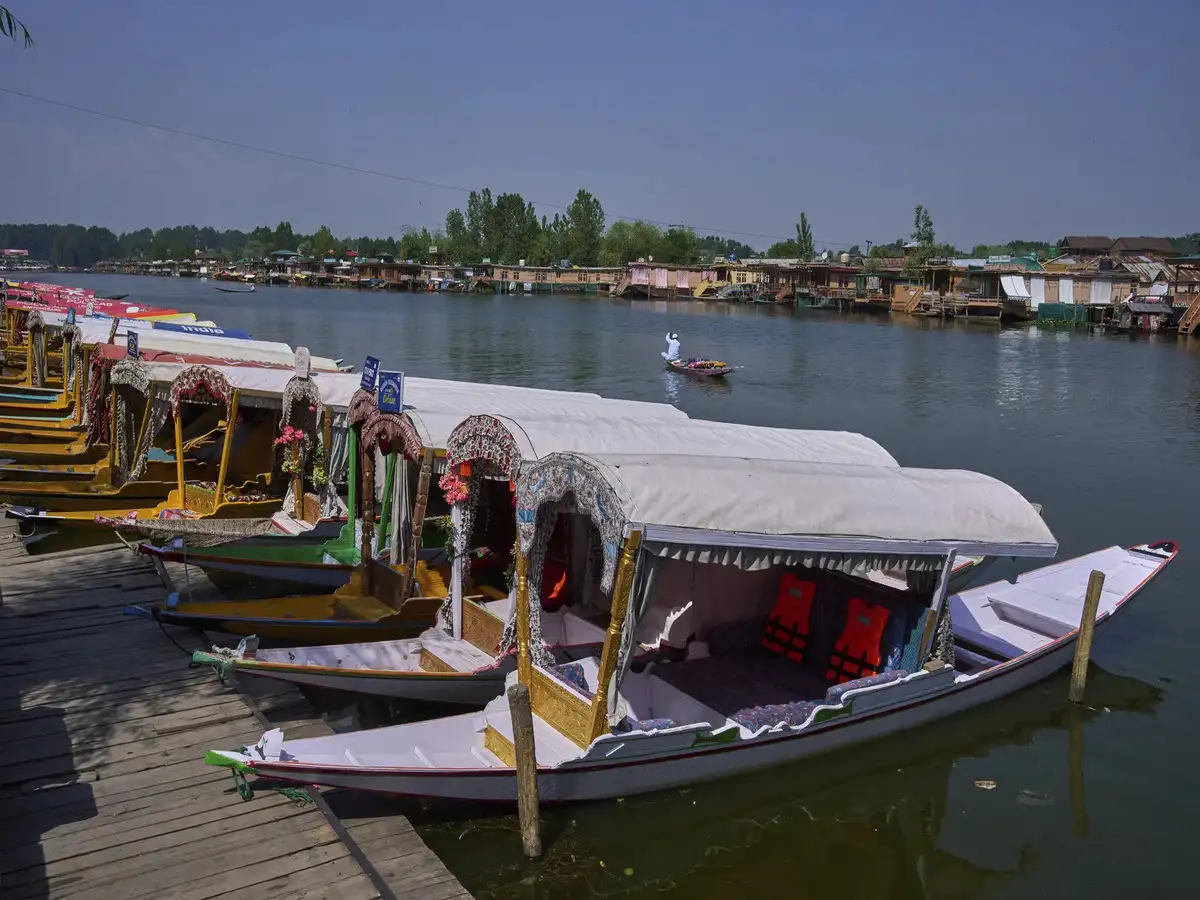
The iconic houseboats of Dal Lake — often fully booked months in advance — now sit idle.
Shikara operators, who depend on daily tourist rides, report:
- Fewer visitors
- Shorter trips
- Bargaining pressure on already thin margins
For many, tourism isn’t just income — it’s survival.
Local Vendors and Small Businesses: The Silent Impact
Beyond hotels and tour operators, the impact cascades down:
- Handicraft sellers
- Taxi drivers
- Street food vendors
- Local guides
A weaker tourist flow means fewer sales, fewer rides, fewer livelihoods.
Tourism supports a vast informal economy — and that economy is now under strain.
Why This Crisis Hit So Hard
1. Flight Disruptions Changed Everything
Reduced flight frequency means:
- Limited seat availability
- Higher ticket prices
- Longer travel times
For tourists, especially international ones, this becomes a deal-breaker.
2. Travel Costs Have Skyrocketed
Rising oil prices triggered:
- Increased airfare
- Higher local transportation costs
- Expensive hotel operations
Travel, once planned months ahead, suddenly became unaffordable.
3. Fuel and Gas Shortages Impact Hospitality
Hotels and restaurants in Kashmir rely heavily on consistent fuel supply.
Shortages have led to:
- Limited menus
- Reduced heating services
- Higher operational strain
This affects not just cost — but the overall tourist experience.
4. Economic Uncertainty Is Freezing Demand
The stock market volatility triggered by global instability has had a psychological effect:
- Domestic travelers are postponing vacations
- Families are prioritizing savings
- Luxury travel demand is shrinking
Tourism is one of the first sectors to feel this hesitation.
5. Fear and Perception Are Driving Decisions
Even though the conflict is geographically distant, perception matters more than proximity.
Travelers associate:
- Global conflict with risk
- Uncertainty with inconvenience
- Instability with poor travel experience
As a result, bookings drop — not because travel is impossible, but because it feels uncertain.
The Summer Season at Risk
May-June: The Critical Window
For Kashmir, summer isn’t just another season — it’s the backbone of the tourism economy.
- Families travel during school vacations
- Domestic tourism peaks
- International visitors increase
This year, however, projections are grim.
If current trends continue:
- Bookings will remain weak
- Prices may fluctuate unpredictably
- Businesses may struggle to sustain operations
Industry Warning: A 15–20 Day Window
Tourism experts suggest that:
If stability returns within 15–20 days, the damage could be contained.
But that’s a fragile assumption.
Global conflicts rarely follow predictable timelines.
A Fragile Industry Exposed
Tourism’s Hidden Vulnerability
This crisis has revealed a deeper truth:
Tourism is highly sensitive — not just to local conditions, but global ones.
A conflict in one region can:
- Disrupt aviation networks
- Affect fuel prices globally
- Shift traveler sentiment worldwide
Kashmir, despite its natural beauty, remains deeply connected to these external forces.
Overdependence on Seasonal Peaks
Another structural issue:
- Heavy reliance on short peak seasons
- Limited diversification in tourism offerings
- High dependency on external travelers
When a peak season fails, the entire year suffers.
Also Read | Hotels Near Dal Lake Srinagar & Luxury Resorts in Gulmarg
The Human Cost Behind the Numbers
Livelihoods at Stake
Tourism in Kashmir supports:
- Thousands of families directly
- Lakhs indirectly through supply chains
A weak season doesn’t just mean lower profits — it means:
- Reduced household income
- Job losses
- Economic insecurity
Emotional Toll on Local Communities
There is also a psychological dimension:
- Uncertainty about the future
- Anxiety over financial stability
- Loss of hope after a promising start
For many, this isn’t just a bad season — it’s a setback after years of recovery efforts.
Can the Industry Recover?
Short-Term Possibilities
If conditions stabilize:
- Last-minute bookings could improve
- Domestic travel may partially recover
- Pricing adjustments could attract budget travelers
But recovery will not be immediate.
Long-Term Challenges
Even after stability returns:
- High travel costs may persist
- Consumer confidence may take time to rebuild
- International tourism may remain slow
The industry may need months — if not longer — to fully recover.
Also Read | Adventure Tourism in Ladakh: Trekking, Biking & High-Altitude Journeys
What Needs to Change
1. Diversifying Tourism Models
- Promote off-season travel
- Develop niche tourism (eco, cultural, wellness)
- Reduce dependence on peak months
2. Strengthening Domestic Tourism
India’s domestic market is massive — but sensitive to economic signals.
Incentives, affordability, and trust-building will be key.
3. Crisis-Ready Infrastructure
Tourism systems must be prepared for:
- Sudden demand shocks
- Supply chain disruptions
- Global uncertainties
4. Strategic Communication
Clear messaging can help counter fear-driven cancellations.
Travel confidence depends heavily on perception.
The Bigger Picture: A Global Lesson
This isn’t just Kashmir’s story.
It’s a reminder of how interconnected the world has become.
A geopolitical conflict far away can:
- Disrupt travel plans
- Affect local economies
- Change livelihoods overnight
Tourism, often seen as a soft industry, is deeply tied to hard global realities.
Also Read | Best Honeymoon Packages in Kashmir 2026: Romance Crafted for a New Generation of Couples
Conclusion: A Season Hanging by a Thread
Kashmir’s valleys are still as beautiful as ever.
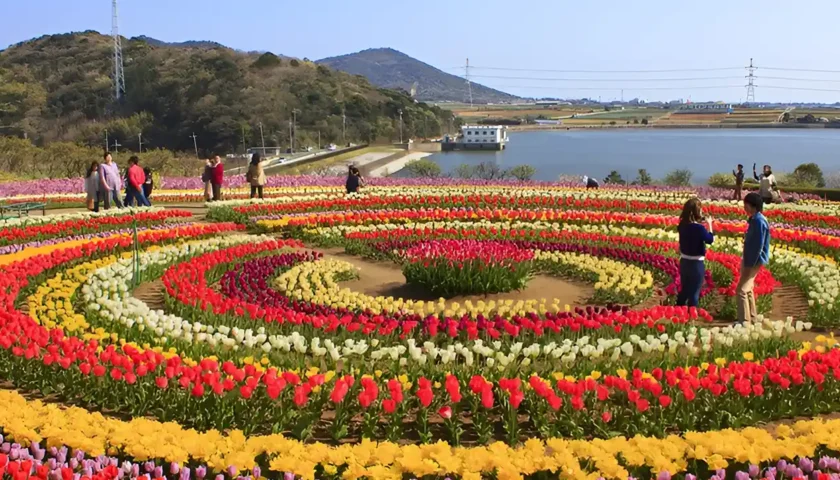
The tulips will bloom.
The lakes will shimmer.
The mountains will stand unchanged.
But beauty alone cannot sustain an industry.
Right now, Kashmir’s tourism sector stands at a crossroads — caught between hope and uncertainty, recovery and decline.
The next few weeks will decide whether this is a temporary disruption…
or the beginning of a much deeper crisis.
Because sometimes, the biggest impacts don’t come from what happens nearby —
but from what happens far away.