A Paradise Under Pressure
By: Javid Amin | 01 April 2026
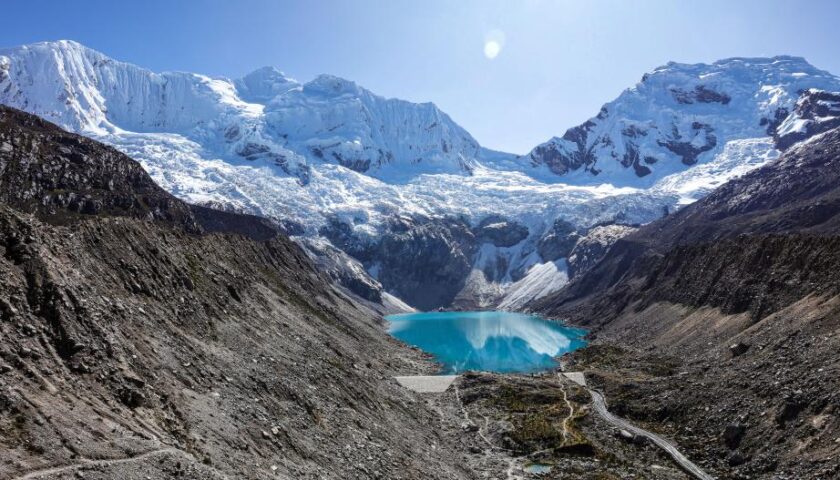
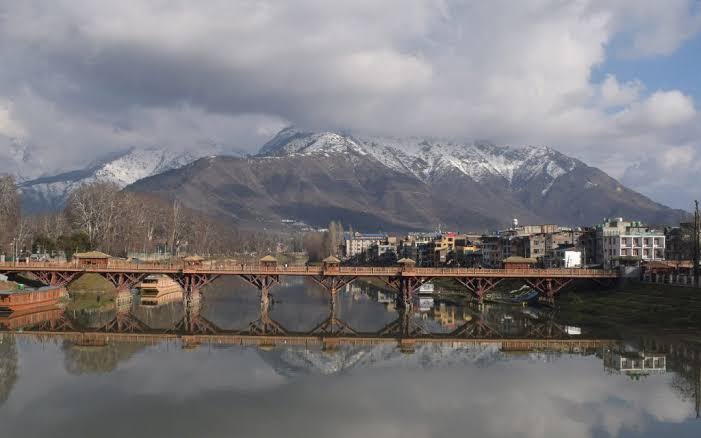
Kashmir’s postcard-perfect landscapes—lush meadows, snow-clad peaks, and pristine rivers—have long defined its global identity. But beneath this beauty, a quiet crisis is unfolding.
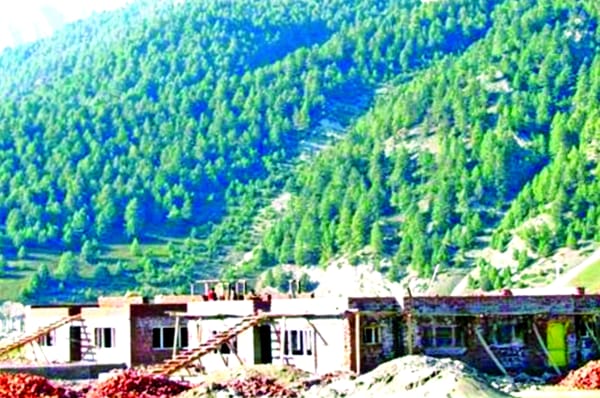
Recent official data and ground-level assessments reveal that over 200 illegal constructions have been flagged across key tourist destinations in Jammu & Kashmir. From hotels to guesthouses and unauthorized huts, these structures are rapidly altering the fragile ecological balance of the Valley.
This is not just an urban planning issue—it is a high-stakes conflict between economic growth and environmental survival.
Ground Reality: Where Violations Are Concentrated
The violations are not scattered—they are concentrated in high-value tourism zones, where land demand and commercial incentives are highest.
Key Hotspots
- Gulmarg
- Pahalgam
- Sonamarg
- Doodhpathri, Patnitop, Bhaderwah, Verinag
Verified Ground Data:
- Gulmarg: 21 illegal structures (20 sealed, 1 demolished)
- Pahalgam: 28 unauthorized constructions (13 sealed so far)
- Sonamarg: At least 5 violations identified
- Doodhpathri: 147 illegal constructions, one of the worst-hit zones
- Patnitop: 15 structures demolished
Across regions, enforcement includes sealing, demolition, FIRs, and penalties.
Why It Matters: Tourism Is Kashmir’s Economic Backbone
Tourism is not a peripheral sector—it is central to the region’s survival.
- Contributes 7–15% of Jammu & Kashmir’s GDP
- Supports livelihoods for thousands of families
- Drives sectors like transport, handicrafts, and hospitality
Destinations like Gulmarg and Pahalgam are not just scenic spots—they are economic engines.
Environmental Impact: Fragile Ecosystems at Risk
1. Encroachment on Ecologically Sensitive Zones
Many illegal constructions are:
- Built on forest land
- Encroaching on meadows and wetlands
- Violating zoning and environmental norms
In places like Gulmarg—situated in the Pir Panjal range—ecosystems are particularly delicate.
2. Water Stress & Waste Mismanagement
Unregulated growth leads to:
- Over-extraction of groundwater
- Poor sewage systems
- Contamination of rivers like Lidder in Pahalgam
3. Increased Disaster Vulnerability
Construction on unstable slopes can:
- Trigger landslides
- Increase avalanche risks
- Destabilize mountain terrain
4. Loss of Natural Aesthetics
Unplanned structures disrupt:
- Scenic landscapes
- Tourist experience
- Heritage value of destinations
On-Ground Drivers: Why Illegal Construction Is Rising
1. Tourism Boom = Land Pressure
Post-2020 tourism revival has led to:
- Surge in hotel demand
- Spike in land prices
- Rapid, often illegal, construction
2. Regulatory Gaps
Despite rules:
- Weak enforcement in remote areas
- Delays in approvals
- Loopholes in land-use policies
3. Local Economic Compulsions
For many locals:
- Tourism is the primary income source
- Building rooms or homestays is seen as survival
4. Institutional Overlap
Multiple authorities (tourism boards, local bodies, forest departments) create:
- Jurisdictional confusion
- Enforcement delays
Government Response: Crackdown Underway
Authorities have initiated a multi-pronged approach:
Enforcement Actions:
- Sealing illegal structures
- Demolitions in sensitive zones
- FIRs and legal notices
Tech-Based Monitoring:
- GIS mapping of tourist zones
- Mandatory geo-tagging of properties
- Digital inventories for compliance tracking
Policy Oversight:
- Audits by vigilance agencies
- Reviews by tourism authorities
- Legislative scrutiny through assembly queries
Public Sentiment: Between Livelihood and Sustainability
Local Perspective:
- Tourism-driven construction = income
- Fear of losing livelihood if strict crackdowns continue
Environmental Voices:
- Warning of irreversible ecological damage
- Demand for strict zoning and carrying capacity limits
The Core Dilemma: Development vs Preservation
Kashmir faces a classic policy dilemma:
| Development Needs | Environmental Risks |
|---|---|
| More hotels, homestays | Ecosystem degradation |
| Increased tourist inflow | Infrastructure overload |
| Economic growth | Loss of natural beauty |
Strategic Outlook: What Needs to Change
Short-Term
- Immediate halt on new illegal constructions
- Fast-track demolition of high-risk structures
Medium-Term
- Clear zoning laws for tourist areas
- Digital approval systems to reduce corruption
Long-Term
- Sustainable tourism model
- Carrying capacity limits for destinations
- Eco-friendly infrastructure incentives
Expert Insight: A Warning Sign for Kashmir’s Future
This issue is not isolated—it signals a broader trend:
“Unregulated tourism growth, if unchecked, can destroy the very ecosystem it depends on.”
Global examples—from Himalayan towns to European alpine resorts—show that over-tourism without regulation leads to long-term decline.
Key Takeaways
- 🏗️ Over 200 illegal structures flagged across Kashmir tourist zones
- 🌄 Major hotspots: Gulmarg, Pahalgam, Sonamarg
- ⚠️ Environmental risks include ecosystem damage, water stress, and disaster vulnerability
- 🏛️ Government has begun crackdowns, including sealing and demolitions
- 🧭 Sustainable tourism is now a necessity, not an option
Final Word
Kashmir’s beauty is its biggest asset—but also its most fragile one.
The surge in illegal constructions reflects ambition, opportunity, and economic need. But without regulation, it risks turning paradise into a cautionary tale.
The challenge ahead is clear:
👉 Can Kashmir grow without destroying what makes it unique?
The answer will define not just the future of tourism—but the ecological destiny of the region itself.