FFRC vs Private Schools in Kashmir: Who Really Controls Education?
By: Javid Amin | 02 April 2026
A Ground-Level Editorial on Regulation, Resistance, and the Reality Parents Face
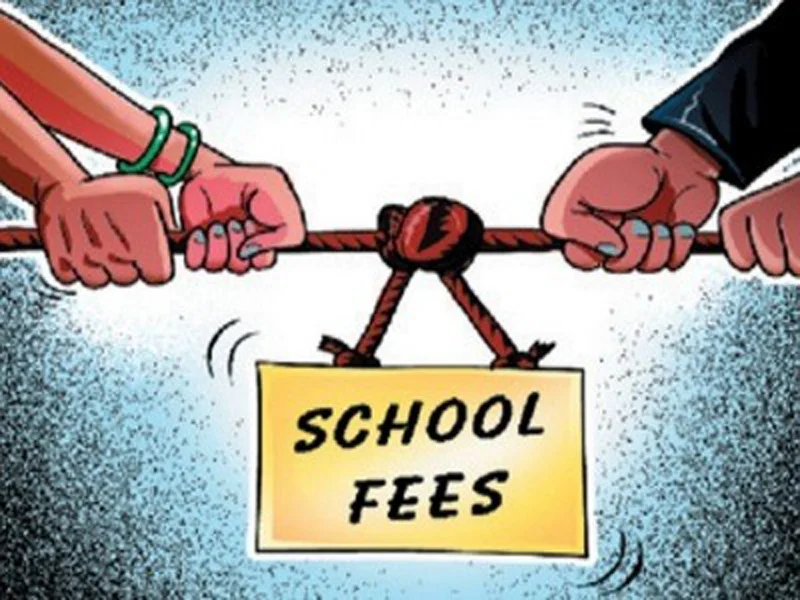
Regulation Exists—Control Is Contested
The recent crackdown by the Fee Fixation and Regulation Committee (FFRC), issuing notices to over 660 private schools and freezing fee hikes till March 2026, marks one of the most assertive interventions in Kashmir’s education sector in recent years.
But beneath the surface lies a more complex truth:
Regulation exists on paper—but control over education remains deeply contested.
For parents in Srinagar and beyond, the question is no longer about rules—it is about whether those rules actually work in practice.
The Core Conflict: Policy vs Market Reality
At its core, the issue reflects a structural tension:
| Stakeholder | Objective |
|---|---|
| Government / FFRC | Standardization, affordability, transparency |
| Private Schools | Financial sustainability, expansion, profit margins |
| Parents | Quality education at reasonable cost |
Over time, private education in Kashmir has evolved into a high-demand service economy, where:
- Quality institutions are limited
- Demand consistently exceeds supply
- Parents often feel they have no viable alternative
This imbalance tilts real power toward institutions—even in a regulated framework.
Schools Today: Compliance, Adaptation, or Defiance?
Ground reporting suggests that private schools broadly fall into three operational categories:
1. Fully Compliant (Minority)
These institutions:
- Adhere strictly to FFRC-approved fee structures
- Maintain transparent fee breakdowns
- Avoid additional or hidden charges
While they set the benchmark, they represent a small fraction of the ecosystem.
2. Strategically Compliant (Majority)
This is where the system becomes nuanced—and problematic.
Schools in this category:
- Officially comply with fee freeze orders
- Avoid direct tuition fee hikes
- Introduce indirect charges, such as:
- Development fees
- Activity funds
- Annual maintenance charges
- Transport fee adjustments
Technically compliant. Practically evasive.
This “grey zone” has become the dominant operating model.
3. Non-Compliant (Under Scrutiny)
A smaller but significant segment:
- Delays fee submissions
- Ignores FFRC directives
- Tests enforcement boundaries
These cases are often the focus of official notices—but not always of visible consequences.
Parents: Legally Protected, Practically Pressured
On paper, FFRC orders empower parents. In reality, enforcement depends on willingness to challenge schools—and that’s where friction emerges.
Why Parents Hesitate
1. Fear of Repercussions
- Concern that complaints may affect their child’s treatment
- Anxiety over subtle discrimination
2. Lack of Awareness
- Limited understanding of complaint procedures
- Uncertainty about legal backing
3. Fragmented Response
- Parents act individually rather than collectively
- Weak bargaining power
The Paradox
Parents have rights—but hesitate to exercise them.
This gap between legal protection and social behavior allows violations to persist.
The Real Issue: Enforcement Deficit
The Fee Fixation and Regulation Committee has taken a visible first step.
But in regulatory systems, credibility is built on enforcement—not announcements.
What Enforcement Should Look Like
For real impact, stakeholders expect:
- Public disclosure of violating schools
- Financial penalties imposed and recovered
- Derecognition or affiliation withdrawal in extreme cases
Without visible consequences, compliance becomes optional.
Systemic Impact: What Lies Ahead?
Short-Term Effects
- Visible relief due to fee freeze
- Reduced overt fee hikes
- Continued hidden charges
Long-Term Risks
1. Trust Erosion
Repeated violations weaken confidence in regulatory bodies.
2. Commercialization of Education
Education risks becoming:
- A profit-first sector
- Increasingly inaccessible to middle-class families
3. Policy–Practice Gap
A widening disconnect between:
- What policies promise
- What families experience
Ground Insight: Why Regulation Alone Isn’t Enough
Kashmir’s education system reflects a broader structural issue:
- High demand + limited quality supply = pricing power for schools
Until:
- Public education improves
- More quality institutions emerge
👉 Private schools will continue to dominate—and shape the rules informally.
Practical Guide: How Parents Can Enforce Their Rights
Real change depends on informed and collective action.
Step 1: Audit the Fee Structure
- Compare current and previous fee components
- Identify new or unexplained charges
Step 2: Demand Written Clarification
Ask clearly:
“Is this charge approved by the FFRC? Provide written proof.”
Verbal assurances have no legal standing.
Step 3: Document Everything
Maintain records of:
- Fee receipts
- Circulars
- Messages (WhatsApp/email)
Documentation transforms complaints into actionable cases.
Step 4: File a Formal Complaint
Submit to:
Fee Fixation and Regulation Committee
Old Assembly Complex, Srinagar
Include:
- School details
- Nature of violation
- Supporting documents
Step 5: Act Collectively
- Form parent groups
- Submit joint complaints
- Engage media if required
Collective pressure drives enforcement.
What Parents Should Avoid
- Paying unofficial charges without questioning
- Relying on verbal commitments
- Delaying complaints
Editorial Verdict: Not a Failed Policy—But an Incomplete Reform
The FFRC intervention is significant—but incomplete.
- Rules exist
- Violations are identified
- Enforcement remains inconsistent
Ground Truth
This is not just about schools—it is about enforcement culture in Kashmir.
- Orders exist
- Violations persist
- Outcomes depend on pressure—from both authorities and citizens
Final Word
The Fee Fixation and Regulation Committee has drawn a line.
Now comes the real test:
Who dares to cross it?
And more importantly—who ensures they don’t?
Because in education, more than infrastructure or curriculum, credibility is everything.