Unseasonal Heatwave in Jammu & Kashmir: Temperatures Rise Above Normal, Dry Weather to Continue
By: Javid Amin | 05 March 2026
Meteorological Department Warns of Sharp Temperature Rise Across Kashmir Valley and Jammu Region
Unseasonal Heat Grips Jammu & Kashmir as Temperatures Surge Above Normal
Just days after meteorologists warned about persistent dry winters in Jammu & Kashmir, the region is now facing another unusual weather pattern: an early March heat spell.
Weather experts say the Union Territory will experience significantly higher-than-normal temperatures over the next 48 hours, with both daytime and nighttime temperatures rising sharply. The Meteorological Department has forecast clear skies and dry conditions across most parts of the region from March 5 to March 7, 2026, intensifying the unusual warmth.
For residents used to cool early March mornings and mild afternoons, the sudden shift in temperature is being widely felt across cities, towns, and rural areas.
In many parts of the Valley, the warmth already resembles late spring rather than early March — an indication of the changing weather patterns in the Himalayan region.
Weather Forecast: What the Meteorological Department Says
According to the latest weather bulletin, the region will remain under mainly dry and clear conditions, allowing temperatures to rise steadily.
Key Forecast Highlights
-
Duration: March 5 – March 7, 2026
-
Weather Conditions: Clear skies and dry atmosphere
-
Day Temperatures: Expected to rise several degrees above seasonal normal
-
Night Temperatures: Gradual warming trend across both Jammu and Kashmir regions
-
Rain or Snow: No significant precipitation expected in the coming week
Meteorologists attribute this heat spell primarily to the ongoing dry weather pattern across the region, which has prevented cloud formation and moisture buildup.
Without snowfall or rainfall to cool the atmosphere, solar radiation heats the surface more efficiently, pushing temperatures higher during daytime.
Rising Temperatures in the Kashmir Valley
The heat spell is especially noticeable in the Kashmir Valley, where early March typically remains cool and pleasant.
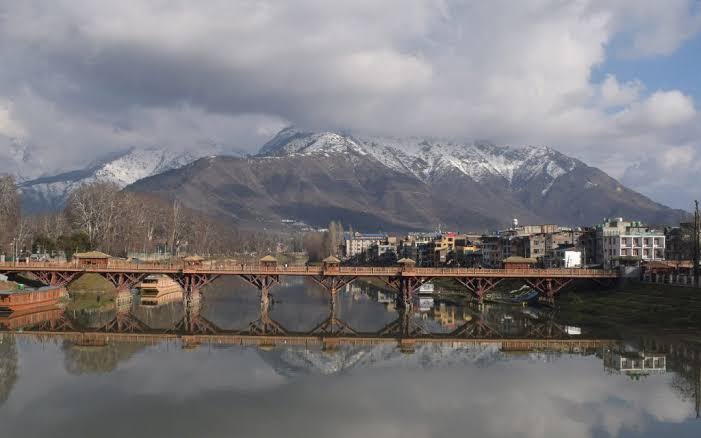
Srinagar Experiencing Unusual Warmth
Residents of Srinagar have begun noticing warmer afternoons and milder nights.
Early March in Srinagar usually features:
-
Chilly mornings
-
Pleasant daytime temperatures
-
Occasional snowfall in higher reaches
However, under the current weather pattern, daytime temperatures are expected to rise several degrees above the seasonal average, creating a spring-like atmosphere much earlier than expected.
Even the iconic Dal Lake area may feel warmer than usual, particularly during the afternoon hours when sunlight reflects strongly off the water surface.
For locals who rely on cold weather for seasonal routines — including agriculture and tourism — the shift is noticeable.
Jammu Region Faces Intensified Heat
While the Kashmir Valley is experiencing unusual warmth, the situation may feel even more intense in the Jammu division.
The city of Jammu typically records higher temperatures than the Valley during this time of year. The current heat spell will push temperatures even further upward.
During peak afternoon hours:
-
Outdoor activities may feel uncomfortable
-
Sun exposure may become intense
-
Surface temperatures on roads and open areas may rise quickly
Clear skies combined with dry air create conditions where the ground heats rapidly during daylight hours.
Even though temperatures may not yet reach summer extremes, the sudden early-season heat is enough to disrupt the normal seasonal transition.
Why Is This Heat Spell Happening?
Meteorologists identify the ongoing dry weather pattern as the primary cause of the temperature spike.
Lack of Western Disturbances
Winter and early spring weather in Jammu & Kashmir is largely influenced by Western Disturbances, atmospheric systems that bring moisture from the Mediterranean region.
In recent weeks:
-
Western disturbances have remained weak or absent.
-
Cloud cover has been minimal.
-
Moisture levels in the atmosphere have remained low.
Without these systems, clear skies dominate, allowing sunlight to heat the land more effectively.
This pattern has also contributed to the rainfall deficit recorded during the winter season, further intensifying dry conditions.
Agricultural Concerns: Early Heat Could Stress Crops
Agriculture remains one of the sectors most vulnerable to unexpected temperature shifts.
In many districts across Jammu & Kashmir, rabi crops such as:
-
Wheat
-
Mustard
-
Barley
are currently in critical growth stages.
Early heat can create several challenges:
Faster Soil Moisture Loss
Warm temperatures increase evaporation, causing soil to dry more quickly. Farmers may need to increase irrigation frequency to maintain adequate moisture levels.
Crop Stress
Certain crops require cool temperatures during early growth phases. Sudden warmth may lead to:
-
Reduced grain development
-
Early flowering
-
Lower overall yield
Agricultural experts emphasize that consistent weather patterns are crucial for crop stability, and sudden heat spells disrupt that balance.
Health Concerns: Dehydration and Heat Stress
Although the temperatures are not extreme enough to qualify as a heatwave in strict meteorological terms, the early arrival of warm conditions can still affect public health.
Doctors and health officials highlight several concerns:
Dehydration
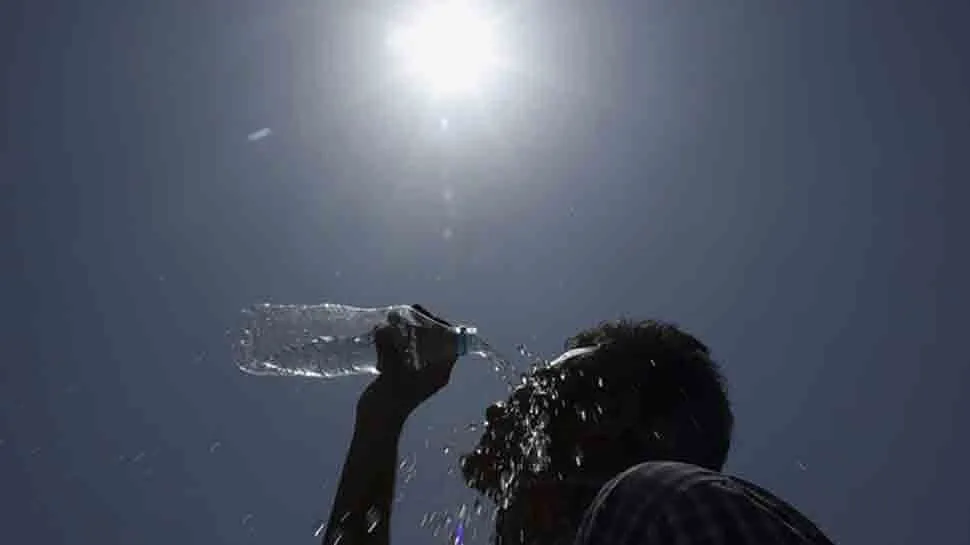
Higher daytime temperatures increase the body’s fluid requirements. People spending extended time outdoors may experience dehydration if water intake is insufficient.
Heat Fatigue
Workers involved in outdoor activities — construction, agriculture, transportation — may feel fatigue and discomfort during peak sunlight hours.
Vulnerable Groups
Certain groups are more susceptible to temperature fluctuations, including:
-
Elderly individuals
-
Children
-
People with chronic illnesses
Preventive measures are therefore strongly advised.
Tourism Sector: Mixed Impact for Visitors
Tourism in Jammu & Kashmir often depends heavily on seasonal weather expectations.
Visitors arriving in the Valley in early March usually hope to experience:
-
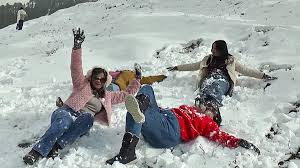
Snow-covered landscapes
-
Skiing and winter activities
-
Cool mountain weather
However, the current heat spell may alter those expectations.
Effects on Winter Tourism
Destinations such as:
-
Gulmarg
-
Pahalgam
traditionally rely on snowfall to sustain winter tourism activities.
Reduced snow cover combined with warmer weather could shorten the winter sports season.
However, not all impacts are negative.
Pleasant Evenings
Despite warm afternoons, evenings remain relatively comfortable, allowing tourists to enjoy outdoor walks, sightseeing, and local cultural experiences.
Still, tourism operators say weather unpredictability is becoming increasingly common.
Climate Change and Himalayan Weather Variability
The unusual heat spell adds to growing concerns about climate variability in the Himalayan region.
Over the past decade, researchers have observed several trends:
-
Warmer winters
-
Shorter snow seasons
-
Erratic precipitation patterns
-
Rising spring temperatures
These shifts affect fragile mountain ecosystems and communities dependent on seasonal weather cycles.
Climate scientists warn that Himalayan warming is occurring faster than the global average, making regions like Jammu & Kashmir particularly vulnerable.
When Will the Weather Change?
According to the Meteorological Department:
-
The current dry and warm weather pattern is expected to continue through March 7.
-
No major rainfall or snowfall is expected in the coming week.
Meteorologists are monitoring the possibility of a Western Disturbance later in March, which could potentially bring precipitation to the region.
However, its strength and timing remain uncertain.
Until then, clear skies and warmer-than-usual conditions are likely to persist.
Precautionary Measures for Residents
Authorities and health experts recommend simple precautions to manage the early heat spell.
Stay Hydrated
Drink water regularly throughout the day, especially when outdoors.
Avoid Peak Sun Hours
Limit direct exposure to sunlight between 12 PM and 3 PM, when temperatures peak.
Wear Light Clothing
Breathable fabrics such as cotton can help regulate body temperature.
Follow Weather Updates
Residents should stay updated with official advisories issued by the Meteorological Department.
A Region Experiencing Rapid Climate Shifts
From seven consecutive dry winters to unseasonal early heat, the weather story of Jammu & Kashmir is rapidly changing.
The emerging pattern highlights a broader environmental challenge: the Himalayan climate is becoming increasingly unpredictable.
For farmers, tourism operators, policymakers, and residents alike, adapting to these shifts will become a crucial part of the region’s future.
For now, as the Valley prepares for warmer days and mild nights, one thing is clear: the traditional rhythm of seasons in Jammu & Kashmir is gradually evolving.